





Understanding Drainage Holes in Seed Trays: Size and Placement
2025-12-24 17:07:32
Why Drainage Matters in Seed Trays
Seed trays are a foundational tool in modern horticulture and nursery operations. Whether used for vegetables, flowers, or forestry seedlings, seed trays must provide the right balance of moisture, aeration, and structural support. Among all design features, drainage holes play a critical role in determining seedling health and growth consistency.
Poor drainage can lead to waterlogging, root rot, and uneven germination, while overly aggressive drainage may cause excessive moisture loss. For large-scale growers and commercial users, seed trays produced through controlled manufacturing and standardized production processes help ensure consistent drainage performance across bulk supply batches.
This guide explains how drainage hole size and placement influence seed tray performance and how to choose designs that support reliable seedling development.
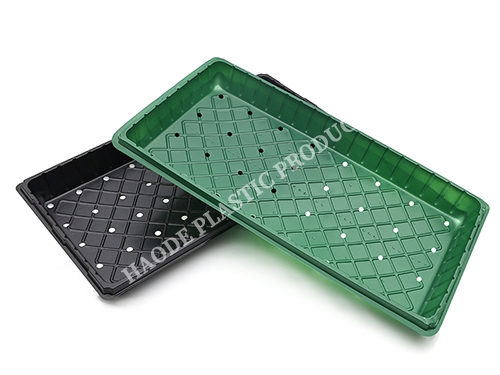
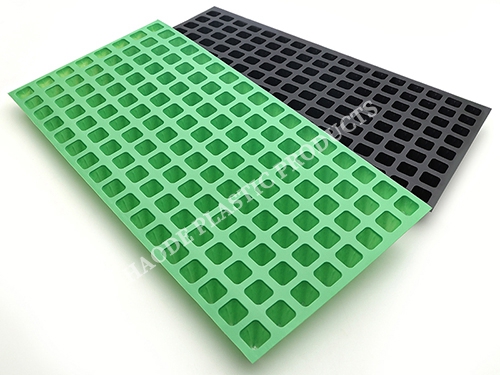
The Function of Drainage Holes in Seed Trays
Drainage holes serve two primary purposes in seed trays:
1.Removing excess water after irrigation
2.Allowing air exchange within the root zone
Healthy roots require oxygen as much as water. Proper drainage prevents saturated growing media and supports aerobic root respiration. In well-designed seed trays, drainage holes work together with the tray geometry and substrate to maintain optimal moisture levels.
Drainage Hole Size: Finding the Right Balance
Small Drainage Holes
Smaller holes help retain moisture for longer periods, which can be beneficial for fine seeds or arid environments. However, holes that are too small may clog easily with growing media or organic debris, reducing effectiveness over time.
Large Drainage Holes
Larger holes allow faster water discharge and improved aeration. They are often used in seed trays designed for high-frequency irrigation systems. The downside is reduced water retention, which may require more frequent watering.
Optimized Hole Diameter
Most commercial seed trays use carefully calculated hole sizes that balance drainage speed and moisture retention. Manufacturer-led production testing often determines these dimensions to ensure consistency across high-volume output.
Drainage Hole Placement and Tray Performance
Central vs. Peripheral Placement
Drainage holes placed centrally in each cell promote uniform water flow, while edge-focused holes may lead to uneven moisture distribution. Uniform placement is especially important in multi-cell seed trays used for automated transplanting.
Single vs. Multiple Holes
Some seed trays feature a single drainage hole per cell, while others use multiple smaller holes. Multiple-hole designs improve redundancy, reducing the risk of blockage and improving airflow.
Bottom Geometry and Elevation
The effectiveness of drainage holes is also influenced by tray bottom design. Slightly raised or tapered bases allow water to exit freely without pooling, improving overall drainage efficiency.
How Drainage Design Affects Seedling Health
Improper drainage in seed trays can cause several common problems:
·Root suffocation due to excess moisture
·Increased risk of fungal diseases
·Uneven seedling growth across trays
·Reduced transplant success
Well-designed drainage holes help maintain consistent moisture levels, leading to stronger root systems and higher survival rates after transplanting.
Material Considerations and Drainage Efficiency
The material used in seed trays also affects drainage performance. Rigid trays maintain hole shape over repeated use, while softer materials may deform under load. In professional production environments, trays manufactured under strict quality control are designed to maintain drainage integrity even during repeated irrigation cycles and bulk handling.
Why Consistent Production Matters
For commercial nurseries, consistency is critical. Seed trays produced by an experienced manufacturer with stable production capacity ensure that drainage hole size and placement remain uniform across large orders. This consistency supports predictable irrigation, easier process control, and reliable seedling quality.
Standardized production also allows bulk supply without performance variation, which is essential for large-scale growing operations.
Choosing the Right Seed Trays for Your Application
When selecting seed trays, consider:
·Crop type and root structure
·Irrigation method (manual, drip, flood)
·Growing medium particle size
·Environmental conditions
·Tray durability and reuse cycle
Proper drainage hole design should align with all these factors to support healthy, efficient seedling production.
Conclusion: Optimizing Seed Trays Through Smart Drainage Design
Drainage hole size and placement are fundamental to the performance of seed trays. Thoughtful design improves water control, root health, and overall seedling quality. For growers and distributors alike, choosing trays developed through controlled manufacturing and scalable production systems ensures reliable results across every batch.
As seedling cultivation continues to evolve, optimized drainage design will remain a key factor in producing strong, uniform plants ready for successful transplantation.
References
GB/T 7714:Handreck K A, Black N D. Growing media for ornamental plants and turf[M]. UNSW press, 2002.
MLA:Handreck, Kevin A., and Neil D. Black. Growing media for ornamental plants and turf. UNSW press, 2002.
APA:Handreck, K. A., & Black, N. D. (2002). Growing media for ornamental plants and turf. UNSW press.

The CNC Seed Braiding Machine is a high-precision, fully automated agricultural equipment s...
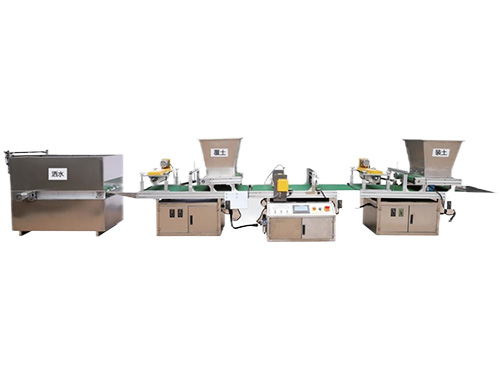
It adopts electrical integration and can be started by pressing the fully automatic button ...
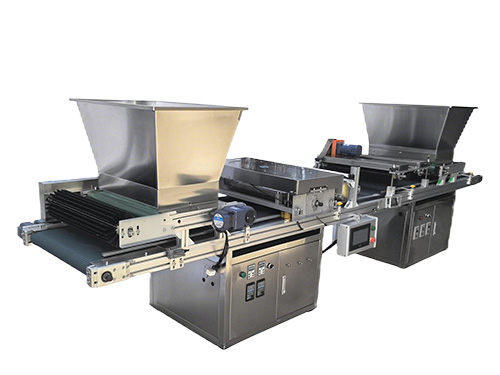
The XP750 seeder has stable performance, excellent product quality, simple and convenient o...
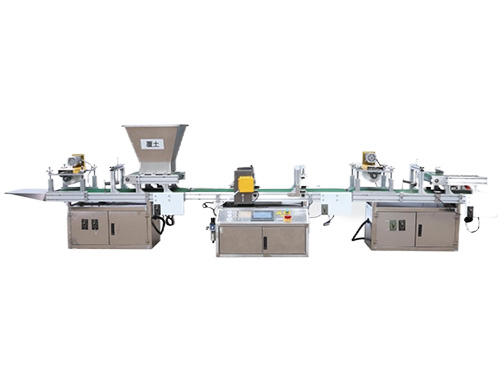
It adopts electrical integration and can be started by pressing the fully automatic button ...