





How to Choose the Right Tray Material: Plastic, Metal, or Biodegradable
2025-12-23 16:31:38
Why Tray Material Selection Matters
Choosing the right trays is a critical decision across industries such as agriculture, logistics, food processing, and manufacturing. Tray material directly affects durability, hygiene, transport efficiency, and long-term operating costs.
Modern trays are no longer simple containers. They are designed to integrate with automated handling systems, withstand repeated use, and meet environmental expectations. From lightweight plastic to heavy-duty metal and eco-friendly biodegradable options, each material serves different operational needs.
For large-scale applications, working with a professional manufacturer supported by stable production systems ensures material consistency and reliable bulk supply. This guide helps beginners understand how to evaluate tray materials and make informed choices based on real-world performance.
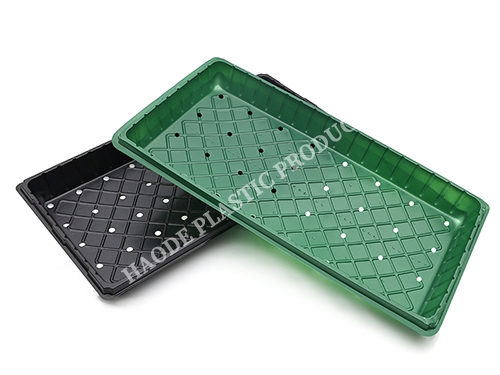
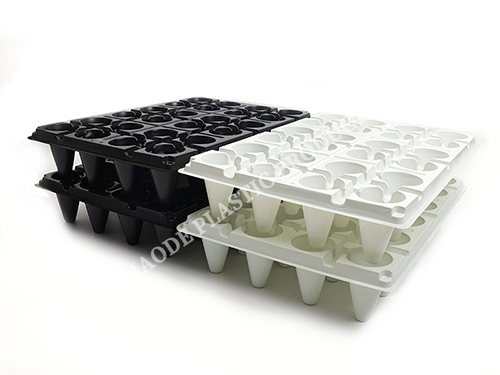
Overview of Common Tray Materials
Before comparing materials, it is important to understand the three main tray categories commonly used today:
·Plastic trays
·Metal trays
·Biodegradable trays
Each material offers unique advantages depending on usage conditions, load requirements, and sustainability goals.
Plastic Trays: Lightweight and Versatile
Plastic trays are among the most widely used solutions due to their balance of cost, durability, and flexibility.
Key Advantages
·Lightweight and easy to handle
·Resistant to moisture and corrosion
·Suitable for automated transport systems
·Easy to clean and reuse
Plastic trays are commonly used in seedling transport, food handling, and logistics operations. Injection molding and thermoforming allow manufacturers to produce trays in large volumes with consistent dimensions.
Limitations
·Long-term environmental impact if not recycled
·Heat sensitivity under extreme temperatures
Plastic remains a practical choice where hygiene, repeatability, and cost efficiency are priorities.
Metal Trays: Strength and Long-Term Durability
Metal trays are typically made from steel or aluminum and are designed for heavy-duty applications.
Key Advantages
·High load-bearing capacity
·Excellent resistance to deformation
·Long service life under harsh conditions
Metal trays are frequently used in industrial production lines, heat treatment processes, and material handling systems where structural strength is essential.
Limitations
·Heavier weight increases transport effort
·Higher initial cost compared to plastic
·Potential corrosion without surface treatment
Because of their durability, metal trays are often produced in controlled batches by manufacturers with specialized production capabilities.
Biodegradable Trays: Sustainable Alternatives
Biodegradable trays are gaining attention as industries seek environmentally responsible solutions.
Key Advantages
·Made from renewable or compostable materials
·Reduced environmental footprint
·Suitable for single-use or short-cycle applications
These trays are often used in agriculture, horticulture, and food packaging where disposal after use is expected.
Limitations
·Lower mechanical strength
·Sensitivity to moisture and prolonged storage
·Limited lifespan compared to plastic or metal
Biodegradable trays require careful material selection and quality control during production to maintain performance consistency.
Key Factors to Consider When Choosing Trays
Load Requirements
Trays used for heavy items or stacked transport must withstand static and dynamic loads without deformation.
Environmental Conditions
Exposure to moisture, heat, or chemicals influences material performance and lifespan.
Hygiene and Maintenance
Food and agricultural applications often require trays that are easy to clean and resistant to contamination.
Sustainability Goals
Environmental regulations and corporate responsibility initiatives may favor biodegradable or recyclable materials.
Production and Supply Stability
Partnering with a manufacturer capable of organized production and bulk supply ensures reliable delivery for long-term operations.
Comparing Tray Materials at a Glance
| Factor | Plastic | Metal | Biodegradable |
|---|---|---|---|
| Weight | Light | Heavy | Light |
| Load Capacity | Medium | High | Low–Medium |
| Durability | Medium–High | Very High | Low |
| Sustainability | Recyclable | Recyclable | Compostable |
| Cost | Low–Medium | High | Medium |
Industry Trends in Tray Material Development
Advances in material science continue to improve tray performance. Reinforced plastics, corrosion-resistant metals, and hybrid biodegradable composites are expanding available options.
Automation and standardized production are also shaping tray design, allowing consistent sizing and compatibility across logistics systems.
Conclusion: Choosing the Right Trays for Your Application
Selecting the right trays requires balancing strength, durability, cost, and environmental responsibility. Plastic trays offer flexibility and efficiency, metal trays provide unmatched strength, and biodegradable trays support sustainability initiatives.
For large-scale operations, working with a manufacturer supported by stable production systems and bulk supply capacity ensures material reliability and long-term value. By understanding application requirements and material properties, businesses can choose tray solutions that improve efficiency and performance.
References
GB/T 7714:Hopewell J, Dvorak R, Kosior E. Plastics recycling: challenges and opportunities[J]. Philosophical Transactions of the Royal Society B: Biological Sciences, 2009, 364(1526): 2115-2126.
MLA:Hopewell, Jefferson, Robert Dvorak, and Edward Kosior. "Plastics recycling: challenges and opportunities." Philosophical Transactions of the Royal Society B: Biological Sciences 364.1526 (2009): 2115-2126.
APA:Hopewell, J., Dvorak, R., & Kosior, E. (2009). Plastics recycling: challenges and opportunities. Philosophical Transactions of the Royal Society B: Biological Sciences, 364(1526), 2115-2126.

The CNC Seed Braiding Machine is a high-precision, fully automated agricultural equipment s...
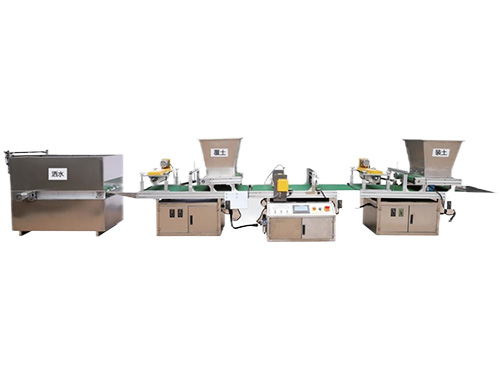
It adopts electrical integration and can be started by pressing the fully automatic button ...
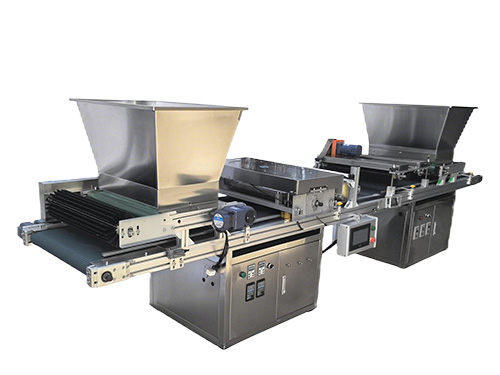
The XP750 seeder has stable performance, excellent product quality, simple and convenient o...
It adopts electrical integration and can be started by pressing the fully automatic button ...