





Troubleshooting Common Drainage Problems in Trays
2025-12-22 15:29:43
Why Drainage Problems in Trays Matter
Drainage performance is one of the most overlooked yet critical factors in tray-based growing and handling systems. Whether trays are used for seedlings, plants, industrial storage, or material handling, poor water management can lead to structural damage, hygiene risks, and performance failures.
A well-designed drainage mat plays a vital role in preventing water accumulation, improving airflow, and maintaining stable conditions inside trays. For large-scale applications, trays are often supplied by a manufacturer with standardized production processes, ensuring consistent drainage performance across bulk quantities.
This guide focuses on identifying common drainage problems in trays and provides practical solutions to improve efficiency, longevity, and usability through proper drainage design.
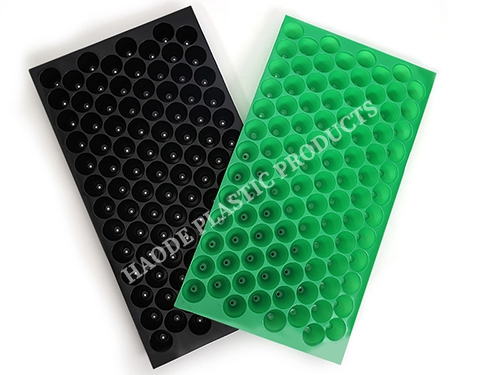
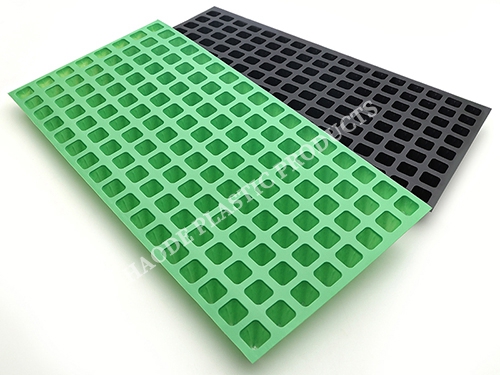
Understanding Drainage Systems in Trays
Tray drainage systems are designed to manage excess liquid by allowing water to flow away from the tray surface while maintaining stability. Drainage may be achieved through holes, channels, raised bases, or integrated drainage mat layers.
A drainage mat functions as a separation layer, lifting items above standing water while directing moisture toward designated outlets. This structure helps reduce water stagnation, mold growth, and material degradation.
When drainage systems are improperly designed or mismatched to their environment, performance issues quickly appear.
Common Drainage Problems in Trays
1. Water Pooling at the Tray Base
One of the most frequent issues is standing water accumulating at the bottom of trays. This often occurs when drainage holes are insufficient or blocked.
Pooling water can weaken tray materials, increase contamination risks, and create unstable conditions for stored or growing contents.
2. Slow Drainage and Moisture Retention
Even when drainage holes exist, poor water flow may result in slow drainage. Flat tray bottoms without elevation prevent water from moving efficiently.
Integrating a drainage mat helps create airflow beneath the tray surface, allowing moisture to escape more effectively.
3. Uneven Drainage Across the Tray
Uneven surfaces or inconsistent hole placement can cause water to drain in some areas while remaining trapped in others. This imbalance can lead to localized damage or inconsistent performance.
Precision during production is critical to maintaining uniform drainage behavior, especially for trays supplied in bulk.
4. Clogging and Sediment Buildup
Debris, soil particles, or residues can clog drainage openings over time. Without a proper drainage layer, fine materials settle directly over holes, reducing effectiveness.
A drainage mat acts as a protective buffer, minimizing direct contact between debris and drainage outlets.
How a Drainage Mat Solves These Problems
A properly engineered drainage mat addresses most tray drainage challenges by:
·Elevating contents above standing water
·Creating consistent drainage channels
·Improving airflow and evaporation
·Reducing clogging of drainage holes
Drainage mats are especially useful in environments requiring repeated washing, exposure to moisture, or extended use.
For operations that rely on large quantities of trays, working with a manufacturer capable of stable production and bulk supply ensures that drainage mats and tray systems perform consistently across all units.
Design Factors That Improve Tray Drainage
Material Selection
Durable materials that resist deformation help trays maintain drainage slopes and channel alignment over time.
Drainage Geometry
Channels, grooves, and raised patterns guide water efficiently toward exit points. Poor geometry leads to stagnation zones.
Compatibility with Drainage Mats
Trays designed to work with drainage mats provide better long-term performance than systems relying on holes alone.
Manufacturing Precision
Consistent tooling and controlled production environments ensure uniform drainage performance across large tray batches.
Maintenance Tips to Prevent Drainage Issues
Even the best-designed drainage systems require maintenance:
·Regularly clean drainage holes and channels
·Inspect drainage mats for compression or damage
·Avoid overloading trays beyond design limits
·Replace worn drainage components promptly
Preventive maintenance significantly extends tray service life and reduces operational disruptions.
When to Upgrade Tray Drainage Systems
Consider upgrading if you notice:
·Persistent water pooling
·Increased contamination or mold
·Structural weakening of trays
·Inefficient drying times
Modern tray systems with integrated drainage mat solutions offer improved reliability and easier maintenance.
Conclusion: Improving Tray Performance with Proper Drainage
Effective drainage is essential for tray performance, durability, and hygiene. By identifying common drainage problems early and integrating a well-designed drainage mat, tray systems can operate more efficiently and reliably.
For applications requiring consistent quality across large quantities, sourcing trays from a manufacturer with controlled production and bulk supply capability ensures uniform drainage performance and long-term value. Investing in proper drainage solutions ultimately protects both materials and operations.
References
GB/T 7714:Handreck K A, Black N D. Growing media for ornamental plants and turf[M]. UNSW press, 2002.
MLA:Handreck, Kevin A., and Neil D. Black. Growing media for ornamental plants and turf. UNSW press, 2002.
APA:Handreck, K. A., & Black, N. D. (2002). Growing media for ornamental plants and turf. UNSW press.

The CNC Seed Braiding Machine is a high-precision, fully automated agricultural equipment s...
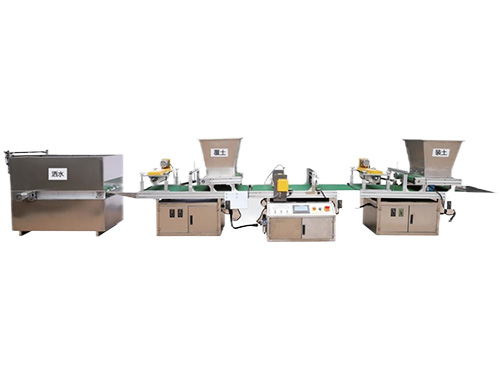
It adopts electrical integration and can be started by pressing the fully automatic button ...
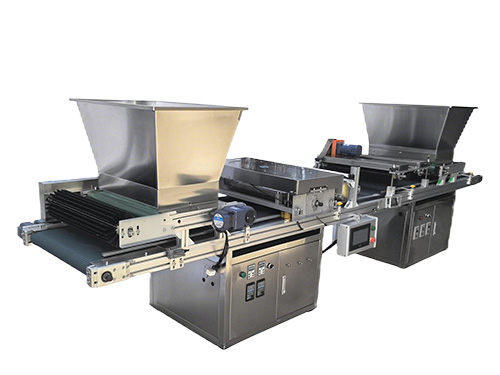
The XP750 seeder has stable performance, excellent product quality, simple and convenient o...
It adopts electrical integration and can be started by pressing the fully automatic button ...