





How to Store and Sanitize Used Seed Trays for Next Season
2025-12-14 11:03:47
Why Proper Care of Seed Trays Matters
Seed trays are a fundamental component of modern seed starting systems, widely used by home gardeners, nurseries, and commercial growers. Reusing seed trays season after season can significantly reduce production costs and material waste, but improper cleaning or storage may introduce pathogens that negatively affect seed germination and seedling health.
For growers managing large volumes of seed trays—or for manufacturers supplying seed trays in bulk production—sanitation and storage are not optional steps. They are essential practices that protect crop quality, improve operational efficiency, and extend the service life of reusable trays. This guide explains how to sanitize and store used seed trays effectively, ensuring they are ready for the next growing season.
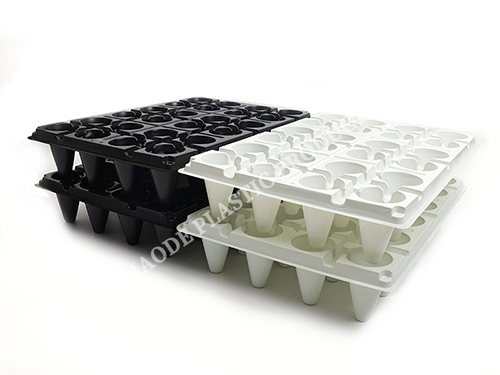
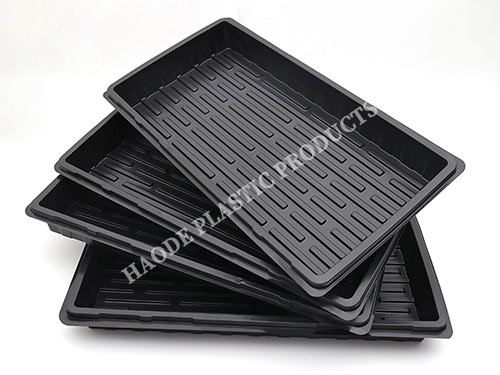
1. When and Why Seed Trays Should Be Cleaned
Seed trays should be cleaned immediately after seedlings are transplanted or the growing cycle ends. Residual soil, organic matter, algae, and moisture provide ideal conditions for fungi, bacteria, and insect eggs.
Failing to sanitize seed trays can lead to:
·Damping-off disease
·Root rot pathogens
·Reduced germination rates
·Cross-contamination between crop cycles
For operations involved in large-scale seed tray production or distribution, maintaining clean inventory also supports quality assurance standards and long-term customer trust.
2. Step One: Removing Soil and Organic Residue
Before sanitizing, all visible debris must be removed.
Recommended process:
·Shake off loose soil
·Rinse trays with clean water
·Use a soft brush to scrub corners and drainage holes
This step ensures that sanitizing agents can reach the tray surface evenly. Skipping debris removal reduces the effectiveness of any disinfectant used later.
3. Step Two: Effective Sanitizing Methods
There are several proven methods to sanitize used seed trays. The choice depends on tray material, scale of use, and available facilities.
Bleach Solution
·Mix 1 part household bleach with 9 parts water
·Soak trays for 10–15 minutes
·Rinse thoroughly with clean water
This method is widely used in nurseries and by seed tray manufacturers during post-production quality checks.
Hydrogen Peroxide
·Use a 3% solution
·Effective against bacteria and fungi
·Leaves minimal residue
Heat Treatment
·Hot water (above 70°C) for durable plastic trays
·Common in industrial seed tray production environments
Regardless of the method, trays must be completely dry before storage to prevent mold growth.
4. Special Considerations for Different Seed Tray Materials
Not all seed trays respond the same way to cleaning methods.
·Rigid Plastic Seed Trays: Durable and suitable for repeated sanitizing
·Thin Plastic Trays: Avoid excessive heat to prevent warping
·Biodegradable Trays: Often designed for single-use; reuse is not recommended
Manufacturers involved in seed tray production typically design reusable trays with sanitation compatibility in mind, especially for greenhouse and commercial farming use.
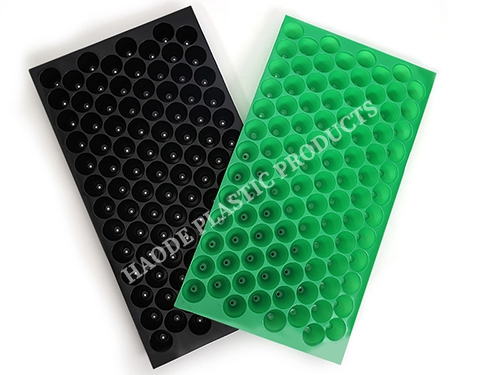
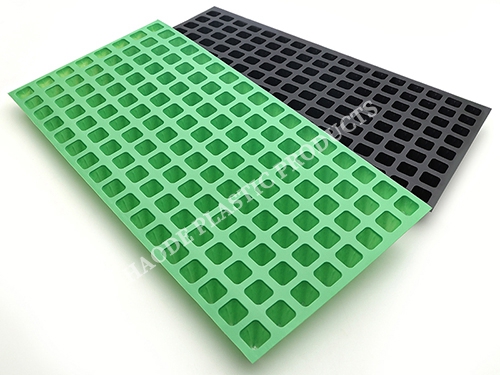
5. Proper Drying Techniques
After sanitizing, seed trays must be dried thoroughly.
Best practices include:
·Air-drying on racks
·Stacking trays vertically to improve airflow
·Avoiding enclosed or humid spaces
In bulk handling environments, drying zones are often integrated into production workflows to ensure trays remain contamination-free before packaging or storage.
6. How to Store Seed Trays Between Seasons
Correct storage is just as important as cleaning.
Ideal storage conditions:
·Dry, well-ventilated area
·Protected from direct sunlight
·Elevated off the ground
Stack seed trays neatly to prevent deformation. For long-term storage, covering stacks with breathable material helps keep dust and insects away while preventing moisture buildup.
For businesses handling large volumes, organized storage also improves inventory management and prepares trays for fast deployment in the next season.
7. Labeling and Organization Tips
Labeling seed trays after cleaning can prevent confusion during the next planting cycle.
Consider noting:
·Last use date
·Crop type previously planted
·Tray size or cell configuration
This practice is especially useful for growers managing multiple crop varieties or manufacturers supplying different tray models in bulk.
8. Common Mistakes to Avoid
·Storing trays while still wet
·Using overly strong chemicals that degrade plastic
·Stacking trays unevenly, causing cracks
·Skipping sanitation for trays that “look clean”
Avoiding these mistakes preserves both tray quality and plant health.
Conclusion: Long-Term Benefits of Proper Seed Tray Care
Seed trays represent a reusable investment in any growing operation. Proper sanitation and storage reduce disease risk, improve seedling performance, and extend tray lifespan across multiple seasons. For growers, this means healthier crops and lower replacement costs. For seed tray manufacturers and bulk suppliers, it reinforces product reliability and production efficiency.
By adopting consistent cleaning and storage routines, seed trays remain a dependable foundation for successful seed starting year after year—supporting both small-scale growers and large-scale agricultural production systems.
References
GB/T 7714:Daughtrey M L, Benson D M. Principles of plant health management for ornamental plants[J]. Annu. Rev. Phytopathol., 2005, 43(1): 141-169.
MLA:Daughtrey, Margery L., and D. Michael Benson. "Principles of plant health management for ornamental plants." Annu. Rev. Phytopathol. 43.1 (2005): 141-169.
APA:Daughtrey, M. L., & Benson, D. M. (2005). Principles of plant health management for ornamental plants. Annu. Rev. Phytopathol., 43(1), 141-169.

The CNC Seed Braiding Machine is a high-precision, fully automated agricultural equipment s...
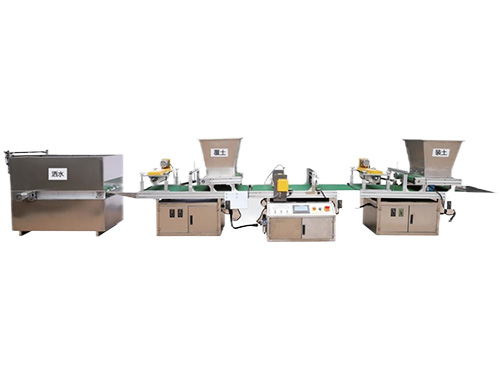
It adopts electrical integration and can be started by pressing the fully automatic button ...
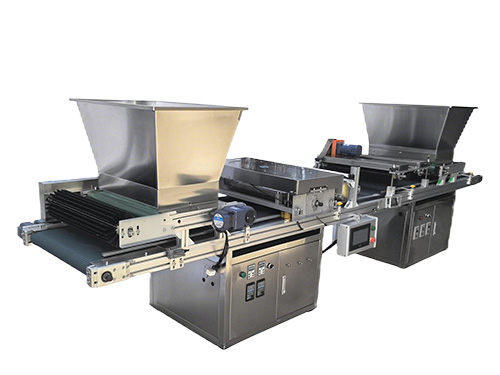
The XP750 seeder has stable performance, excellent product quality, simple and convenient o...
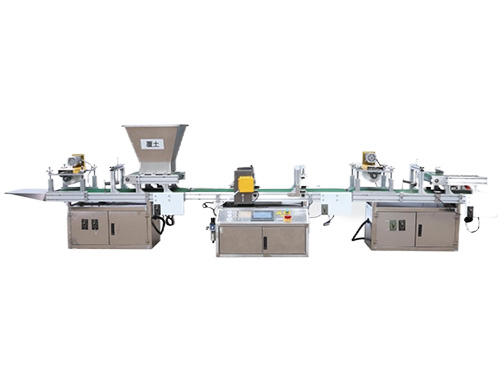
It adopts electrical integration and can be started by pressing the fully automatic button ...