





Comparing Manual Seeder Models for Small and Medium Farms
2025-12-13 10:51:28
A seeder is one of the most essential tools for small and medium-sized farms, especially for growers focused on efficiency, planting precision, and labor savings. Although large-scale agricultural operations rely on heavy machinery, manual seeders remain popular because they provide flexible control, low operating costs, and ease of use. For growers who rely on manual tools, choosing the right seeder model can directly influence germination rates, planting speed, and long-term crop productivity. As many manufacturer groups continue improving farm tools through more advanced production methods, manual seeders now offer a variety of designs suitable for diversified agricultural needs.
This article compares different manual seeder models and evaluates performance based on row configuration, seed delivery accuracy, hopper size, material durability, and ease of adjustment. These factors help farmers determine which type is best suited for their land size, crop structure, and labor capacity.
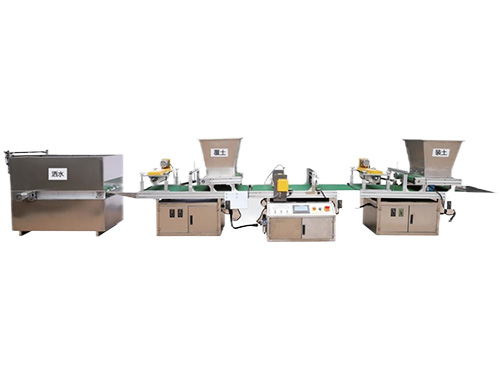
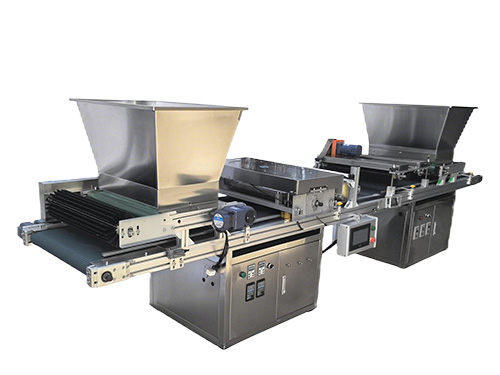
1. Single-Row Manual Seeder Models
Single-row seeders are the most common option for small farms or growers managing narrow plots.
Key Features
·Designed for planting one row at a time
·Adjustable planting depth
·Lightweight construction
·Ideal for vegetables, herbs, and specialty crops
Advantages
·Excellent precision for high-value crops
·Good for uneven terrain
·Allows growers to maintain consistent spacing
Disadvantages
·Slower for larger plots
·Requires more manual labor
Who Should Use It
Small farms where planting accuracy is more important than speed. Growers working in greenhouses or protected structures also benefit from the control a single-row seeder offers.
2. Multi-Row Manual Seeder Models
Multi-row seeders increase efficiency by planting two or more rows simultaneously.
Key Features
·Multiple drop tubes and furrow openers
·Wider frame but still manually operated
·Often include adjustable row spacing
Advantages
·Much faster for medium farms
·Reduces walking time
·Maintains consistent row alignment
Disadvantages
·Heavier and requires more physical effort
·Not ideal for narrow spaces or rough terrain
Who Should Use It
Medium-scale farms looking for higher productivity without investing in motorized equipment.
3. Drum-Type Manual Seeder Models
Drum seeders use a rotating drum to deliver seeds uniformly as the tool is pushed forward.
Key Features
·Cylindrical drum with seed holes
·Suitable for fine seeds
·Good for crops like leafy greens
Advantages
·High planting speed
·Uniform seed distribution
·Minimal maintenance
Disadvantages
·Not suitable for larger seeds
·Requires careful cleaning to avoid clogging
Who Should Use It
Farms specializing in small-seed crops that require even distribution across wide beds.
4. Precision Manual Seeder Models
Precision seeders focus on delivering a single seed per hole.
Key Features
·Internal seed metering mechanism
·Adjustable seed plates or gears
·Typically more expensive than basic models
Advantages
·Reduces seed waste
·Ensures even germination
·Improves crop uniformity
Disadvantages
·More delicate mechanism
·Requires proper calibration before use
Who Should Use It
Growers who prioritize accuracy for crops like corn, soybeans, beans, and specialty high-value plants.
5. Material and Durability Comparison
Most manual seeder models are made from:
• Steel Frames
Durable and ideal for frequent field use.
• Aluminum Components
Lightweight but strong; suitable for long working days.
• Plastic Hoppers
Reduce overall weight but require protection from UV exposure.
The best seeder for long-term use should have corrosion-resistant materials and easily replaceable parts.
6. Performance Factors Farmers Should Consider
When comparing seeder models, small and medium farms should evaluate:
• Seed Size Compatibility
Not all seeders can handle all seed shapes.
• Hopper Capacity
Larger hoppers reduce refill frequency, improving efficiency.
• Soil Preparation Requirements
Some seeders work best in well-tilled soil.
• Adjustability
Depth, spacing, and seed flow adjustments determine planting accuracy.
• Ergonomics
Handles and wheels affect comfort during long planting sessions.
7. Practical Tips for Selecting the Right Seeder
·Choose a single-row model for precision work on mixed crops.
·Select multi-row seeders to maximize speed on medium-sized fields.
·Use drum seeders for leafy greens and small-seed crops planted in beds.
·Opt for precision seeders when accurate seed placement is essential.
·Consider the weight of the seeder if terrain is uneven.
·Test seed flow before full-scale planting.
A thoughtful selection improves planting consistency and reduces labor input throughout the season.
Conclusion
Selecting the right seeder is essential for improving planting efficiency on small and medium farms. Whether using a single-row precision model or a multi-row tool designed for faster coverage, farmers benefit from understanding how different design options influence accuracy, crop performance, and work efficiency. With improvements in material engineering and modern manufacturer techniques, manual seeders now provide reliable tools for repeated production cycles and long-term agricultural use. By comparing key features and matching them with field needs, growers can choose a seeder that enhances productivity and supports consistent crop growth.
References
GB/T 7714:Srivastava A K, Goering C E, Rohrbach R P, et al. Engineering principles of agricultural machines[J]. 1993.
MLA:Srivastava, Ajit K., et al. "Engineering principles of agricultural machines." (1993): S774.
APA:Srivastava, A. K., Goering, C. E., Rohrbach, R. P., & Buckmaster, D. R. (1993). Engineering principles of agricultural machines.

The CNC Seed Braiding Machine is a high-precision, fully automated agricultural equipment s...
It adopts electrical integration and can be started by pressing the fully automatic button ...
The XP750 seeder has stable performance, excellent product quality, simple and convenient o...
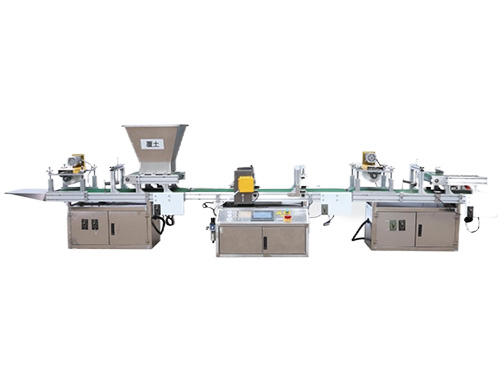
It adopts electrical integration and can be started by pressing the fully automatic button ...