





Combining Drainage Mats with Heating Mats for Faster Germination
2025-12-04 18:07:55
For growers seeking faster and more uniform germination, combining a drainage mat with a heating mat has become one of the most effective and reliable methods. This setup not only accelerates sprouting but also creates a more stable and controlled environment for early seedling development. As a drainage mat manufacturer with solid production capacity, many suppliers have refined mat structures to better support moisture management and root health.
This article explores why these two tools complement each other, how they work together, and how professional growers can maximize their results during the germination phase.
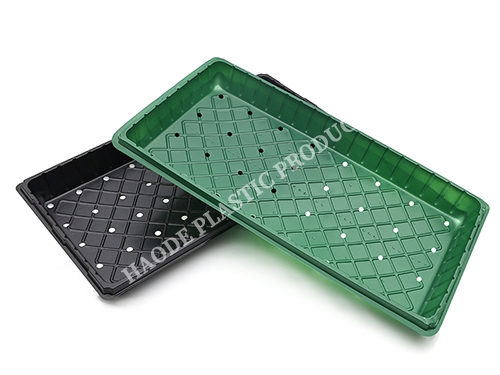
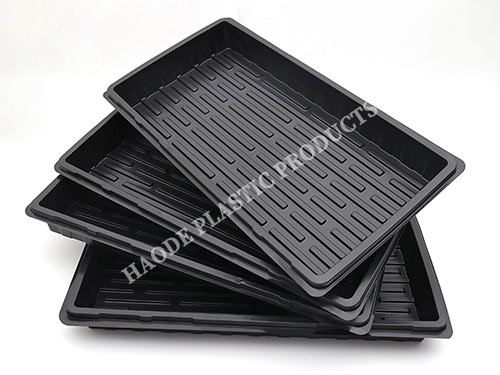
Why Germination Benefits from Heat and Drainage Working Together
Seeds require three essential elements to germinate successfully:
·Consistent warmth
·Adequate moisture
·Sufficient oxygen
A heating mat delivers steady bottom heat, encouraging the biological reactions that trigger sprouting. Meanwhile, a drainage mat ensures excess water flows away from seed trays, preventing soaking and stagnant moisture.
When combined, these two systems create an optimal microenvironment where seeds receive both warmth and controlled hydration—conditions proven to speed up germination and improve uniformity.
How a Drainage Mat Improves Moisture Regulation
A drainage mat is designed to lift trays slightly above a flat surface, allowing water to move freely and preventing trays from sitting in pooled moisture. This helps:
·Maintain airy, oxygen-rich growing media
·Allow roots to develop without debris buildup
·Avoid waterlogging caused by heavy watering
·Reduce fungal pressure during sprouting
By preventing excess moisture from accumulating, the drainage mat protects the seedbed and ensures the heating mat can perform efficiently beneath it.
The Role of Heating Mats in Seed Germination
Heating mats help compensate for low ambient temperatures, especially in greenhouses or indoor growing setups. A balanced temperature at the root zone helps:
·Activate metabolic processes
·Encourage quicker radicle emergence
·Improve germination percentages
·Produce stronger, more consistent seedlings
Most seeds germinate faster when the soil temperature remains between 20°C and 30°C. Heating mats ensure this warmth stays constant, even when air temperatures fluctuate.
Why the Two Mats Perform Better Together
1. Preventing Excess Heat-Induced Moisture Accumulation
Heating mats naturally increase evaporation rates. Without a drainage mat beneath the trays, condensed moisture can collect and encourage mold growth. A drainage mat disperses this moisture and prevents wet patches.
2. Achieving Even Temperature Distribution
When seed trays rest directly on a heating mat, parts of the tray may heat unevenly. A drainage mat creates a slight elevation, which helps heat spread more uniformly.
3. Improving Root Aeration
The elevation created by the drainage mat improves airflow beneath trays. Roots receive more oxygen, which promotes healthier early growth.
4. Reducing the Risk of Root Rot
Consistent heat plus excess moisture is a perfect environment for fungal infections. The drainage mat reduces this risk by allowing excess water to move away efficiently.
How to Properly Set Up a Drainage Mat and Heating Mat System
To maximize efficiency, proper installation is crucial. The following steps ensure the system works correctly:
1. Place the Heating Mat on a Dry, Flat Surface
Ensure it is free from debris and moisture to guarantee even heat distribution.
2. Position the Drainage Mat Directly Above the Heating Mat
The drainage mat should lie flat so that trays remain stable. Its raised texture will create the ventilation gap required for airflow.
3. Add Seedling Trays or Cultivation Flats
Place trays on top of the drainage mat so that heat transfers upward while moisture drains downward.
4. Use a Thermostat for Temperature Control
Temperature regulation ensures seeds are not overheated. Most professional growers use thermostats to maintain ideal soil warmth.
5. Water Moderately
With drainage mats, water travels away quickly, so avoid unnecessary overwatering that may lead to uneven moisture levels.
What Materials Make a High-Quality Drainage Mat?
Professional drainage mat manufacturers often use durable materials that withstand heat, compression, and constant moisture exposure. Common materials include:
·High-density polyethylene (HDPE)
·Polypropylene fibers
·EVA foam textures
·Heat-resistant composite layers
These materials ensure that the mat maintains shape, airflow, and drainage performance during long-term use.
Additional Best Practices for Faster Germination
To improve results further, consider these tips:
1. Choose a Well-Draining Soil Mix
Seed-starting mixes with perlite or vermiculite support both moisture balance and root oxygenation.
2. Maintain Proper Humidity
Using humidity domes can speed germination, but remove them once seedlings appear to avoid mold.
3. Rotate Trays Periodically
If lighting is directional, rotation keeps seedlings growing upright and consistent.
4. Monitor Moisture Daily
The combination of heat and drainage means soil may dry faster; adjust watering accordingly.
Conclusion: A Simple Combination with Powerful Germination Benefits
Pairing a drainage mat with a heating mat creates a highly effective environment that enhances warmth, aeration, and moisture control—all essential for fast, healthy seed germination. Growers who use mats from reliable manufacturers with strong production capabilities gain the added benefit of durability, performance consistency, and ease of use.
Whether you’re a hobby gardener or managing large-scale propagation, this combination provides a practical, science-backed method to boost germination success and produce vigorous seedlings.
References
GB/T 7714:Bewley J D, Bradford K, Hilhorst H. Seeds: physiology of development, germination and dormancy[M]. Springer Science & Business Media, 2012.
MLA:Bewley, J. Derek, Kent Bradford, and Henk Hilhorst. Seeds: physiology of development, germination and dormancy. Springer Science & Business Media, 2012.
APA:Bewley, J. D., Bradford, K., & Hilhorst, H. (2012). Seeds: physiology of development, germination and dormancy. Springer Science & Business Media.

The CNC Seed Braiding Machine is a high-precision, fully automated agricultural equipment s...
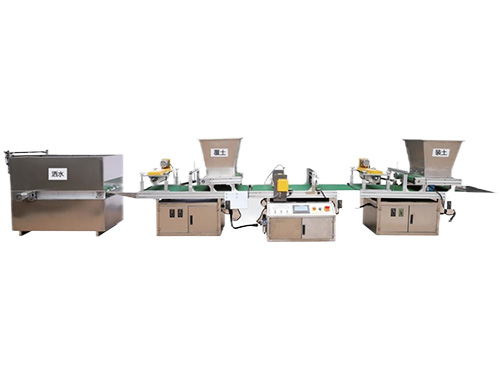
It adopts electrical integration and can be started by pressing the fully automatic button ...
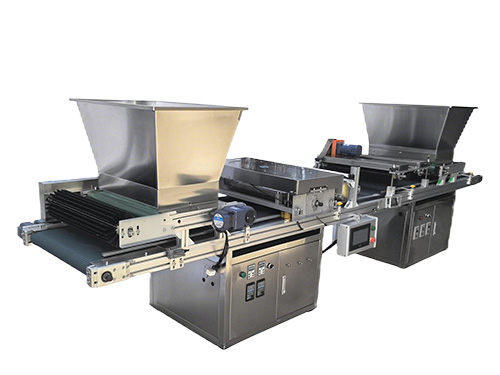
The XP750 seeder has stable performance, excellent product quality, simple and convenient o...
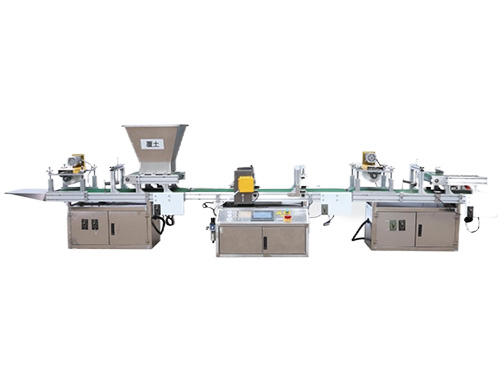
It adopts electrical integration and can be started by pressing the fully automatic button ...