





Airflow in Seedling Trays: Preventing Mold and Rot
2025-12-03 16:45:34
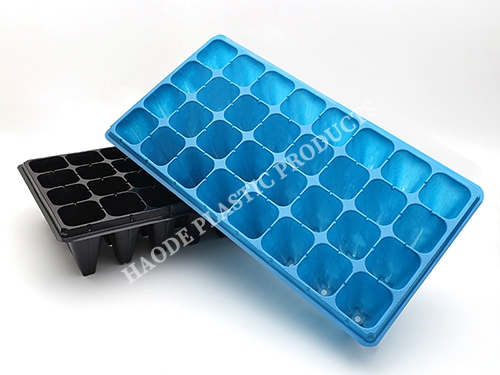
Growers often pay close attention to soil blends, watering schedules, and lighting setups—but airflow inside seedling trays is equally essential and frequently overlooked. Proper ventilation directly influences germination success and early plant vigor. As a manufacturer with extensive production capability in seedling tray design, many suppliers emphasize airflow as a core structural feature rather than a secondary detail.
Understanding how air circulates around and beneath seedlings can dramatically reduce disease pressure and ensure uniform growth across every cell.
Why Ventilation Is Essential in Early Growth Stages
Newly sprouted seedlings need an environment that balances moisture with oxygen availability. Without enough airflow, the space inside seedling trays becomes stagnant, trapping humidity where harmful microorganisms thrive. Insufficient ventilation often leads to:
·Persistent surface moisture
·Fungal outbreaks such as damping-off
·Anaerobic conditions around tender roots
·Slow or uneven germination
When seedling trays integrate airflow-focused structural elements, the root zone stays oxygenated and less prone to the warm, wet conditions that promote mold and rot.
How Heat and Moisture Interact to Create Mold Problems
Seedling trays naturally hold moisture to support germination. However, when this moisture is combined with heat from sunlight or greenhouse temperatures, condensation forms inside the cells. Without adequate ventilation pathways, this moisture becomes trapped. The warm, humid microclimate then encourages:
·Mold colonies on soil surfaces
·Slimy residues or algae
·Overly saturated growing media
·A hospitable environment for root pathogens
High-quality trays produced by professional seedling tray manufacturers typically incorporate design features that allow air to move beneath, between, and around cells, preventing this moisture buildup.
Airflow-Enhancing Features Common in Modern Seedling Trays
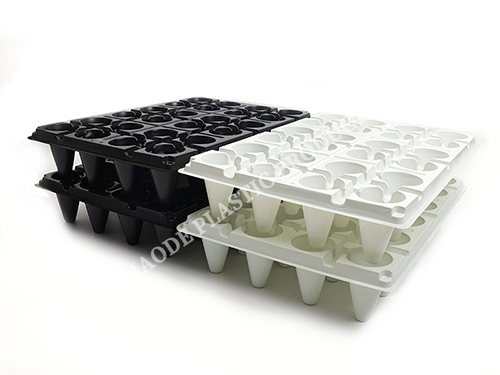
1. Elevated Cell Bases
A slightly raised base design allows free air movement underneath each cell. This helps moisture evaporate evenly, preventing “wet pockets” that increase rot risk.
2. Strategic Drainage and Ventilation Holes
The presence of well-spaced bottom perforations improves:
·Water release
·Air exchange around roots
·Faster drying after irrigation
This airflow through the bottom of the tray is vital for protecting tender seedlings.
3. Sloped or Angled Cell Walls
Angled walls prevent soil compaction and allow better air interaction with the growing medium. This design also reduces resistance when removing plugs for transplanting.
4. Rigid, Heat-Resistant Materials
Seedling trays crafted from durable PP or PE maintain structural integrity in warm environments. This prevents warping that could otherwise block airflow channels.
Practical Ways to Improve Air Circulation During Seedling Cultivation
Even with efficient tray designs, growers must also interact with the environment in ways that support airflow. Consider these practices:
1. Water Only as Needed
Avoid saturating the soil. Overwatering reduces oxygen levels and encourages fungal spores to germinate.
2. Use Bottom Irrigation Carefully
Allow water to wick upward through the soil while keeping the surface dry—an effective way to reduce mold incidents.
3. Keep Trays Elevated During Use
Place seedling trays on mesh racks or raised benches rather than solid surfaces to encourage bottom airflow.
4. Increase Air Movement in the Growing Area
Gentle airflow from fans helps disperse humidity and prevents condensation on tray surfaces.
5. Space Trays Properly
Crowding restricts airflow between trays, resulting in uneven drying patterns and localized humid zones.
6. Monitor Humidity Conditions
Most seedlings thrive at moderate humidity. Levels consistently above 70% increase mold risks substantially.
Tray Materials and Engineering Affect Airflow Efficiency
The physical characteristics of seedling trays—cell depth, spacing, wall thickness, and bottom design—all influence how air moves through the growing system. Trays produced by experienced manufacturers with bulk production capabilities often incorporate engineering improvements that have been refined over years of customer feedback.
Rigid, high-quality trays maintain their shape under heat and weight, ensuring ventilation channels remain open. Lower-quality trays may flex or collapse, trapping moisture and leading to inconsistent airflow.
Supporting Root Strength Through Optimized Ventilation
Consistent airflow does more than prevent disease—it enhances seedling development. Benefits include:
·More vigorous and fibrous root growth
·Higher seedling survival rates
·Improved nutrient uptake
·Uniform growth across whole trays
·Reduced need for fungicides or chemical treatments
Roots thrive when oxygen levels are stable, and good airflow helps maintain this balance.
Conclusion: Airflow Is a Core Component of Healthy Seedling Production
Successful germination relies not only on moisture and warmth but also on adequate airflow throughout the entire seedling environment. Well-designed seedling trays, especially those developed by reliable manufacturers with strong production capacity, play a crucial role in preventing mold and rot while promoting vigorous root development. By combining thoughtful tray design with proper cultivation practices, growers can produce healthier, more consistent seedlings ready for transplanting.
References
GB/T 7714:Körner O, Challa H. Process-based humidity control regime for greenhouse crops[J]. Computers and electronics in agriculture, 2003, 39(3): 173-192.
MLA:Körner, O., and H. Challa. "Process-based humidity control regime for greenhouse crops." Computers and electronics in agriculture 39.3 (2003): 173-192.
APA:Körner, O., & Challa, H. (2003). Process-based humidity control regime for greenhouse crops. Computers and electronics in agriculture, 39(3), 173-192.

The CNC Seed Braiding Machine is a high-precision, fully automated agricultural equipment s...
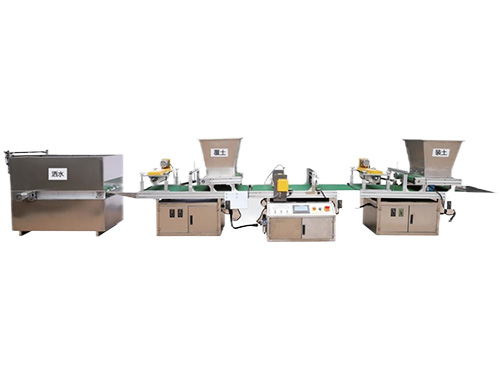
It adopts electrical integration and can be started by pressing the fully automatic button ...
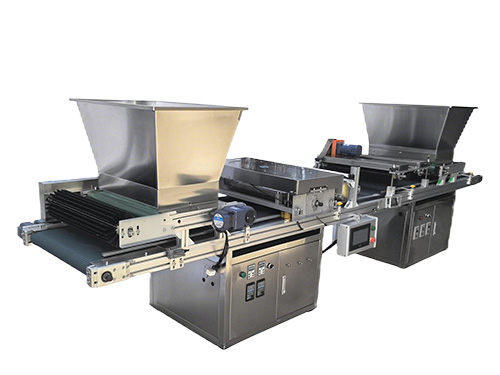
The XP750 seeder has stable performance, excellent product quality, simple and convenient o...
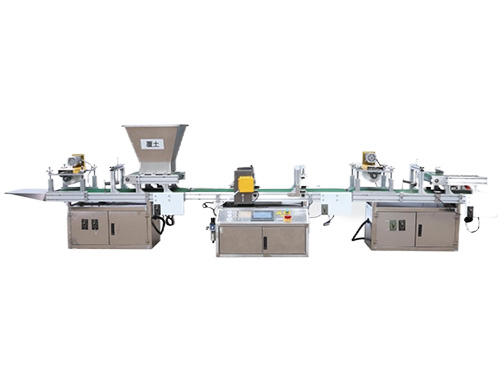
It adopts electrical integration and can be started by pressing the fully automatic button ...