





From Manual to Semi-Automatic: Transitioning Your Seedling Seeder
2025-12-15 11:24:40
Why Upgrading a Seedling Seeder Matters
A seedling seeder is a critical tool in modern propagation systems, influencing planting speed, labor efficiency, and seedling uniformity. While manual seedling seeders remain common among small growers and nurseries, increasing labor costs and rising production demands are driving many operations to consider semi-automatic alternatives.
Transitioning from a manual to a semi-automatic seedling seeder is not simply an equipment upgrade—it represents a shift in production strategy. For growers, it can mean faster throughput and more consistent results. For manufacturer-oriented operations involved in equipment production or bulk supply, semi-automatic systems support scalable workflows and standardized output.
This article explores when and how to make the transition, what factors to evaluate, and how semi-automatic seedling seeders fit into evolving production environments.
1. Understanding Manual Seedling Seeder Limitations
Manual seedling seeders are valued for their simplicity and low initial investment. However, they present clear limitations as production volume increases.
Common Constraints
·Labor-intensive operation
·Inconsistent seeding depth or placement
·Slower daily output
·Operator fatigue affecting accuracy
In small-scale or seasonal use, these limitations may be acceptable. However, as tray counts grow and planting schedules tighten, manual systems often become a bottleneck.
2. What Defines a Semi-Automatic Seedling Seeder
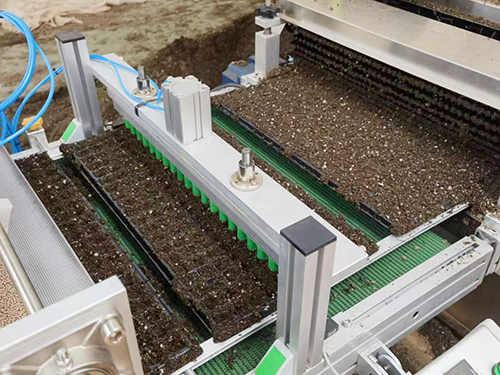
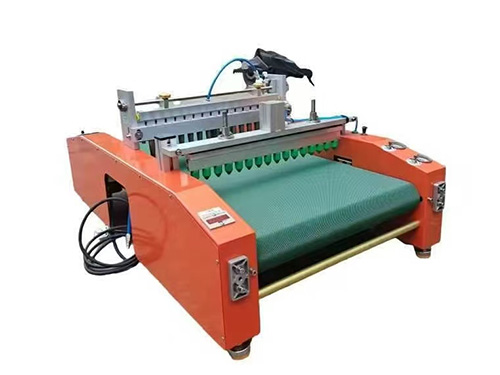
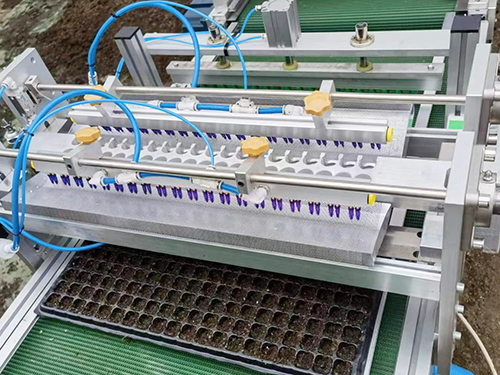
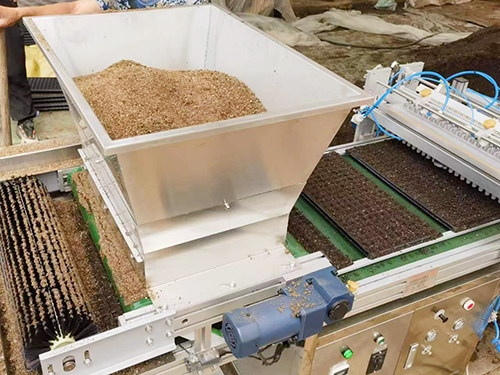
A semi-automatic seedling seeder combines manual loading with automated or assisted seeding mechanisms. While not fully robotic, these systems significantly reduce repetitive manual actions.
Key Characteristics
·Mechanized seed dispensing
·Adjustable seeding parameters
·Foot pedal or motor-assisted operation
·Compatibility with standard seed trays
This balance between automation and operator control makes semi-automatic seedling seeders particularly attractive to mid-scale producers.
3. Signs It’s Time to Upgrade
Recognizing the right moment to transition is essential to maximize return on investment.
Indicators for Transition
·Increased labor costs or shortages
·Growing demand for uniform seedlings
·Expanded production schedules
·Difficulty meeting planting deadlines
When these challenges arise, upgrading the seedling seeder can improve both efficiency and product consistency.
4. Production Benefits of Semi-Automatic Systems
The shift from manual to semi-automatic seeding brings measurable advantages.
Higher Output
Semi-automatic seedling seeders significantly increase trays seeded per hour, supporting larger production cycles.
Improved Consistency
Mechanized seed placement reduces variability, improving germination rates and uniform seedling growth.
Reduced Labor Dependency
Operators focus on monitoring and tray handling rather than repetitive motions, lowering fatigue and error rates.
For production-focused environments, these benefits directly translate into improved scheduling and resource planning.
5. Key Factors to Evaluate Before Transitioning
Before upgrading, growers and procurement teams should assess several technical and operational considerations.
Tray Compatibility
Ensure the new seedling seeder supports existing tray dimensions and cell counts.
Seed Type Adaptability
Some systems perform better with pelleted or uniform seed sizes.
Maintenance and Training
Semi-automatic systems require basic mechanical understanding and routine maintenance planning.
Space and Power Requirements
Evaluate available floor space and power access within the production area.
Manufacturers involved in seedling seeder production often design modular systems to address these transition challenges.
6. Cost Considerations and Long-Term Value
While semi-automatic seedling seeders have higher upfront costs than manual tools, long-term operational savings often offset the investment.
Cost-Benefit Factors
·Labor reduction over multiple seasons
·Increased daily seeding capacity
·Lower rework and waste rates
·Extended equipment lifespan
For operations sourcing equipment in bulk supply arrangements, scaling efficiency further enhances cost performance.
7. Integrating Semi-Automatic Seeders into Existing Workflows
Successful transition depends on thoughtful integration rather than immediate replacement.
Recommended Approach
·Start with hybrid workflows
·Assign trained operators
·Monitor output and quality metrics
·Gradually phase out manual-only processes
This staged transition minimizes disruption while allowing teams to adapt to new production rhythms.
8. Common Transition Challenges and Solutions
Even with planning, challenges may arise.
Typical Issues
·Operator resistance to new equipment
·Initial setup calibration errors
·Inconsistent power supply
Practical Solutions
·Provide hands-on training
·Run pilot batches before full deployment
·Establish maintenance routines
Addressing these factors early ensures a smoother transition.
Conclusion: Building Scalable Production with the Right Seedling Seeder
A seedling seeder remains at the heart of any propagation operation. Transitioning from manual to semi-automatic systems supports higher productivity, improved uniformity, and more resilient production planning. For growers, it means meeting demand without increasing labor strain. For manufacturer-aligned operations, it reinforces standardized production and scalable supply capabilities.
By evaluating readiness, selecting compatible systems, and integrating thoughtfully, a semi-automatic seedling seeder becomes a strategic investment—supporting long-term growth, consistent quality, and efficient production cycles.
References
GB/T 7714:Srivastava A K, Goering C E, Rohrbach R P, et al. Engineering principles of agricultural machines[J]. 1993.
MLA:Srivastava, Ajit K., et al. "Engineering principles of agricultural machines." (1993): S774.
APA:Srivastava, A. K., Goering, C. E., Rohrbach, R. P., & Buckmaster, D. R. (1993). Engineering principles of agricultural machines.

The CNC Seed Braiding Machine is a high-precision, fully automated agricultural equipment s...
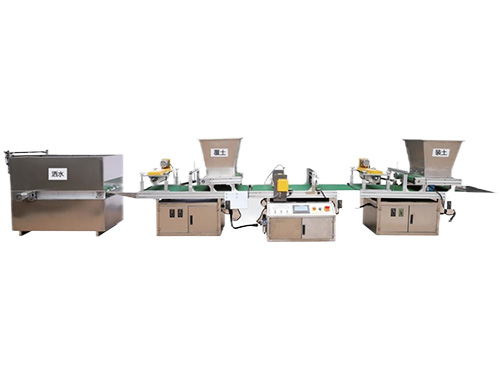
It adopts electrical integration and can be started by pressing the fully automatic button ...
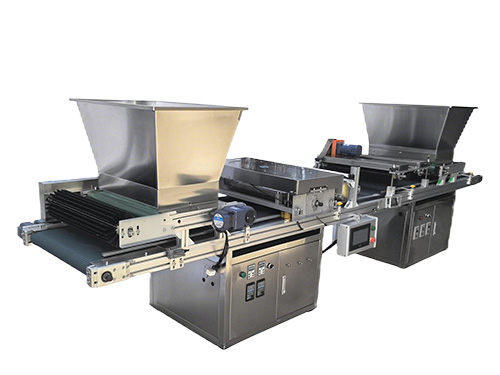
The XP750 seeder has stable performance, excellent product quality, simple and convenient o...
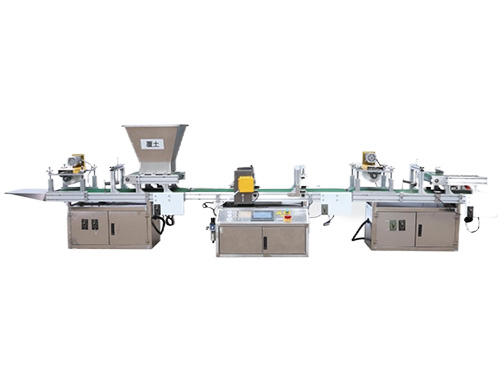
It adopts electrical integration and can be started by pressing the fully automatic button ...