





How to Choose the Right Plastic Seed Trays for Your Plants
2026-02-14 19:31:06
Why Plastic Seed Trays Matter in Plant Growing
Whether you are a home gardener, greenhouse operator, or commercial nursery, selecting the right plastic seed trays plays a crucial role in successful plant propagation. Seed trays provide the first growing environment for seeds, influencing root development, moisture control, and transplant success.
With professional manufacturer-controlled production and standardized factory manufacturing processes, modern plastic seed trays are designed for durability, precision, and batch supply for agricultural and horticultural projects of all sizes. Choosing the right tray helps improve germination rates, reduce waste, and streamline planting operations.
Understanding how plastic seed trays work and what features matter most allows growers to create a healthier and more efficient planting system.
What Are Plastic Seed Trays?
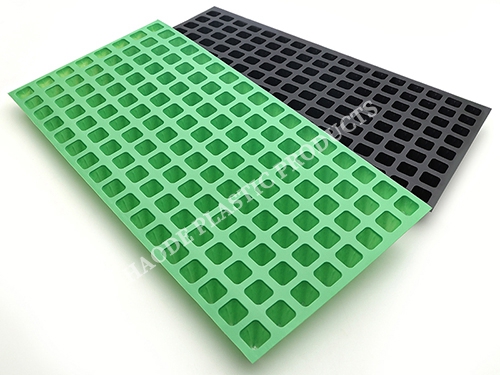
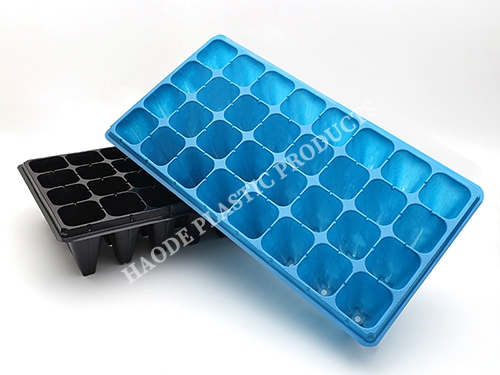
Plastic seed trays are shallow containers with multiple cells or compartments used to start seeds before transplanting them into larger pots or soil beds. They help organize seedlings, control spacing, and maintain proper moisture and airflow.
Factory-produced trays are usually made from durable polymers such as PP or PET, offering lightweight structure and resistance to deformation. Manufacturer production ensures consistent size, thickness, and drainage performance across large batch orders.
From vegetables and flowers to herbs and tree seedlings, plastic seed trays are widely used in nurseries, greenhouses, and commercial agriculture.
Cell Size and Layout: Matching Plants to Space
One of the most important factors when choosing plastic seed trays is the cell size and layout.
Smaller cells work well for herbs, lettuce, and flowers with shallow roots, while larger cells support vegetables like tomatoes, peppers, and cucumbers that need more room for early root development.
Factory production provides standardized cell molds that ensure consistent spacing and volume, making large-scale planting more uniform and manageable. Selecting the right tray layout improves root health and reduces transplant shock later in the growing cycle.
Material Quality and Durability
Material strength directly affects how long plastic seed trays can be reused. Thin, low-grade plastic can crack, warp, or collapse under moisture and temperature changes.
High-quality trays produced by professional manufacturers use reinforced polymers with balanced flexibility and rigidity. Factory manufacturing also controls wall thickness and surface finish, ensuring trays maintain shape over multiple growing seasons.
Durable plastic seed trays reduce replacement frequency and support sustainable growing practices.
Drainage Design and Moisture Control
Good drainage is essential for preventing root rot and promoting healthy germination.
Plastic seed trays should feature properly sized drainage holes that allow excess water to escape while retaining enough moisture for seedlings. Poor drainage can suffocate roots, while excessive drainage can dry out the growing medium.
Through controlled production processes, manufacturers design tray bottoms with optimized hole placement and structural stability, ensuring even water flow across all cells in batch-supplied trays.
Airflow and Root Development
Healthy seedlings require oxygen around their roots. Plastic seed trays with raised bases or air-pruning features encourage roots to branch naturally instead of circling.
Factory production techniques allow precise molding of ventilation channels and cell shapes, improving airflow and reducing root binding. Better root structure leads to stronger transplants and higher survival rates when seedlings move into open soil or larger containers.
Reusability and Cleaning Efficiency
Another advantage of plastic seed trays is their reusability. Unlike disposable paper trays, plastic trays can be cleaned, sterilized, and reused many times.
Manufacturer production ensures smooth surfaces and rounded edges that simplify washing and disinfection. Factory batch supply allows growers to maintain uniform tray systems that fit automated seeding and watering equipment.
Reusable trays also reduce waste and lower long-term growing costs.
Compatibility with Automation Systems
Modern agriculture increasingly relies on automation. Many greenhouses use machines for seeding, watering, and transplanting.
Plastic seed trays produced in factories follow precise dimensional standards so they can integrate seamlessly with automated lines. Manufacturer-controlled production reduces size variation, ensuring trays move smoothly through conveyors and handling systems without jamming or misalignment.
Choosing compatible trays saves labor and increases productivity for commercial growers.
Environmental Considerations
Sustainability is becoming a major focus in horticulture. Many plastic seed trays are now produced using recyclable materials.
Factory production minimizes waste through optimized molding cycles and material recovery systems. Long service life also reduces disposal volume over time.
By selecting high-quality plastic seed trays, growers support environmentally responsible production while maintaining performance.
How Manufacturer and Factory Production Improve Quality
Working with a professional plastic seed trays manufacturer provides several advantages:
·Stable raw material sourcing
·Precision injection molding
·Uniform wall thickness
·Quality inspections
·Bulk factory supply capacity
Factory production ensures each tray meets functional standards for strength, drainage, and dimension accuracy. Batch supply supports large planting schedules and consistent results across seasons and projects.
Applications of Plastic Seed Trays
Plastic seed trays are widely used in:
·Commercial nurseries
·Greenhouses
·Home gardening
·Vegetable production
·Flower propagation
·Tree seedling cultivation
Their versatility, combined with factory production reliability, makes plastic seed trays essential for both small growers and industrial-scale agriculture.
Common Mistakes When Choosing Seed Trays
Some growers make avoidable mistakes, such as:
·Using trays with cells that are too small for plant type
·Ignoring drainage quality
·Selecting low-grade plastic
·Mixing incompatible tray sizes with automation systems
Understanding tray design and relying on manufacturer production standards helps avoid these problems and ensures healthy plant development.
Conclusion: Invest in the Right Plastic Seed Trays
Choosing the right plastic seed trays directly affects germination success, root health, and overall planting efficiency.
By selecting trays supported by professional manufacturer production and stable factory batch supply, growers benefit from consistent quality, durability, and performance across every planting cycle.
Whether for home gardening or commercial agriculture, plastic seed trays remain a smart investment for healthier plants and more productive growing systems.
References
GB/T 7714:Li H, Wang C, Zou H, et al. Structural Design and Performance Test of Biomass-Based Nursery Trays[J]. Sustainability, 2022, 14(15): 9101.
MLA:Li, Hailiang, et al. "Structural Design and Performance Test of Biomass-Based Nursery Trays." Sustainability 14.15 (2022): 9101.
APA:Li, H., Wang, C., Zou, H., Sun, H., Wang, H., Yu, Z., ... & Liu, X. (2022). Structural Design and Performance Test of Biomass-Based Nursery Trays. Sustainability, 14(15), 9101.

The CNC Seed Braiding Machine is a high-precision, fully automated agricultural equipment s...
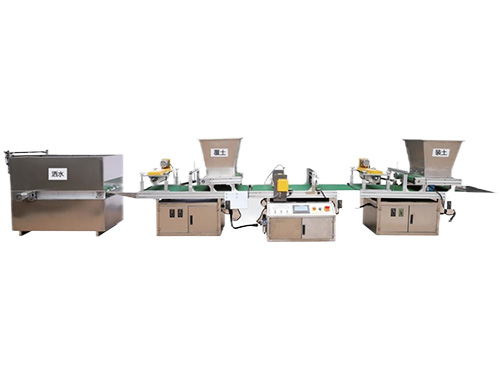
It adopts electrical integration and can be started by pressing the fully automatic button ...
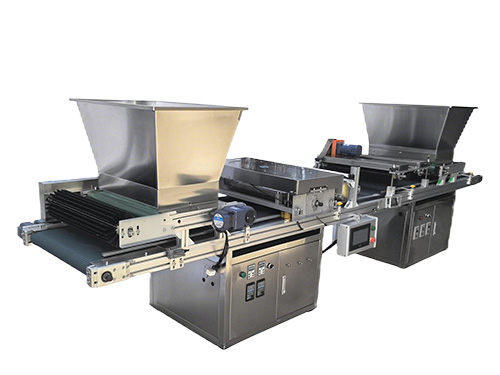
The XP750 seeder has stable performance, excellent product quality, simple and convenient o...
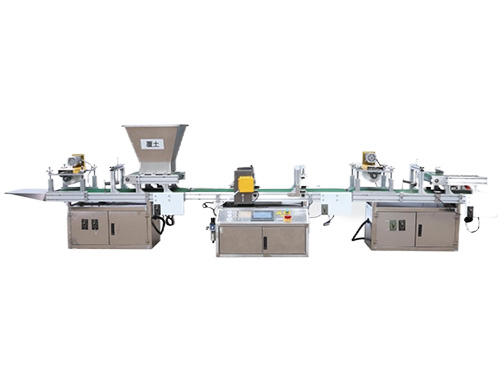
It adopts electrical integration and can be started by pressing the fully automatic button ...