





Top 10 Benefits of Using Plastic Seed Trays in Your Garden
2026-01-19 13:02:51
For any gardener or commercial grower, selecting the right container for seedlings is crucial. Plastic seed trays have become increasingly popular in both home gardens and large-scale nursery production. Unlike traditional pots or biodegradable trays, plastic seed trays offer numerous advantages that make seedling propagation more efficient, reliable, and cost-effective. Below, we explore the top ten benefits of using plastic seed trays, highlighting why manufacturers, nurseries, and garden enthusiasts prefer them.
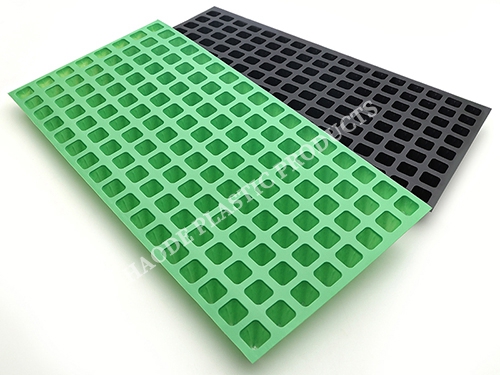
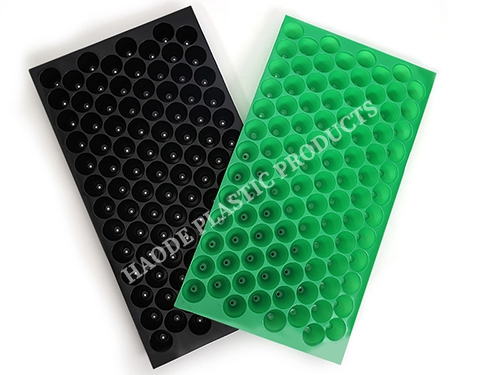
1. Uniform Seedling Growth
Plastic seed trays are designed with individual cells, which allow each seedling to grow in a controlled environment. This uniformity ensures seedlings develop consistent root systems and reduces competition for nutrients. By using trays produced by trusted manufacturers in bulk factory production, growers can maintain consistent quality across hundreds of seedlings.
2. Space Efficiency
One of the standout benefits of plastic seed trays is space optimization. Their rectangular design allows for stacking and efficient placement on benches or shelves. Compared to traditional pots, trays occupy less space, making them ideal for greenhouses, nurseries, or even small urban gardens.
3. Improved Root Development
With proper drainage and aeration, plastic seed trays encourage healthier root systems. Seedlings are less likely to experience root circling, a common problem in conventional pots. This leads to stronger plants that transplant more successfully.
4. Cost-Effective for Bulk Production
For large-scale nurseries or factory production, plastic seed trays provide a cost-efficient solution. They can be purchased in bulk directly from manufacturers, reducing unit costs compared to individual pots. Reusable trays further minimize expenses over multiple growing cycles.
5. Easy Handling and Transportation
Plastic seed trays are lightweight and stackable, making them easier to handle, transport, and store. Gardeners and nursery staff can move seedlings without disturbing delicate roots, ensuring higher survival rates during transplantation.
6. Versatility Across Plant Types
Whether propagating vegetables, herbs, flowers, or ornamental plants, plastic seed trays accommodate a variety of species. With different cell sizes available, growers can select trays that suit specific plant requirements, improving overall propagation success.
7. Efficient Watering and Fertilization
The design of plastic seed trays allows for even water distribution and nutrient application. Growers can easily use bottom watering techniques, reducing the risk of overwatering and preventing fungal issues. This controlled environment promotes healthier, more robust seedlings.
8. Durability and Reusability
Plastic seed trays are highly durable, often lasting for multiple growing seasons. Unlike paper or biodegradable trays, they resist cracking, warping, and decomposition. Reusability makes them an environmentally and economically smart choice for both hobbyists and commercial growers.
9. Simplified Labeling and Organization
Plastic seed trays make it simple to label individual cells or rows, which is particularly useful for experimenting with multiple plant varieties. Organized propagation saves time and reduces errors, especially in production-oriented nurseries that rely on systematic planting schedules.
10. Ideal for Nursery and Factory Production
For commercial growers, plastic seed trays are indispensable in large-scale propagation. Their modular design allows factory production of seedlings with predictable quality. By sourcing trays from reputable manufacturers, nurseries can ensure a consistent supply of high-quality seedlings ready for transplant or sale.
Conclusion
In conclusion, plastic seed trays provide a multitude of advantages over other types of containers. From uniform growth and space-saving design to cost efficiency, durability, and suitability for nursery or factory production, these trays are a smart investment for gardeners and commercial growers alike. By integrating plastic seed trays into your garden or production facility, you ensure healthier seedlings, higher transplant success, and streamlined propagation workflows.
Whether you are cultivating a small home garden or running a large-scale nursery, plastic seed trays remain one of the most effective tools for plant propagation, supporting both quality and efficiency in every stage of seedling development.
References
GB/T 7714:South D B, Harris S W, Barnett J P, et al. Effect of container type and seedling size on survival and early height growth of Pinus palustris seedlings in Alabama, USA[J]. Forest Ecology and Management, 2005, 204(2-3): 385-398.
MLA:South, David B., et al. "Effect of container type and seedling size on survival and early height growth of Pinus palustris seedlings in Alabama, USA." Forest Ecology and Management 204.2-3 (2005): 385-398.
APA:South, D. B., Harris, S. W., Barnett, J. P., Hainds, M. J., & Gjerstad, D. H. (2005). Effect of container type and seedling size on survival and early height growth of Pinus palustris seedlings in Alabama, USA. Forest Ecology and Management, 204(2-3), 385-398.

The CNC Seed Braiding Machine is a high-precision, fully automated agricultural equipment s...
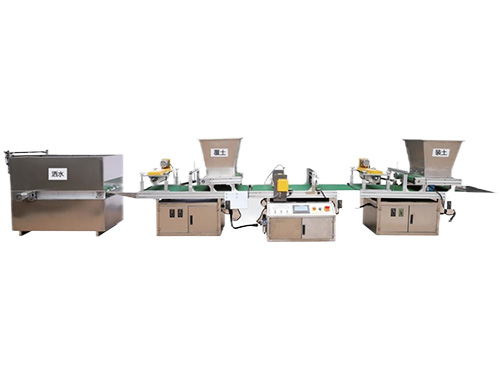
It adopts electrical integration and can be started by pressing the fully automatic button ...
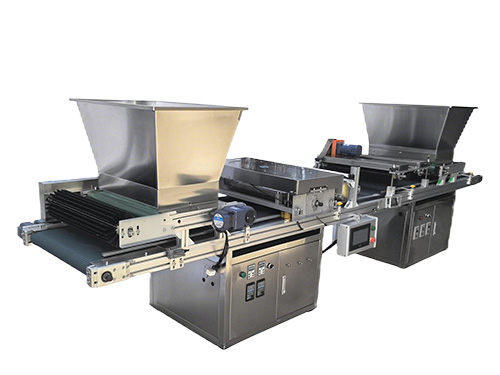
The XP750 seeder has stable performance, excellent product quality, simple and convenient o...
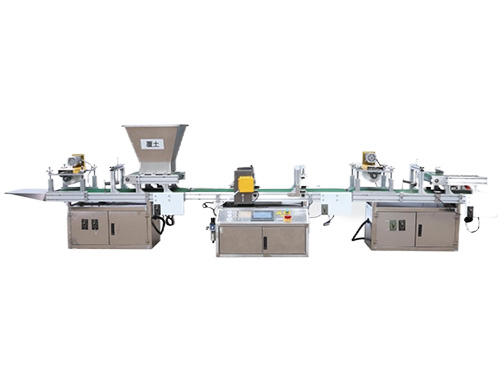
It adopts electrical integration and can be started by pressing the fully automatic button ...