





Seedling Tray Selection for Different Crop Categories: Vegetables, Flowers, and Fruits
2026-07-03 15:06:05
Introduction
The seedling tray requirements of a lettuce producer are fundamentally different from those of a geranium producer, which in turn differ from those of a strawberry nursery. These differences span cell volume, cell geometry, nursery residency period, environmental requirements, and transplant handling characteristics. Treating all crops as equivalent in tray specification ignores decades of horticultural research and the accumulated practical experience of commercial operations that have optimized their tray programs for specific crop types.
A commercial nursery that produces multiple crop categories needs a differentiated tray strategy rather than a one-size-fits-all approach. This requires understanding the specific physiological characteristics of each crop group and translating those characteristics into tray specification requirements. The investment in this understanding pays consistent dividends across every production cycle.
Vegetable Seedling Production: Speed, Uniformity, and Field Transplant Timing
Vegetable seedling production is typically optimized for speed and uniformity, with cell volumes ranging from 10 milliliters for short-cycle salad greens up to 80 milliliters for fruiting vegetables that require four to six weeks of nursery development. The economic model for vegetable transplants is volume-driven, which means that per-unit tray cost is a primary consideration alongside germination rate and transplant efficiency. Low-cost, high-density trays that maximize plants per square meter of bench space during peak season are standard in commercial vegetable transplant production. Uniformity across the tray is critical in vegetable production because uneven germination or growth variation translates directly to non-uniform harvest timing in the field. Trays that produce uniform germination and consistent seedling vigor across all cells—regardless of their position on the tray—reduce the culling rate and the variability in transplant dates that complicates field management. This uniformity requirement favors trays with consistent cell geometry, precise cell-to-cell drainage, and materials that maintain stable dimensions throughout the nursery cycle. Tomatoes, peppers, eggplant, cucurbits, brassicas, and alliums each have specific nursery cycle lengths and cell volume requirements. A diversified vegetable nursery typically maintains three to four tray format families to serve crops with different nursery residency requirements efficiently.
Ornamental Flower Seedling Trays: Precision and Aesthetic Quality Standards
Ornamental flower production imposes quality standards that go beyond agronomic performance to include aesthetic criteria such as plant height, branching habit, flowering time, and foliage color. These characteristics are influenced by the nursery phase through effects on root development, transplant timing, and early nutrition that set the trajectory for the plant throughout its productive life. Flower seedlings that are slightly stressed in the nursery—slightly restricted root volume, moderate moisture stress—often produce more compact, better-branched finished plants than those grown in overly generous conditions. The cell volume requirements for ornamental flower production span a wide range depending on the crop and the target finished container size. Bedding plant annuals such as impatiens, petunias, and begonias typically use 10 to 25 milliliter cells for six to eight weeks of nursery production, while larger-flowered specialty annuals may require 40 to 60 milliliters. Perennial flower seedlings often require even larger cells and longer nursery cycles, with some species spending 12 to 16 weeks in the nursery before reaching transplantable size. Scheduling precision is more critical in ornamental flower production than in vegetable production because flower crops typically have specific market windows tied to holiday seasons and landscape installation calendars. Tray format selection must support the scheduling accuracy these market windows demand, which means selecting cell counts and nursery residency periods that produce transplantable seedlings at precisely the right time.
Fruit Tree and Berry Nursery Production: Longer Cycles and Larger Cells
Fruit tree and berry nursery production uses larger cell formats and longer nursery cycles than most other crop categories, with some tree species spending one to two years in nursery containers before reaching field-plantable size. The cell volumes required for tree and shrub production range from 100 to over 1,000 milliliters, and the trays themselves are often structurally reinforced to support the larger growing medium volumes and the greater top重量 of mature nursery stock. Root architecture quality is particularly important in fruit tree production because the structural root system established in the nursery container determines the tree stability and long-term orchard productivity. Air-pruning cell designs that prevent root circling are widely adopted in commercial fruit tree nursery production because they produce superior root architectures that establish faster and more reliably after field planting. The additional cost of air-pruning root controller trays is justified by the improvement in field establishment performance. Berry crops such as strawberries, blueberries, and raspberries have different nursery requirements again, with relatively short nursery cycles but specific nutritional and environmental requirements that affect fruit quality. Strawberry runner production in particular uses specialized tray formats designed for the horizontal stolon growth habit and the specific timing requirements of runner plant production.
Herb Seedling Trays: Specialty Requirements for High-Value Crops
Herb seedling production occupies a specialized niche in the commercial seedling market, with a combination of high value per plant, specific quality requirements, and niche growing conditions that require careful tray and crop management. Many herbs—including basil, cilantro, parsley, and chives—are harvested as whole plants at a relatively small size, which means that nursery uniformity and harvest timing precision directly determine the market quality of the finished product. Organic herb production is a particularly demanding segment because organic certification requirements constrain the pest management and nutrition inputs available during the nursery phase. The seedling tray and growing medium selection must be optimized for organic conditions from the outset, as organic practices implemented after transplanting cannot fully compensate for nursery phase deficiencies. Specialty herbs such as microgreens and baby leaf crops are increasingly produced in controlled-environment agriculture facilities using multi-cell tray formats designed for high-density production. These specialized formats require trays with very high cell counts, uniform germination performance, and rapid growth rates that distinguish them from conventional nursery tray applications.
Building a Multi-Crop Tray Program for Diverse Commercial Operations
Commercial operations producing multiple crop categories benefit from a tiered tray strategy that matches tray format to the specific requirements of each category rather than using a single tray type for everything. This does not require maintaining a large inventory of exotic tray formats; most multi-crop operations can serve their needs with three to five core tray formats covering the main categories of cell volume and geometry. Standardizing on a limited number of tray external dimensions while varying cell count and geometry across those formats simplifies logistics, reduces cart and bench configuration complexity, and enables the same handling equipment to serve multiple crop categories. A manufacturer that offers a range of cell counts and geometries within standardized external dimensions can support this differentiated strategy efficiently.
Conclusion
Commercial growers who understand the full scope of factors affecting their seedling tray performance—and who work with suppliers and manufacturers that provide genuine technical depth rather than just catalog products—consistently achieve better production outcomes than those who treat tray selection as a commodity decision. The investment of time and attention in understanding tray science and matching specifications to operational requirements pays compounding returns across every production cycle and every market season.
European Nursery Stock Association (ENA). (2023). Technical Guide for Nursery Production Systems. ENA Brussels.
University of Florida Institute of Food and Agricultural Sciences (UF IFAS). (2023). Nursery Production Best Management Practices. UF IFAS Extension.

The CNC Seed Braiding Machine is a high-precision, fully automated agricultural equipment s...
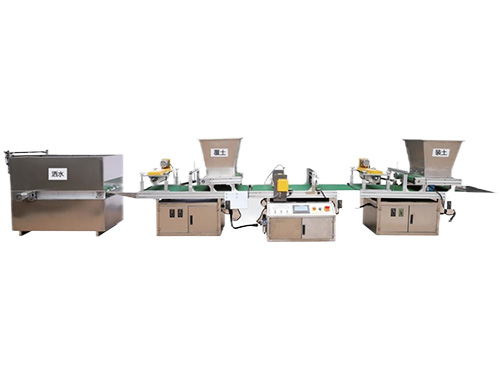
It adopts electrical integration and can be started by pressing the fully automatic button ...
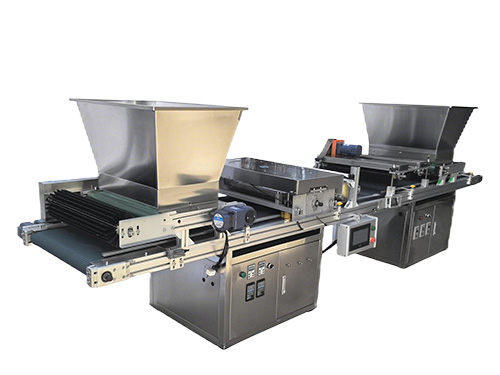
The XP750 seeder has stable performance, excellent product quality, simple and convenient o...
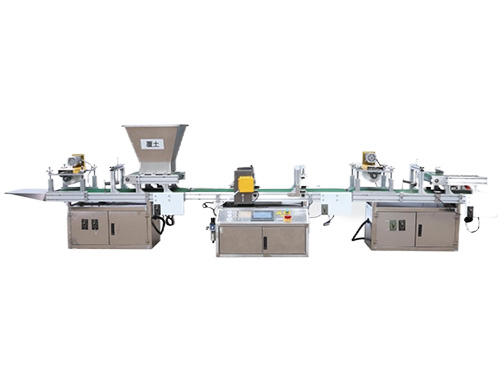
It adopts electrical integration and can be started by pressing the fully automatic button ...