





How Drainage Design in Seedling Trays Affects Root Health and Yield
2026-07-27 17:41:00
Introduction
Water management in seedling production is one of the most technically demanding aspects of greenhouse horticulture, and the seed tray is the primary vessel controlling it. How a tray drains, how quickly excess water exits the cell, and how uniformly water is distributed across a tray of seedlings are all determined by the drainage design embedded in the tray. These are not cosmetic features—they are engineering decisions that directly influence root health, disease susceptibility, and ultimately the yield potential that each seedling carries into the field.
For commercial growers, understanding the science of drainage design transforms the tray from a commodity container into a precision growing instrument. A manufacturer that engineers drainage systems based on horticultural science rather than lowest-cost manufacturing provides trays that support better outcomes at every stage of the nursery cycle. This article examines the key drainage design variables and how they affect commercial growing results.
Why Drainage Is the Most Critical Factor in Cell Design
The root zone in a seedling tray cell operates within a thin film of water and air that sits between field capacity—the water held after free drainage—and the wilting point where the plant can no longer extract moisture. In a closed-bottom cell, this thin zone sits atop a perched water table that forms as water accumulates above the drainage hole. The height of this perched water table is determined by the drainage hole size, the cell geometry, and the growing medium texture. In oversized drainage holes, water exits too quickly and the medium dries unevenly. In undersized holes, waterlogging creates anaerobic conditions that promote Pythium and Phytophthora root rot. Most commercial growers do not think about perched water tables until a crop problem surfaces, and by then the damage to root development has already occurred. Prevention requires understanding the interaction between drainage design and the specific growing medium in use, which is why a qualified manufacturer can be a valuable technical resource when specifying tray drainage parameters.
Drainage Hole Size, Placement, and Flow Rate Engineering
Drainage hole size is the primary control variable for water exit rate from each cell. The fundamental principle is that hole cross-sectional area must be large enough to prevent waterlogging under normal irrigation rates while not so large that the growing medium dries excessively between irrigation cycles. In practice, hole diameters of 6 to 10 millimeters work well for most standard cell configurations in the 20 to 60 milliliter cell volume range. Hole placement is equally important as hole size. Drainage holes positioned at the lowest physical point of the cell floor—rather than offset to one side—prevent water pooling in the cell and ensure complete drainage after each irrigation event. Cells with multiple small drainage holes distributed across the floor drain more evenly than single-hole configurations, particularly in wider square cells where the center may hold water if only a single perimeter hole is provided. For automated irrigation systems using ebb-and-flow or flood-floor methods, drainage hole flow rate must be matched to the irrigation cycle duration. If water cannot exit the cell quickly enough between irrigation pulses, the medium remains saturated and roots suffer oxygen deprivation. A manufacturer can specify drainage flow rates that match specific automated irrigation system configurations.
How Cell Shape Influences Moisture Distribution Across the Tray
Cell geometry interacts with drainage design to determine how water moves through the growing medium in the cell. In conical or tapered cells, the tapered walls naturally guide water toward the drainage hole at the narrow base, creating a predictable drainage path. In cylindrical round cells, water can move laterally toward drainage holes positioned at the wall rather than the base, creating uneven drainage patterns across the cell volume. Square cells with flat interior walls drain more predictably than round cells because the flat surfaces direct water straight down to the drainage hole without lateral deviation. This predictability makes square cell trays easier to manage in automated irrigation systems where drainage timing must be consistent from cell to cell to maintain uniform moisture across the tray.
Preventing Root Disease Through Proper Drainage Management
Root diseases are among the most costly problems in commercial seedling production, and drainage mismanagement is a primary contributing factor. Pythium species, commonly called water mold, thrive in saturated, oxygen-depleted growing medium. When trays are overwatered and drainage is inadequate, Pythium colonizes the root zone rapidly, causing seed rot before germination, damping-off of emerged seedlings, and root rot in established transplants. The economic impact of a Pythium outbreak can be catastrophic—a single infected tray can contaminate the entire production block before symptoms are detected. Phytophthora species present similar challenges, with the additional complication that they can survive in tray residues and biofilm for extended periods even after cleaning. Prevention through correct drainage design is far more cost-effective than disease management after an outbreak occurs. Trays with well-designed drainage systems reduce the duration of saturated conditions in each irrigation cycle, creating an environment less favorable for pathogen proliferation. Good drainage also supports beneficial soil microbial activity in the root zone, including mycorrhizal fungi and beneficial bacteria that compete with pathogenic organisms and contribute to plant health. Waterlogged conditions suppress these beneficial communities, creating ecological space for pathogen colonization. The link between drainage design and biological disease suppression is an emerging area of research with significant practical implications for tray specification.
Choosing Tray Drainage Specifications for Your Growing Environment
The drainage specification that is optimal for one growing environment may be suboptimal for another, which is why tray selection should be informed by the specific irrigation system, growing medium, and climate conditions of each operation. A manufacturer with technical depth in drainage engineering can help buyers navigate these specification choices rather than simply ordering catalog products. For operations using overhead misting systems with short, frequent irrigation cycles, smaller drainage holes may be appropriate to prevent rapid medium drying between misting events. For operations using drip irrigation with longer cycles and larger water volumes, larger drainage holes that accommodate rapid water throughput are essential to prevent waterlogging. Matching these specifications requires understanding the irrigation system as deeply as understanding the tray.
Conclusion
Commercial growers who understand the full scope of factors affecting their seedling tray performance—and who work with suppliers and manufacturers that provide genuine technical depth rather than just catalog products—consistently achieve better production outcomes than those who treat tray selection as a commodity decision. The investment of time and attention in understanding tray science and matching specifications to operational requirements pays compounding returns across every production cycle and every market season.
Australian Institute of Horticulture. (2023). Nursery Production Standards and Guidelines. Australian Horticulture.
Oregon State University Extension Service. (2023). Greenhouse Technology and Nursery Automation. OSU Extension.

The CNC Seed Braiding Machine is a high-precision, fully automated agricultural equipment s...
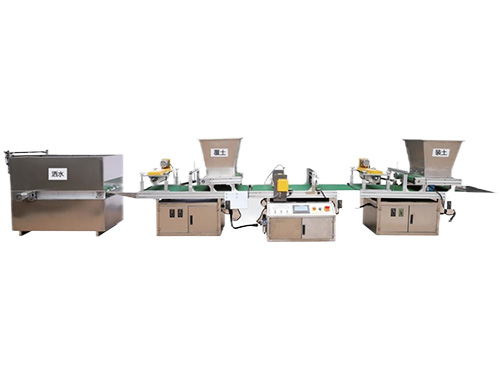
It adopts electrical integration and can be started by pressing the fully automatic button ...
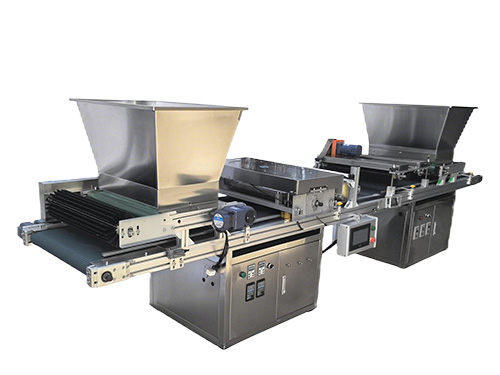
The XP750 seeder has stable performance, excellent product quality, simple and convenient o...
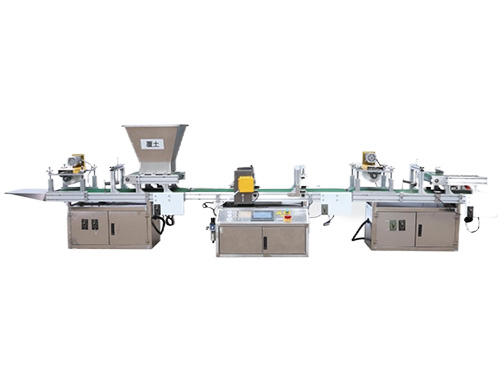
It adopts electrical integration and can be started by pressing the fully automatic button ...