





Seedling Tray Drainage Mats: Improve Root Health and Water Management
2026-10-08 16:57:06
Water is both the lifeblood and the biggest risk in seedling production. Too little, and seedlings wilt and stall; too much, and roots suffocate, rot and invite disease. For commercial nurseries, managing moisture uniformly across thousands of trays is one of the hardest operational challenges there is.
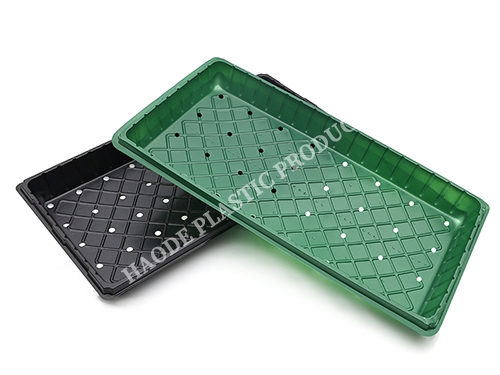
Seedling tray drainage mats exist to solve this problem. Placed beneath trays, they regulate water movement — either wicking moisture up through capillary action or draining excess away — so that every seedling receives consistent hydration without waterlogging.
This guide explains how drainage mats and related water management products work, the difference between capillary matting and drainage boards, and how to choose the right system for your operation.
Why Water Management Decides Seedling Quality
Seedling uniformity is driven largely by moisture uniformity. Inconsistent watering produces uneven germination, variable growth rates and a patchy crop that complicates transplanting and sale. Overwatering, meanwhile, is the leading cause of damping-off and root disease in young plants.
Proper water management also affects nutrient delivery. Fertigation relies on consistent moisture to distribute soluble nutrients evenly through the medium. When water is uneven, nutrition is uneven — and so is the crop.
What Are Drainage Mats and How Do They Work
Drainage mats are placed under seedling trays or growing benches to manage water flow. Two mechanisms dominate. Drainage boards channel excess water away, preventing trays from sitting in standing water. Capillary mats, by contrast, hold water and release it upward into the tray through the drainage holes, supplying moisture from the bottom.
Both approaches reduce hand-watering labor and improve consistency, but they suit different production styles — top-watering versus bottom-watering — and different crops.
Capillary Matting vs Drainage Boards
| Feature | Capillary Mat | Drainage Board |
|---|---|---|
| Water direction | Wicks upward (bottom watering) | Drains downward (top watering) |
| Labor | Low (self-watering) | Moderate |
| Uniformity | Excellent | Good |
| Best for | Plug trays, cuttings, greenhouse benches | General nursery, outdoor areas |
| Disease risk | Lower foliage disease | Lower root rot |
Capillary mats shine in greenhouses where bottom watering keeps foliage dry and reduces foliar disease. Drainage boards are the workhorse for general nursery production, protecting roots from standing water and improving aeration.
Bottom Watering and Uniform Moisture Distribution
Bottom watering via capillary action draws moisture evenly through the medium from below. This produces remarkably uniform moisture levels across an entire bench, because every tray draws from the same water source at the same rate. It also keeps leaves dry, which suppresses fungal pathogens like botrytis and powdery mildew.
For growers producing delicate plugs or cuttings, bottom watering is often the single most effective change they can make to improve germination consistency and reduce disease.
Improving Root Health and Reducing Disease
Healthy roots need both moisture and oxygen. Drainage systems that prevent waterlogging maintain the air pockets in the medium that roots require to respire. At the same time, by eliminating surface wetness, capillary mats reduce the conditions that favor damping-off and other seedling diseases.
The result is a stronger, more resilient root system that transplants cleanly and establishes quickly — the same root-quality outcome that drives plug sales and repeat business.
Choosing the Right Drainage System for Your Nursery
The right choice depends on your crop, irrigation style and environment. Bottom-watering operations with plugs and cuttings benefit most from capillary matting. Nurseries that top-water and manage larger container stock benefit from drainage boards. Many operations use both in different zones.
Consider your bench layout, water source and labor availability when selecting. Haode New Material supplies drainage mats, drainage boards and tray chassis designed to integrate with its seedling trays for a complete, matched water management system.
Maintenance and Cleaning Best Practices
Drainage mats and boards accumulate salts, algae and pathogens over time and should be cleaned between crop cycles. Rinse and sanitize capillary mats regularly, and replace them when they become compacted or clogged, which reduces their wicking efficiency. Clean drainage boards with a sanitizing solution and ensure channels remain unobstructed.
Regular maintenance extends the life of your drainage system and prevents the buildup that leads to disease outbreaks — protecting both your equipment investment and your crop.
Frequently Asked Questions
What is the difference between a drainage mat and a drainage board?
A capillary mat wicks water upward for bottom watering, while a drainage board channels excess water downward and away from the tray.
Can drainage mats reduce seedling disease?
Yes. Bottom watering keeps foliage dry, suppressing foliar diseases, while good drainage prevents the waterlogging that causes root rot.
Are capillary mats suitable for all crops?
Capillary mats are ideal for plugs, cuttings and greenhouse production. Larger container stock is often better served by drainage boards.
How often should drainage mats be cleaned?
Clean and sanitize mats between crop cycles to remove salts, algae and pathogens, and replace them when they become compacted or clogged.
Do drainage mats reduce labor?
Yes. Self-watering capillary systems significantly reduce hand-watering labor and improve moisture consistency.
Can I use drainage mats with seedling trays from any supplier?
Drainage systems work best when sized to your trays. Matched tray and drainage systems from one supplier ensure proper fit and performance.
Conclusion
Water management is the invisible driver of seedling quality. Drainage mats and boards give growers precise control over moisture, improving root health, reducing disease and cutting labor. Choosing the right system for your crop and irrigation style is one of the highest-value operational decisions you can make.
Explore matched seedling trays and drainage solutions at haodeseedtray.com to build a more consistent, efficient growing operation.

The CNC Seed Braiding Machine is a high-precision, fully automated agricultural equipment s...
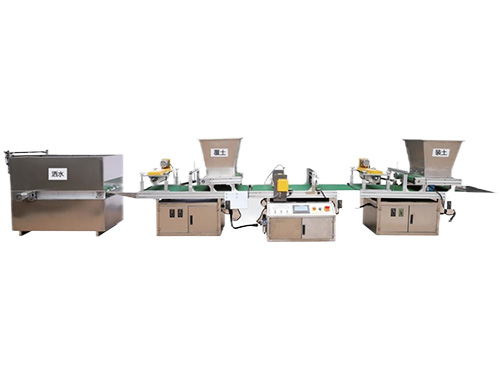
It adopts electrical integration and can be started by pressing the fully automatic button ...
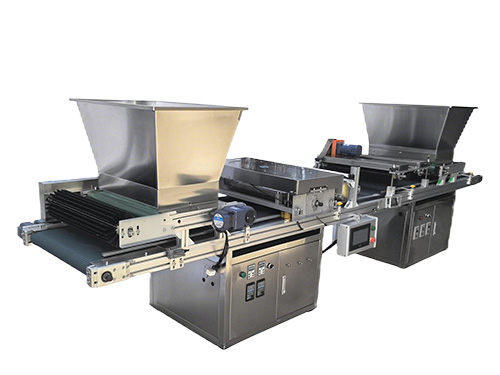
The XP750 seeder has stable performance, excellent product quality, simple and convenient o...
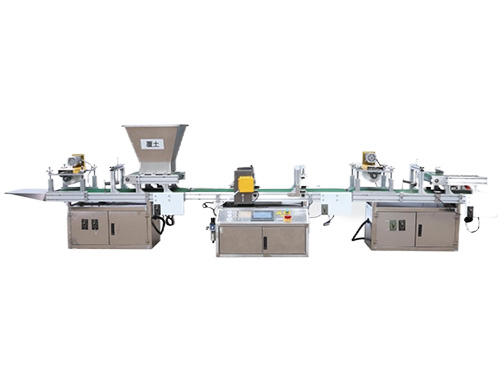
It adopts electrical integration and can be started by pressing the fully automatic button ...