





Root Control Enclosures for Landscaping and Urban Tree Planting
2026-10-06 16:40:39
Urban trees are planted to beautify and cool our cities, but their roots can become a costly liability. Uncontrolled surface roots crack sidewalks, heave roads, invade pipes and damage building foundations — damage that costs municipalities and property owners millions in repairs every year.
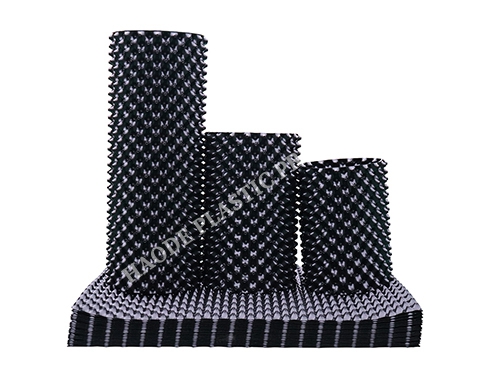
Root control enclosures solve this problem by guiding root growth downward instead of letting it spread along the surface. Installed around the root ball at planting time, they protect infrastructure while keeping the tree healthy. For landscapers, arborists and urban planners, they are an essential tool in any tree planting project.
This guide explains how root control enclosures work, their benefits, and how to install and choose the right one for your project.
The Hidden Cost of Uncontrolled Tree Roots
Tree roots naturally grow where moisture, oxygen and nutrients are most available — typically the upper soil layers near the surface. In urban environments, this means roots gravitate toward the space beneath pavement, where they cause uplift and cracking. Repairs are expensive, recurring and often harm the tree when roots are cut during the work.
Preventing this damage at planting time is far cheaper and more effective than repairing it later. Root control enclosures address the problem at its source.
What Are Root Control Enclosures
A root control enclosure is a barrier installed around a tree's root ball during planting. It confines the initial root zone and directs roots downward into deeper soil rather than outward along the surface. Over time, the tree develops a deeper, more stable root system that does not interfere with nearby infrastructure.
Enclosures are typically made of durable plastic or fabric and are sized to match the tree's root ball, providing guidance without strangling the roots.
How Enclosures Direct Root Growth Downward
The enclosure works by presenting a physical barrier to horizontal root spread while leaving an open path downward. Roots that encounter the enclosure wall are deflected downward, where they can access deeper soil moisture. This produces a deeper, anchoring root structure that improves wind stability and reduces surface root conflicts.
Critically, the design allows water and nutrients to pass through, so the tree is not starved — only the direction of root growth is managed.
Protecting Pavement, Roads and Utilities
By preventing surface root spread, enclosures dramatically reduce the root pressure that lifts pavement and cracks concrete. They also keep roots away from shallow utilities, drains and building foundations, cutting maintenance costs and extending the life of surrounding infrastructure.
For municipalities and property developers, this protection translates into direct cost savings over the life of the landscape — the primary reason root control is now specified in many urban tree standards.
Improving Urban Tree Health and Longevity
Root control is not just about protecting infrastructure — it also benefits the tree. A deeper root system is more drought-tolerant, because it reaches moisture that surface roots cannot. It is also more stable, reducing wind-throw risk. Trees planted with enclosures tend to establish more reliably in the challenging conditions of urban soil.
The result is healthier, longer-lived trees and fewer conflicts between green infrastructure and built infrastructure — a win for both.
Installation Best Practices
Proper installation is essential for enclosures to work. Size the enclosure to the root ball, position it so the top edge sits slightly above grade, and backfill carefully to avoid air pockets. Leave the enclosure's openings unobstructed so roots can move downward freely. Avoid installing enclosures that are too small, which can girdle the tree and cause decline.
Following manufacturer guidance on sizing and depth is the single most important factor in successful root control.
Choosing the Right Enclosure for Your Project
| Project Type | Recommended Approach | Key Consideration |
|---|---|---|
| Street tree planting | Root control enclosure | Pavement and utility protection |
| Park and open space | Enclosure optional | Root conflict risk lower |
| Commercial landscaping | Enclosure + root barrier | Foundation and hardscape protection |
| Large specimen trees | Deep enclosure | Anchor root development |
Selecting the right enclosure means matching its size, depth and material to the tree species, root ball and site conditions. Haode New Material supplies root control enclosures and related landscaping root devices for urban and commercial planting projects.
Frequently Asked Questions
What does a root control enclosure do?
It guides tree roots downward instead of outward along the surface, protecting pavement and utilities while promoting a deeper, more stable root system.
Do root control enclosures harm the tree?
No. Properly sized enclosures direct root growth without strangling it, allowing water and nutrients through while encouraging downward development.
Can root control prevent sidewalk cracking?
Yes. By preventing surface root spread, enclosures reduce the root pressure that lifts and cracks pavement.
How deep should a root control enclosure be?
Depth should match the tree's root ball and species requirements; following manufacturer sizing guidance is essential to avoid girdling.
Are root control enclosures reusable?
They are typically installed permanently with the tree, though some rigid designs can be retrieved and reused in certain applications.
Where are root control enclosures most needed?
They are most valuable in urban and commercial settings where tree roots could conflict with pavement, roads, utilities or building foundations.
Conclusion
Root control enclosures are a small investment that prevents large, recurring costs — protecting infrastructure while producing healthier, more stable trees. For landscapers, arborists and urban planners, they are a best practice that pays dividends over the life of every planting.
Explore root control enclosures and landscaping root solutions at haodeseedtray.com to protect your next project.

The CNC Seed Braiding Machine is a high-precision, fully automated agricultural equipment s...
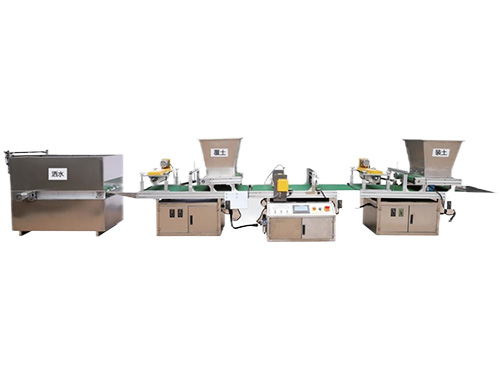
It adopts electrical integration and can be started by pressing the fully automatic button ...
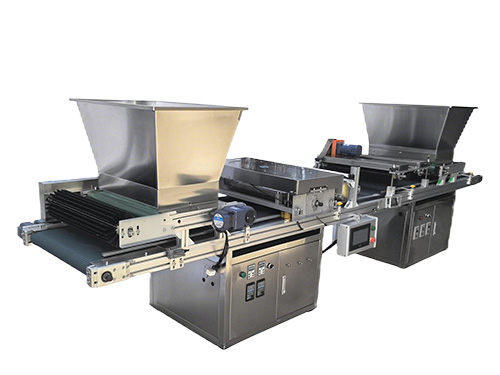
The XP750 seeder has stable performance, excellent product quality, simple and convenient o...
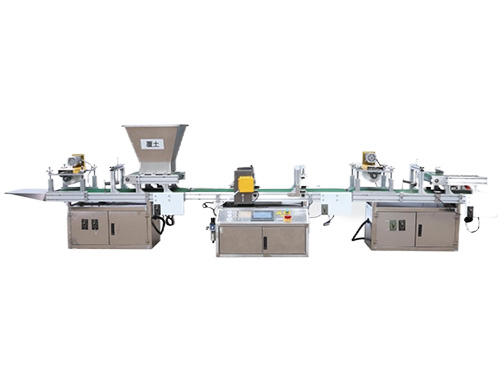
It adopts electrical integration and can be started by pressing the fully automatic button ...