





Root Control Containers: The Complete Guide to Preventing Root Binding
2026-10-04 16:28:58
A tree's long-term health is decided underground, long before anyone sees the canopy. In traditional smooth-walled pots, roots circle the container wall, spiral inward and eventually choke the plant — a condition known as root binding. The damage is often invisible until years after transplanting, when the tree topples or declines without explanation.

Root control containers solve this problem at the source. By using air pruning and guided root channels, they encourage a dense, fibrous, well-distributed root system that transplants cleanly and establishes quickly. For nurseries, landscapers and urban forestry projects, they are a foundational tool for producing structurally sound trees.
This guide explains how root control technology works, the available options, and how to choose and deploy the right container for your project.
What Is Root Binding and Why It Damages Trees
When a root tip hits a smooth, impermeable container wall, it deflects and keeps growing in a circle. Over time, these circling roots form a tight mass that strangles the trunk, restricts water and nutrient uptake, and creates a structurally unstable root ball. Trees with root-bound systems are more likely to blow over in storms and to die from girdling roots years after planting.
The problem is widespread because root binding develops silently. By the time symptoms appear in the canopy, the root system may be irreversibly compromised. Prevention at the container stage is the only reliable cure.
How Air Pruning Works in Root Control Containers
Root control containers exploit a natural process: when a root tip reaches air, it stops growing and produces lateral branches instead. This is called air pruning. Containers with perforated walls or vertical ribs expose root tips to air, causing them to self-prune and stimulate dense secondary root growth within the medium.
The result is a root ball packed with fine, fibrous roots rather than a few thick circling ones. This structure dramatically improves transplant survival and early establishment, because the tree has far more root surface area to absorb water and nutrients once planted.
Types of Root Control Containers
Root control technology comes in several forms, each suited to different scales and applications:
Root control containers (rigid): Perforated or ribbed pots for nursery growing and retail.
Root control enclosures: In-ground fabric or plastic barriers that direct roots downward while preventing surface spread — used to protect pavements and infrastructure.
Landscaping root control devices: Modular units that shape root growth for urban tree pits and green infrastructure.
Choosing among them depends on whether you are growing container stock, protecting urban infrastructure, or establishing trees in constrained spaces.
Benefits for Nursery and Landscaping Operations
The benefits of root control extend across the plant's entire lifecycle. Nurseries gain healthier, more marketable stock with higher transplant survival. Landscapers gain trees that establish faster and resist wind-throw. Urban projects gain protection from the root damage that cracks sidewalks, roads and foundations.
Root-controlled trees also tolerate longer holding times in the nursery without decline, giving growers flexibility in selling windows — a meaningful commercial advantage.
Choosing the Right Size and Configuration
Container size must match the tree's expected root volume at each growth stage. Too small, and roots circle before air pruning can take effect; too large, and you waste medium, water and bench space. As a rule of thumb, size up when roots begin to fill the existing container, and choose configurations with adequate drainage and ventilation for your climate.
Best Practices for Installation and Maintenance
For in-ground enclosures, install them at the correct depth and leave the top edge slightly above grade to prevent root escape. For containers, ensure the perforations are not blocked by soil or mulch, which would defeat air pruning. Regular inspection of the root ball helps you time up-potting correctly and catch any early circling.
Root Control vs Traditional Pots: A Comparison
| Feature | Root Control Container | Traditional Pot |
|---|---|---|
| Root architecture | Fibrous, air-pruned | Circling, bound |
| Transplant survival | High | Lower |
| Wind resistance | Strong | Weaker |
| Holding time in nursery | Longer | Shorter |
| Infrastructure protection | Excellent | None |
Frequently Asked Questions
What is air pruning?
Air pruning occurs when a root tip reaches air and stops growing, triggering the plant to produce lateral roots instead. This creates a dense, fibrous root system.
How do root control containers improve transplant survival?
By preventing circling roots and encouraging fine fibrous roots, they give trees far more root surface area to absorb water and nutrients after planting, boosting survival and establishment.
What is the difference between a root control container and an enclosure?
Containers are pots used for growing nursery stock, while enclosures are in-ground barriers that direct root growth downward to protect nearby infrastructure.
Can root control containers be reused?
Yes. Durable plastic root control containers can be cleaned and reused across multiple growing cycles, lowering cost per tree.
What size container should I start with?
Match the container size to the tree's expected root volume at its current growth stage, and size up when roots begin to fill the container.
Do root control enclosures really protect pavement?
Yes. By directing roots downward rather than allowing surface spread, enclosures reduce the root pressure that cracks sidewalks and roads.
Conclusion
Root binding is a preventable problem with serious long-term consequences. Root control containers and enclosures address it directly, producing structurally sound trees that transplant reliably and establish quickly while protecting surrounding infrastructure.
For nurseries, landscapers and urban forestry teams, investing in root control technology is an investment in tree longevity. Explore the range of root control solutions at haodeseedtray.com.

The CNC Seed Braiding Machine is a high-precision, fully automated agricultural equipment s...
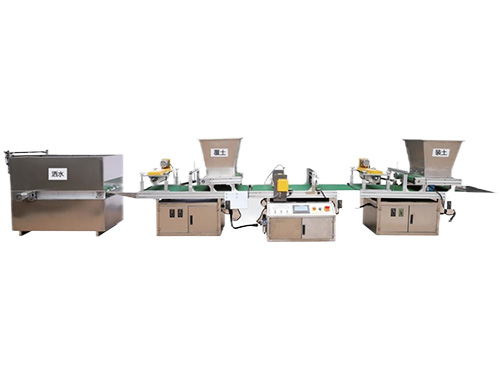
It adopts electrical integration and can be started by pressing the fully automatic button ...
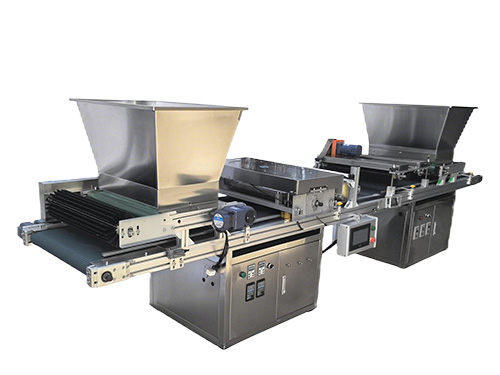
The XP750 seeder has stable performance, excellent product quality, simple and convenient o...
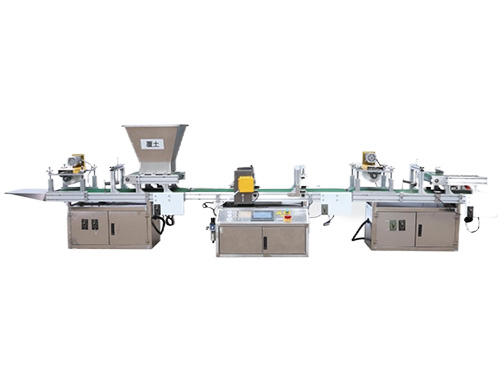
It adopts electrical integration and can be started by pressing the fully automatic button ...