





Seedling Tray Care During Off-Season Storage
2026-01-16 11:27:52
Why Off-Season Care of Seedling Trays Matters
For commercial growers and professional nurseries, seedling trays are essential tools that support consistent plant production throughout the year. While most attention is given to tray performance during active growing seasons, proper care during off-season storage is just as critical.
From a manufacturer and factory production perspective, seedling trays are designed for repeated use across multiple cycles. However, without correct off-season handling, even well-produced trays can suffer from warping, contamination, or premature aging. Effective storage practices help protect tray quality, reduce replacement costs, and support stable bulk supply planning.
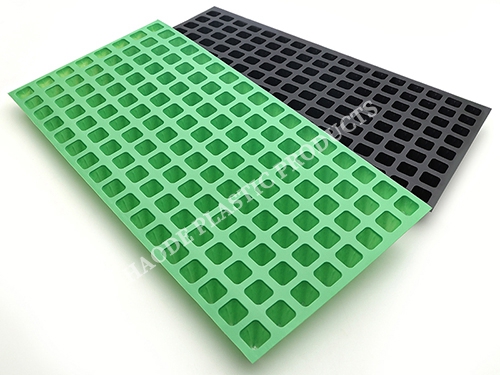
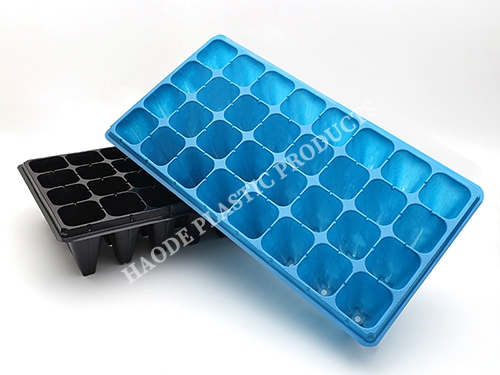
Understanding Off-Season Risks for Seedling Trays
When seedling trays are not in use, they face different types of stress compared to active production periods. Common off-season risks include:
·Residual moisture leading to mold or algae growth
·Stacking pressure causing deformation
·Exposure to extreme temperatures
·Dust and pest contamination
Factory-produced seedling trays are built for durability, but improper storage conditions can still reduce their service life.
Step 1: Proper Cleaning Before Storage
Before storing seedling trays, thorough cleaning is essential. Trays often retain soil particles, organic matter, and microorganisms after use. Leaving these residues can lead to disease buildup that affects future crops.
Recommended cleaning practices include:
·Removing all soil and root debris
·Washing trays with clean water
·Using mild disinfectants suitable for agricultural tools
·Allowing trays to dry completely before stacking
Manufacturers typically design seedling trays to withstand repeated cleaning, making this step a key part of long-term production planning.
Step 2: Drying and Moisture Control
Moisture is one of the biggest threats during off-season storage. Even small amounts of trapped water can encourage fungal growth or material degradation.
To reduce moisture-related issues:
·Air-dry trays in a well-ventilated area
·Avoid stacking trays while damp
·Store trays away from direct contact with floors
Factories handling bulk production often emphasize moisture control to maintain tray quality across large inventories.
Step 3: Correct Stacking Methods
Improper stacking is a common cause of tray deformation. Seedling trays should always be stacked evenly to distribute weight and prevent pressure points.
Best stacking practices include:
·Aligning trays carefully to avoid twisting
·Limiting stack height based on tray material strength
·Using flat surfaces to support stacks
Factory storage systems are designed to handle large volumes of trays while maintaining shape consistency—similar principles should be applied at the user level.
Step 4: Choosing the Right Storage Environment
The storage environment plays a major role in tray longevity. Seedling trays should be stored in locations that protect them from environmental extremes.
Ideal storage conditions include:
·Moderate, stable temperatures
·Low humidity levels
·Protection from direct sunlight
·Clean, enclosed spaces
Manufacturers plan production and warehousing around these conditions to ensure trays remain ready for immediate use when demand increases.
Step 5: Inspecting Trays During Storage
Even during the off-season, periodic inspection is recommended. Checking trays helps identify issues before they become widespread.
Inspection should focus on:
·Cracks or surface damage
·Warping or loss of shape
·Signs of mold or residue buildup
Early detection allows damaged trays to be repaired or removed, supporting consistent quality across future production cycles.
How Off-Season Care Supports Long-Term Production
From a production and factory supply viewpoint, well-maintained seedling trays contribute to smoother seasonal transitions. When trays are properly stored, growers can resume operations quickly without delays caused by cleaning or replacement.
This approach supports:
·Reduced operational downtime
·Lower inventory replacement costs
·More predictable bulk purchasing cycles
For large-scale users, these benefits directly impact efficiency and profitability.
Common Storage Mistakes to Avoid
To maximize tray lifespan, avoid these common mistakes:
·Storing trays while still wet
·Overstacking beyond recommended limits
·Leaving trays exposed to outdoor conditions
·Ignoring trays until the next season begins
Manufacturers design seedling trays for repeated use, but proper handling is essential to realize their full value.
Conclusion: Protecting Seedling Trays Beyond the Growing Season
Effective off-season storage is a critical yet often overlooked part of managing seedling trays. Through proper cleaning, drying, stacking, and environmental control, trays can maintain their structural integrity and hygiene across multiple seasons.
Produced in modern factories with scalable manufacturing processes, seedling trays are intended for long-term, repeated use and bulk supply. By following proven storage practices, growers can extend tray lifespan, protect their investment, and ensure reliable performance when the next growing season begins.
References
GB/T 7714:Daughtrey M L, Benson D M. Principles of plant health management for ornamental plants[J]. Annu. Rev. Phytopathol., 2005, 43(1): 141-169.
MLA:Daughtrey, Margery L., and D. Michael Benson. "Principles of plant health management for ornamental plants." Annu. Rev. Phytopathol. 43.1 (2005): 141-169.
APA:Daughtrey, M. L., & Benson, D. M. (2005). Principles of plant health management for ornamental plants. Annu. Rev. Phytopathol., 43(1), 141-169.

The CNC Seed Braiding Machine is a high-precision, fully automated agricultural equipment s...
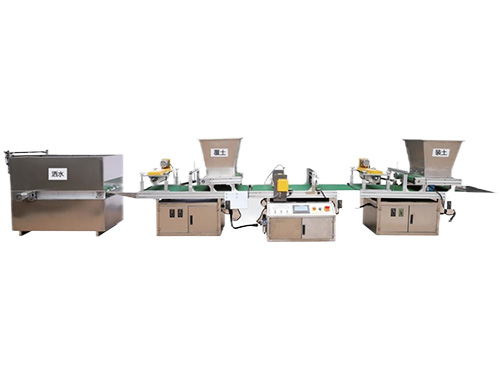
It adopts electrical integration and can be started by pressing the fully automatic button ...
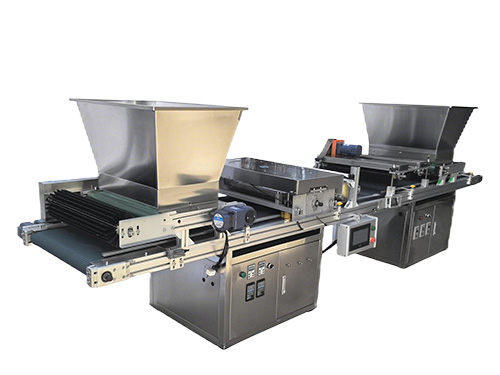
The XP750 seeder has stable performance, excellent product quality, simple and convenient o...
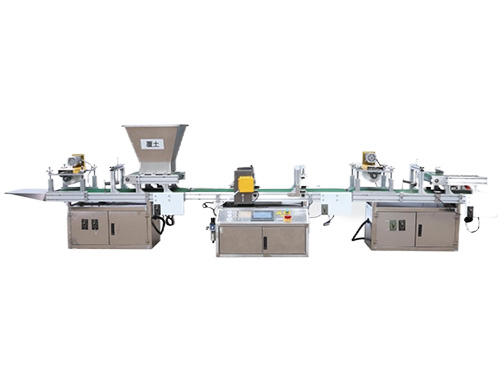
It adopts electrical integration and can be started by pressing the fully automatic button ...