





Maximizing Transplant Success Rates with the Right Seed Tray Strategy
2026-06-02 16:58:46
Introduction
Growing healthy seedlings begins long before seeds are placed into soil. The seed tray you choose shapes every stage of early plant development—from germination rates to root architecture at transplant time. Whether you operate a large commercial nursery or manage a small greenhouse operation, selecting the right tray can directly influence yield consistency and overall crop quality. The principles examined here draw on horticultural science research and manufacturer field experience to provide commercial growers with an evidence-based framework for seed tray decision-making.
Commercial seedling production is a precision operation where the choice of growing container directly affects the efficiency of every downstream process. Trays that are well-matched to their intended crop and growing conditions support uniform germination, healthy root development, and efficient transplant operations. Trays that are poorly matched create problems—root binding, uneven growth, transplant shock—that cost more to fix than the marginal price difference between a premium and an economy tray.

Understanding Transplant Shock and Its Primary Causes
Transplant shock is the collective physiological response a plant exhibits when its root system is disrupted during the move from a controlled greenhouse environment to an outdoor or field setting. It is not a single phenomenon but a combination of multiple stressors acting simultaneously: physical root damage during removal from the tray cell, sudden changes in temperature and humidity, increased solar radiation exposure, wind stress, and the adjustment to a new growing medium with a different microbial community and nutrient availability profile. The visible symptoms of transplant shock—wilting, leaf chlorosis, slowed growth—represent the plant diverting metabolic energy from growth to repair and regeneration. This energy redirection delays the establishment of new root functionality in the field and creates a period of vulnerability during which the seedling is most susceptible to environmental stresses. The duration and severity of this vulnerable period directly affect yield potential: a seedling that takes three extra days to establish in the field represents three days of lost photosynthetic productivity that cannot be recovered. The root system architecture established during the nursery phase is the primary determinant of how quickly and completely a seedling recovers from transplant shock. Seedlings with dense, well-branched root systems from properly designed air-pruning trays or appropriately sized cells recover more rapidly because they retain more functional root mass through the transplant process and can resume water and nutrient uptake more quickly. The tray selection decision made weeks before transplanting thus directly influences field performance outcomes.
Timing Seedling Removal from Plug Trays
Timing seedling removal from the plug tray is one of the most consequential decisions in the transplant process, and it is often made with insufficient attention to the indicators that matter most. The optimal removal timing is when the root system has colonized the full volume of the cell—visible through the drainage holes at the tray base as a dense white root network—but before the roots have begun to spiral or become rootbound. Rootbound seedlings that have been held too long in undersized cells suffer from depleted carbohydrate reserves and reduced root regeneration capacity. Visible indicators of optimal transplant readiness include roots visible at the cell base drainage holes, a root ball that holds together when the cell is inverted, and top growth that is proportional to the cell size without excessive height or legginess. Seedlings that are excessively tall relative to their cell size are often a sign of insufficient light or overwatering during the nursery phase and may perform poorly at transplant regardless of root development. Environmental conditions at the time of removal affect how well the seedling tolerates the transplant process. Cool, cloudy days with moderate humidity minimize transplant stress because they reduce the evapotranspiration demand on the seedling during the establishment period. Removal on hot, sunny, or windy days should be avoided where possible. When field operations must proceed during suboptimal weather conditions, transplanting during the late afternoon or early evening allows the seedling to begin recovery during the cooler nighttime period before facing a full day of environmental stress.
Hardening Off Protocols Before Field Transfer
Hardening off is the process of gradually acclimating seedlings to outdoor conditions before they are transplanted to the field. This process triggers physiological changes in the seedling that prepare it to withstand the environmental stresses of the field environment. Without adequate hardening off, seedlings are far more likely to experience severe transplant shock and may suffer permanent damage from frost, wind, or UV exposure that would not affect properly hardened plants. The hardening off process typically spans seven to ten days and involves progressive exposure to outdoor conditions. In the first two to three days, seedlings are moved to a shaded outdoor location for several hours, returning to the greenhouse overnight. Over the following days, exposure duration is extended, direct sunlight exposure is introduced for increasing periods, and nighttime temperatures are allowed to drop toward outdoor ambient levels. By the final days, seedlings are kept outdoors continuously day and night, with only frost protection if overnight temperatures drop below safe levels for the specific crop. Reduced irrigation during hardening off is essential to the process. Water stress signals the plant to develop deeper root systems in search of moisture, producing a more exploratory root architecture that serves the plant well after transplanting. Simultaneously, the reduced turgor pressure in the plant tissue makes it more flexible and less susceptible to mechanical damage during transplant handling. Over-watering during the hardening off phase undermines the entire process.
Root Ball Integrity and Handling Best Practices
Root ball integrity at the time of transplant directly determines how much functional root mass the seedling retains through the removal and handling process. Root balls that crumble during removal expose the root system to air and mechanical damage that delays establishment. Achieving good root ball integrity begins with appropriate cell size relative to the crop and growing medium selection that produces a cohesive root-medium mass. Proper moisture management in the hours before transplant removal prepares the root ball for optimal handling. The medium should be moist enough to hold together without being so saturated that the root ball is heavy and prone to compression damage. A moisture level equivalent to field capacity—the amount of water retained by the medium after free drainage—produces the best root ball cohesion. Trays should be watered the day before transplant and allowed to drain overnight to achieve this moisture state. Handling technique during removal should minimize mechanical stress on the root ball. For most cell formats, the preferred removal technique is a firm, positive push from the tray base using the thumb or a simple ejection tool, directing the root ball upward. Pulling the seedling by the stem risks stem damage, root ball compression, and root severance. For delicate crops or particularly deep cells, specialized root ball extraction tools provide more controlled force application.
Post-Transplant Care and Early Season Monitoring
Post-transplant care begins immediately after the seedling is placed in the field. Irrigation immediately after transplanting settles the soil around the root ball and ensures adequate moisture for the critical early root establishment period. The irrigation volume should be calibrated to moisten the root zone without creating waterlogged conditions that impede root growth into the surrounding field soil. Shade or wind protection during the first three to five days after transplant reduces evapotranspiration stress while the seedling regenerates its functional root system. Floating row cover, shade cloth, or temporary windbreaks are effective protective measures that can be removed once the seedlings show clear signs of active growth indicating successful establishment. Early season monitoring for the first two to three weeks after transplant should focus on identifying seedlings that are slow to establish or showing signs of transplant stress. These seedlings should be removed and replaced promptly with fresh transplants to maintain crop uniformity and avoid the yield penalty from gaps in the stand. The cost of a replacement seedling is far less than the yield loss from a gap in the final stand.
Conclusion
Commercial growers who invest time in understanding tray specifications and matching them to their specific production requirements consistently outperform those who purchase on price alone. The right tray supports every stage of the seedling production cycle—from initial sowing through field transplant—and pays dividends in reduced crop losses, lower labor inputs, and more consistent harvest timing. Whether you are sourcing trays as a first-time commercial buyer or reviewing your current supplier against market alternatives, the principles outlined here provide a framework for making evidence-based decisions that protect your production outcomes.
American Society for Horticultural Science (ASHS). (2022). HortScience: Advances in Seedling Production Technology. ASHS.
Australian Government Department of Agriculture, Fisheries and Forestry. (2023). Nursery Production and Biosecurity Guidelines. DAFF.

The CNC Seed Braiding Machine is a high-precision, fully automated agricultural equipment s...
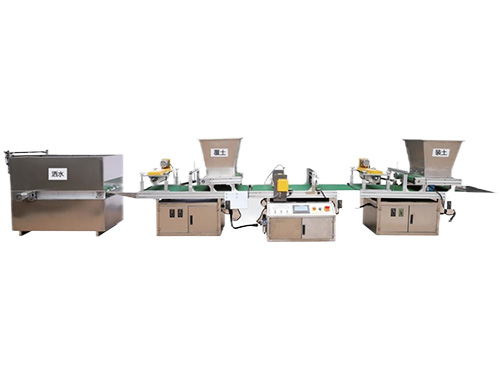
It adopts electrical integration and can be started by pressing the fully automatic button ...
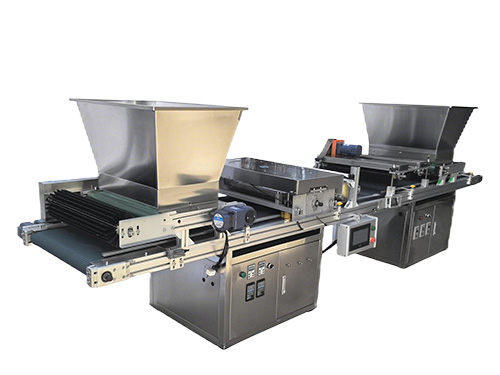
The XP750 seeder has stable performance, excellent product quality, simple and convenient o...
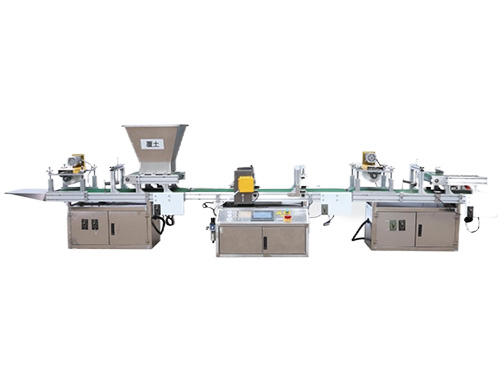
It adopts electrical integration and can be started by pressing the fully automatic button ...