





How to Select the Right Durable Plastic Seedling Trays for Your Crops
2026-05-01 18:15:00
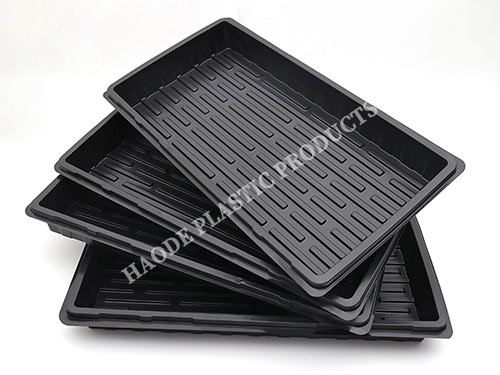
Durable plastic seedling trays serve as a vital element in contemporary agriculture and greenhouse cultivation. They exert a direct influence on the consistency of seed germination, the development of root systems, the success of transplanting, and the overall uniformity of crops. Selecting an appropriate tray is more than just a buying choice—it is a production strategy that has a bearing on both crop yield and farm profitability. This guide outlines the most crucial factors to take into account when picking durable plastic seedling trays for your crops, drawing on practical agricultural needs and industry benchmarks.
1. Understand Your Crop’s Root System Needs
Various crops exhibit distinct root development patterns, and this is the primary factor to consider when selecting seedling trays. Shallow-rooted crops like lettuce call for standard cell depth, whereas deep-rooted crops such as tomatoes and peppers require deeper cells to facilitate vertical root growth. Utilizing properly designed durable plastic seedling trays ensures that roots can grow naturally without constraints, enhancing plant stability after transplanting.
2. Select the Appropriate Cell Size and Configuration
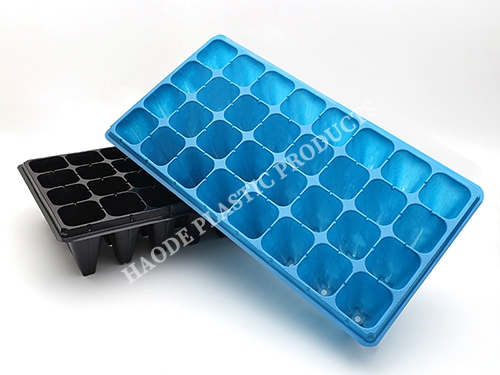
The size of the cells dictates the amount of space each seedling has for root expansion. Common configurations feature 32, 50, 72, 105, 128, and 200 cells per tray.
Fewer cells equate to more root space (ideal for crops with a long growth cycle)
More cells enable higher-density production (suitable for crops with quick turnover)
Choosing the right configuration helps strike a balance between nursery efficiency and plant quality in commercial production setups.
3. Assess Material Quality and Durability
High-quality plastic seedling trays are usually made from Polystyrene (PS) or Polyethylene Terephthalate (PET), both of which are extensively used in agricultural practices. Key aspects to consider regarding the material include:
Resistance to cracking and deformation
Capacity to withstand repeated use
Stability under sunlight and moist conditions
Compatibility with fertilizers and irrigation systems
Durable materials decrease the frequency of replacements and lower long-term production expenses.
4. Examine Drainage and Airflow Design
Adequate drainage is crucial for the healthy growth of seedlings. Poor drainage can lead to root rot, uneven moisture distribution, and weak seedlings. Well-designed durable plastic seedling trays come with:
Multiple drainage holes at the bottom
Raised structures to enhance airflow
Balanced performance in retaining and draining water
These features ensure optimal oxygen supply to the roots and promote healthier plant development.
5. Factor in Compatibility with Automation Systems
Modern agriculture relies more and more on automated seeding and transplanting systems. Therefore, tray compatibility is a key consideration. When choosing trays, make sure they meet the following criteria:
Standardized tray dimensions
Compatibility with automatic seeders
Uniform cell spacing for mechanical handling
Using standardized seedling trays boosts efficiency and cuts down on labor costs in large-scale farming operations.
6. Align Tray Type with Crop Production Objectives
Different production goals demand different tray designs:
Vegetable production → medium-depth plug trays
Forestry seedlings → deep cell trays
Herbs and flowers → flexible cell configurations
High-density nursery → multi-cell trays
Matching the tray type to your production goals ensures better crop performance and efficient use of resources.
7. Evaluate Reusability and Cost-Effectiveness
While the initial cost is important, long-term value holds greater significance in commercial agriculture. High-quality durable plastic seedling trays offer:
Multiple cycles of reuse
Reduced replacement costs
Less labor and material waste
Higher return on investment
Investing in durable trays enhances the overall profitability of the nursery over time.
8. Steer Clear of Common Mistakes in Tray Selection
Many growers make mistakes during selection that affect crop performance, such as:
Selecting trays based solely on price
Overlooking root depth requirements
Using tray sizes incompatible with automation
Choosing low-quality, thin plastic materials
Avoiding these mistakes helps maintain consistent seedling quality and reduces production risks.
9. Expert Insight: How Tray Selection Influences Yield
From an agronomic point of view, root development in the early stages determines the final productivity of the crop. If root growth is restricted or uneven, plants may struggle after transplanting, resulting in lower yields. Professionally selected durable plastic seedling trays support the development of a healthy root structure, which directly improves water absorption, nutrient uptake, and plant resilience.
Conclusion
Choosing the right durable plastic seedling trays for your crops requires careful consideration of crop type, root structure, tray size, material quality, and compatibility with your production system. By selecting the appropriate tray system, growers can significantly improve germination rates, transplant success, and overall crop uniformity. In modern agriculture, seedling trays are more than just containers—they are a fundamental tool for efficient and high-yield production.
References
GB/T 7714:Performance Evaluation of PS and PET Plastic Seedling Trays in Long-Term Greenhouse Reuse. Journal of Agricultural Engineering
MLA:Design Optimization of Drainage and Airflow Structures for Durable Plastic Seedling Trays. PLOS ONE
APA: Effects of Cell Size and Configuration of Plastic Seedling Trays on Crop Root Development and Yield. HortScience

The CNC Seed Braiding Machine is a high-precision, fully automated agricultural equipment s...
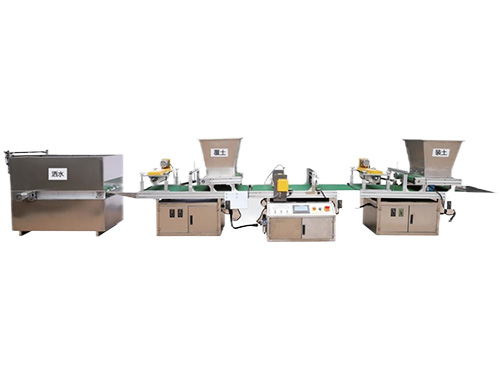
It adopts electrical integration and can be started by pressing the fully automatic button ...
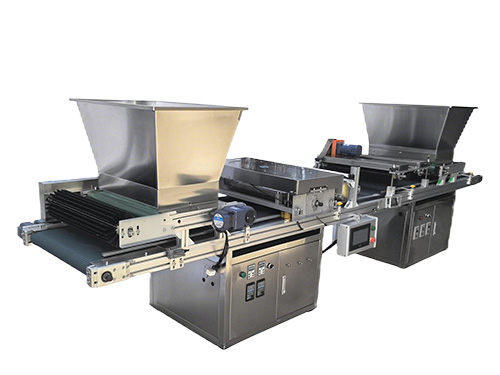
The XP750 seeder has stable performance, excellent product quality, simple and convenient o...
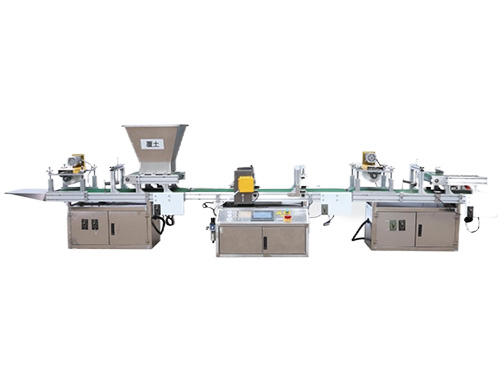
It adopts electrical integration and can be started by pressing the fully automatic button ...