





Best Deep Cell Seedling Trays for Strong and Healthy Transplants
2026-04-28 17:18:47
For modern growers—whether running a commercial greenhouse, a small nursery, or a large-scale farm—producing strong, healthy seedlings is the first step to a successful harvest. Deep cell seedling trays have become a game-changer in agriculture and greenhouse production, thanks to their ability to provide extra root space, support robust plant development, and deliver healthier transplants that thrive after planting. If you’re looking to boost transplant survival rates, reduce shock, and grow more resilient crops, choosing the right deep cell seedling trays is non-negotiable. In this guide, we’ll break down everything you need to know about deep cell trays—from their design and benefits to applications and selection tips—to help you make confident, profitable decisions for your operation.
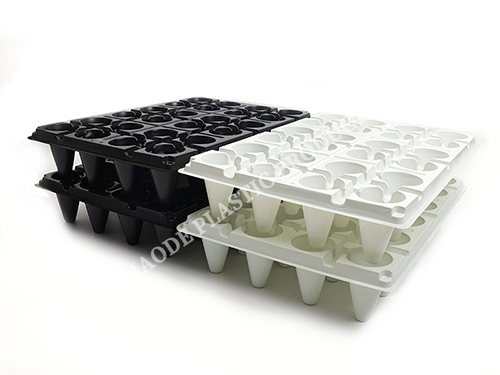
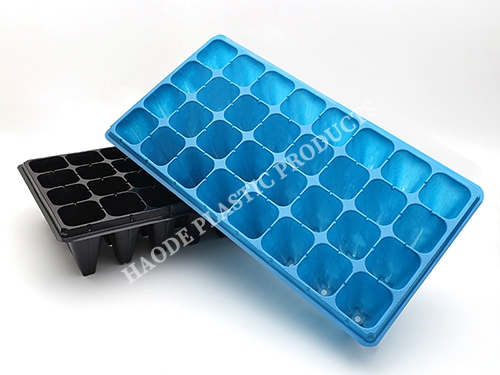
What Are Deep Cell Seedling Trays?
Deep cell seedling trays are specialized propagation containers with deeper, larger individual cells than standard seedling trays. Unlike shallow trays that restrict root growth, their unique design encourages roots to grow downward naturally, minimizing root binding (when roots wrap around themselves) and promoting the development of strong, extensive root systems. These trays are especially valuable for crops that require longer nursery periods or develop strong taproots—think tomatoes, peppers, certain flowers, and even tree seedlings. By giving roots the space they need to spread, deep cell trays set your seedlings up for success from day one.
Why Deep Cell Design Boosts Transplant Quality (And Why It Matters)
The biggest advantage of deep cell seedling trays lies in their ability to support vertical root growth. Shallow trays often force roots to curl upward or sideways, leading to weak root systems that struggle to adapt after transplanting. Deep cells eliminate this problem, allowing roots to expand freely downward. Here’s how this translates to better results for your farm or nursery:
Stronger root anchoring: Deep roots grip soil better after transplanting, reducing plant stress and improving stability.
Reduced transplant shock: Seedlings with well-developed root systems adapt faster to new growing conditions, minimizing wilting and setbacks.
Faster field establishment: Healthy roots mean quicker uptake of water and nutrients, so seedlings start growing vigorously sooner.
Higher survival rates: Stronger root systems are more resilient to environmental stress, leading to fewer lost seedlings and lower production costs.
For commercial growers, these benefits aren’t just nice to have—they directly lead to more uniform crop performance, better yield stability, and higher profits.
Where to Use Deep Cell Seedling Trays (Key Applications)
Deep cell seedling trays are versatile enough to fit nearly every agricultural and greenhouse operation. Here are their most common uses:
Vegetable production: Perfect for tomatoes, chili peppers, cucumbers, and other vegetables that need strong root systems to support heavy fruit.
Flower & ornamental nurseries: Ideal for growing flowering plants and bedding plants that require sturdy roots for transplanting into gardens or pots.
Herb cultivation: Works great for herbs like basil, rosemary, and mint, which benefit from deep roots to access water and nutrients.
Forestry & reforestation: Essential for tree seedlings, which need deep taproots to establish themselves in outdoor environments.
Whether you’re running a small home nursery or a large industrial farm, deep cell trays adapt to your needs—making them a versatile addition to any propagation setup.
Material Options: Which Is Best for Your Operation?
Most deep cell seedling trays are made from high-quality plastic, with two main materials dominating the market: PS (Polystyrene) and PET (Polyethylene Terephthalate). Each has its own strengths, so choosing the right one depends on your production needs:
PS (Polystyrene) Trays: Lightweight, cost-effective, and easy to use. Perfect for short-cycle production (e.g., quick-growing vegetables) where you may not need to reuse trays multiple times. Great for growers prioritizing cost efficiency.
PET (Polyethylene Terephthalate) Trays: Durable, strong, and resistant to impact and wear. Ideal for repeated use, especially in demanding greenhouse environments or large-scale operations. While slightly more expensive, they offer long-term value by reducing the need to replace trays frequently.
Both materials strike a balance between performance and cost, making them the go-to choices for commercial agriculture and greenhouse propagation.
Standard Sizes & Cell Configurations (Choose the Right Fit)
Deep cell trays come in a range of configurations to match different crop needs. The most common options include 32-cell, 50-cell, 72-cell, and 105-cell formats—all with deeper cells than standard trays.
Smaller cell counts (32-cell, 50-cell): Best for larger seedlings that need extra root space (e.g., tomato, pepper seedlings). These trays give roots room to grow without overcrowding.
Higher cell counts (72-cell, 105-cell): Ideal for compact nursery production (e.g., herbs, small flowers) where you want to maximize greenhouse space while still providing deep root support.
Choosing the right size ensures your seedlings get the optimal root volume—no wasted space, no restricted growth, and efficient use of your greenhouse or nursery area.
Key Advantages for Commercial Nursery Production
For professional growers, deep cell seedling trays offer a host of operational benefits that save time, money, and effort:
Improved root development: Stronger, deeper roots mean healthier, more resilient seedlings.
Higher transplant survival rate: Fewer lost seedlings translate to lower production costs and higher profits.
Better stress resistance: Seedlings with deep roots are more tolerant of drought, heat, and other environmental challenges.
Uniform crop growth: Consistent root space leads to uniform seedlings, making transplanting and crop management easier.
Reduced seedling loss during transport: Sturdy root systems hold soil better, minimizing damage when moving seedlings from nursery to field or greenhouse.
It’s no wonder deep cell trays are the preferred choice for modern commercial nurseries—they’re a simple, effective way to boost efficiency and quality.
How to Choose the Best Deep Cell Seedling Trays (Expert Tips)
Not all deep cell trays are created equal. To get the best results, here’s what to look for when selecting trays for your operation:
Cell depth and volume: Ensure the cells are deep enough for your crop (e.g., 3–4 inches deep for tomatoes, 2–3 inches for herbs).
Material quality and thickness: Opt for thick, durable plastic that won’t crack or deform—especially if you plan to reuse trays.
Drainage hole design: Look for trays with adequate drainage holes to prevent waterlogging, which can rot roots.
Compatibility with automatic seeding systems: If you use mechanized equipment, choose trays with standardized dimensions that fit your machines.
Reusability and durability: Consider how many growing cycles the trays can handle—PET trays are best for long-term reuse, while PS trays work for short cycles.
Avoid low-quality trays—they can lead to weak root systems, uneven growth, and higher long-term costs. Investing in high-quality deep cell trays is an investment in your crop’s success.
Industry Trend: Precision Agriculture & Tray Standardization
As precision agriculture and automation become more common, deep cell seedling trays are evolving to fit the needs of modern farming. Automated seeding and transplanting machines require trays with consistent, standardized dimensions to operate efficiently. This trend is driving demand for high-precision deep cell trays that work seamlessly with mechanized systems. By using standardized trays, growers can reduce labor dependency, speed up production, and ensure consistent results—key for scaling operations and staying competitive.
Expert Insight: Why Deep Cells Improve Yield Performance
From an agronomic perspective, early root development is everything—it determines how well a plant will grow, produce, and resist stress throughout its life. Deep cell trays encourage deeper root penetration, which improves water uptake, nutrient absorption, and overall plant stability. Experienced growers know that investing in high-quality deep cell trays isn’t just about growing better seedlings—it’s a strategic decision that directly impacts your final crop yield and profitability. Strong seedlings = strong plants = better harvests.
Conclusion: Deep Cell Trays Are a Must-Have for Modern Growers
Deep cell seedling trays are more than just propagation containers—they’re a key tool for growing stronger, healthier seedlings that translate to higher transplant success and better crop yields. By providing extra root space, supporting natural root growth, and reducing transplant shock, these trays help you get the most out of your nursery and farm operations. Whether you’re growing vegetables, flowers, herbs, or tree seedlings, choosing the right deep cell tray (material, size, design) will set you up for success. In today’s competitive agricultural landscape, deep cell seedling trays aren’t just an option—they’re a necessity for any grower looking to boost efficiency, reduce costs, and grow high-quality crops.
References
GB/T 7714:Effects of Deep Cell Tray Cell Volume on Root Growth and Seedling Quality of Tomato and Cucumber. Chinese Agricultural Science Bulletin
MLA:Standardization of Deep Cell Trays for Automated Seeding and Transplanting Systems. IEEE Transactions on Agricultural Informatics
APA:Optimizing Deep Cell Tray Selection for Vegetable Seedling Production: A Focus on Cell Size and Crop Adaptation. HortScience

The CNC Seed Braiding Machine is a high-precision, fully automated agricultural equipment s...
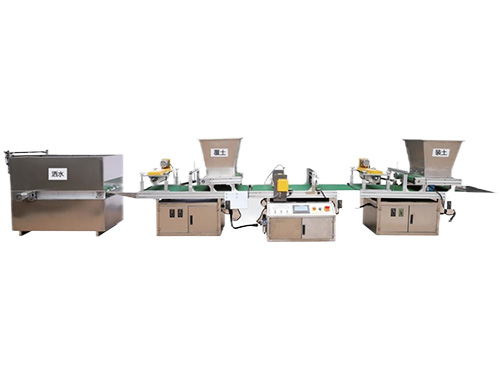
It adopts electrical integration and can be started by pressing the fully automatic button ...
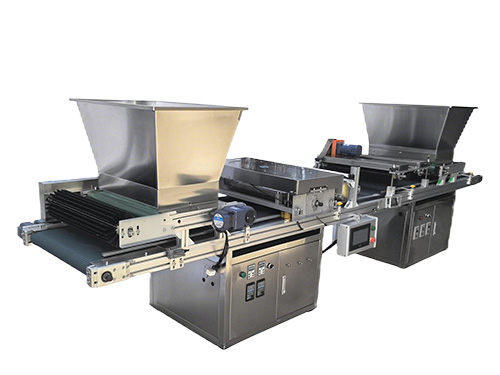
The XP750 seeder has stable performance, excellent product quality, simple and convenient o...
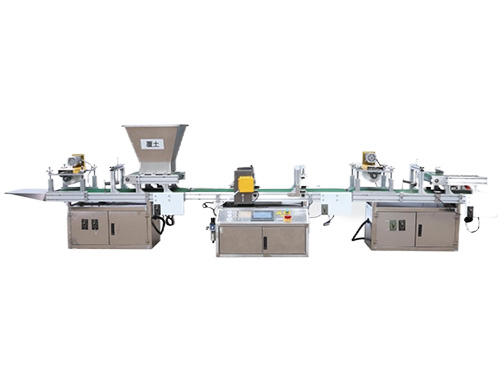
It adopts electrical integration and can be started by pressing the fully automatic button ...