





How to Select High-Quality Agricultural Seed Trays for Planting
2026-04-19 10:19:12
In modern agriculture and greenhouse production, seed trays play a crucial role in ensuring healthy germination and efficient seedling management. Choosing the right agricultural seed trays for planting is not just about convenience—it directly impacts germination rates, root development, transplant success, and overall crop yield. This guide explains how to select high-quality seed trays to improve your nursery production efficiency.
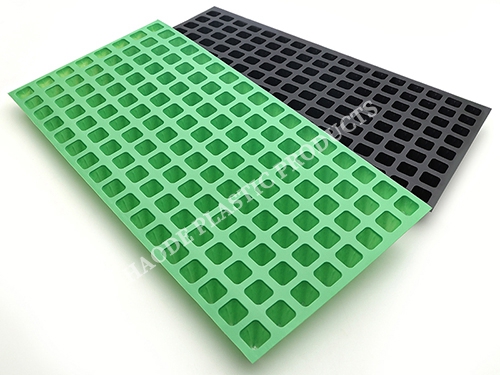
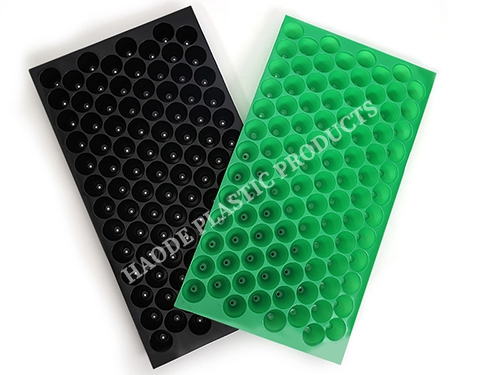
1. Choose the Right Material for Durability and Performance
One of the most important factors when selecting seed trays is the material. Common options include PET, PP, and PS plastic. Among them, PET seed trays are highly valued for their transparency, strength, and recyclability. They allow growers to easily observe root development while maintaining excellent structural stability. High-quality materials ensure the trays do not crack, warp, or degrade after repeated use.
For commercial farming, durability is essential because trays are often reused across multiple planting cycles. A strong, UV-resistant material can significantly extend service life and reduce long-term costs.
2. Consider Cell Design and Size
The structure of the tray cells directly affects seedling growth. Different crops require different cell depths and spacing. For example, deep cells are suitable for crops with longer root systems, while shallow cells work better for fast-growing vegetables.
High-quality seed trays typically feature:
·Uniform cell size for consistent growth
·Smooth inner walls to prevent root damage
·Proper spacing to avoid root entanglement
·Optimized depth for healthy root expansion
Choosing the right design helps ensure uniform seedlings and improves transplant survival rates.
3. Ensure Proper Drainage System
Good drainage is essential for preventing overwatering and root rot. High-quality agricultural seed trays are designed with evenly distributed drainage holes at the bottom of each cell. These holes allow excess water to escape while maintaining adequate moisture for germination.
Poor drainage can lead to weak seedlings, fungal diseases, and inconsistent growth. Therefore, always check whether the tray has a well-designed drainage system before purchasing.
4. Evaluate Tray Strength and Load Capacity
Seed trays must withstand handling, stacking, and transportation. Low-quality trays often bend or crack under pressure, causing damage to seedlings. High-quality trays are reinforced to maintain shape even when filled with soil or growing medium.
For large-scale greenhouse operations, stackable designs are especially important. They help save storage space and improve logistics efficiency.
5. Check Reusability and Cost Efficiency
While low-cost trays may seem attractive initially, they often break easily and require frequent replacement. High-quality agricultural seed trays are designed for multiple cycles of use, offering better long-term value.
Reusable trays not only reduce material waste but also lower overall production costs. For commercial growers, investing in durable trays significantly improves ROI over time.
6. Consider Transparency and Root Monitoring (Optional Feature)
Transparent or semi-transparent trays—especially PET seed trays—allow growers to monitor root growth without disturbing the plant. This feature helps determine the optimal transplant time and improves overall seedling management accuracy.
Although not essential for every crop, transparency is highly beneficial for research, greenhouse production, and high-value crops.
7. Compatibility with Automation Systems
Modern agriculture is increasingly moving toward automation. High-quality seed trays should be compatible with automatic seeding, transplanting, and irrigation systems. Standardized dimensions and consistent cell alignment are key factors for machine compatibility.
This ensures smoother integration into large-scale production lines and reduces labor costs.
8. Choose a Reliable Manufacturer
Finally, the quality of seed trays depends heavily on the manufacturer. A professional supplier should offer:
·Consistent product quality
·Customizable tray designs
·Stable material composition
·Bulk production capability
·Quality testing and certification
Working with a reliable manufacturer ensures long-term stability in your agricultural operations.
Conclusion
Selecting high-quality agricultural seed trays is a critical step in successful seedling production. By focusing on material quality, cell design, drainage performance, durability, and supplier reliability, growers can significantly improve germination rates and transplant success. In modern agriculture, investing in the right seed trays is not just a purchase—it is a long-term strategy for higher productivity and better crop performance.
References
GB/T 7714:Plant Propagation: Principles and Practices (8th ed.). Prentice Hall.
MLA:Survival and growth of tree seedlings with root plug container systems. New Forests
APA:Seedling morphological evaluation—what you can tell by looking. USDA Forest Service General Technical Report.

The CNC Seed Braiding Machine is a high-precision, fully automated agricultural equipment s...
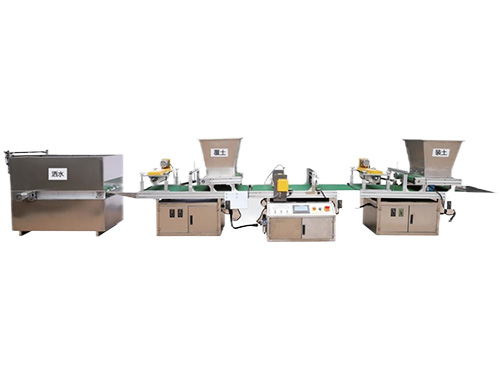
It adopts electrical integration and can be started by pressing the fully automatic button ...
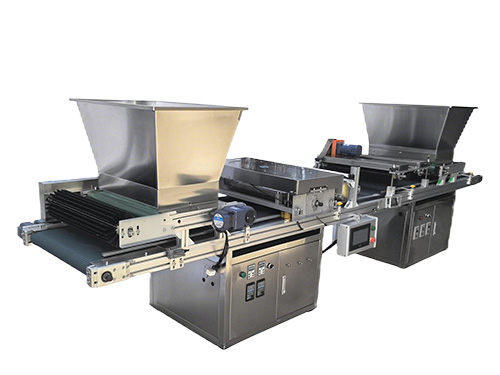
The XP750 seeder has stable performance, excellent product quality, simple and convenient o...
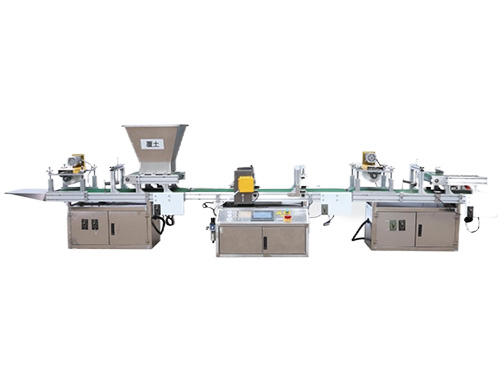
It adopts electrical integration and can be started by pressing the fully automatic button ...