





How to Calibrate Your Seeder for Uniform Spacing
2026-01-05 18:19:38
A seeder is a critical precision tool in modern crop production, directly influencing plant density, root competition, and overall yield consistency. Even small deviations in seed spacing can lead to uneven emergence, inefficient nutrient use, and reduced harvesting efficiency. For professional growers and large-scale operations, proper seeder calibration is not optional—it is a fundamental process that supports predictable and repeatable results.
From a manufacturer and production perspective, a seeder is engineered to deliver consistent output across long operating cycles and bulk usage scenarios. This article provides a structured, technical guide on how to calibrate a seeder for uniform spacing, ensuring reliable performance in both field and controlled-environment agriculture.
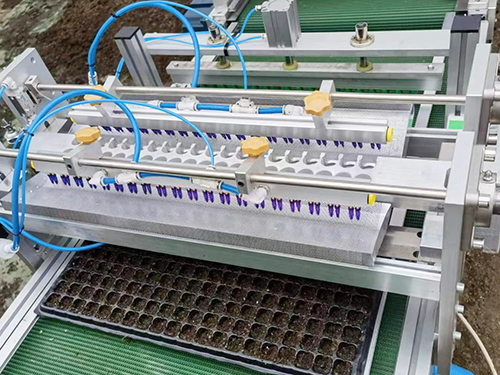
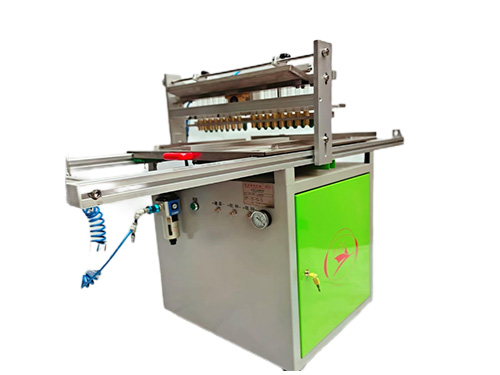
Why Uniform Spacing Matters in Seeding Operations
Uniform spacing ensures that each plant has equal access to light, water, and nutrients. When spacing is inconsistent, crops compete unevenly, leading to variable growth rates and reduced overall efficiency.
Properly calibrated seeder systems help to:
·Improve germination uniformity
·Reduce overcrowding and gaps
·Enhance crop management predictability
·Support downstream mechanized operations
In large-scale production, spacing accuracy becomes even more critical, as small errors multiply across thousands of planting rows.
Understanding the Key Components of a Seeder
Before calibration begins, it is essential to understand how a seeder controls seed placement. While designs vary, most seeders share common functional elements:
·Seed hopper or reservoir
·Metering mechanism
·Drive system (mechanical or powered)
·Seed delivery path
Each component contributes to spacing accuracy. Calibration focuses on aligning these elements so that the seeder releases seeds at consistent intervals under real operating conditions.
Step 1: Verify Seed Characteristics
Seed size, shape, and surface texture directly affect how seeds move through a seeder. Calibration should always begin with the specific seed lot intended for planting.
Key checks include:
·Average seed diameter
·Uniformity of seed grading
·Flow behavior within the hopper
Using ungraded or mixed-size seeds can compromise spacing accuracy, regardless of seeder quality.
Step 2: Adjust the Seed Metering System
The metering system determines how many seeds are released per unit of distance. Incorrect settings are one of the most common causes of uneven spacing.
Calibration adjustments typically involve:
·Selecting the appropriate metering plate or setting
·Aligning metering openings with seed size
·Ensuring smooth, obstruction-free rotation
From a production standpoint, seeder designs intended for bulk supply are engineered to allow repeatable and precise metering adjustments across multiple units.
Step 3: Set Operating Speed and Drive Ratio
Seeder spacing is directly affected by operating speed. If ground speed increases without corresponding adjustment, seed spacing becomes inconsistent.
Best practices include:
·Establishing a stable operating speed
·Matching drive ratios to target spacing
·Avoiding sudden speed changes during operation
Consistent speed is essential for maintaining spacing accuracy, especially in large planting areas.
Step 4: Perform a Controlled Calibration Test
Calibration should never rely solely on theoretical settings. A controlled test allows real-world verification of spacing accuracy.
Common test methods involve:
·Running the seeder over a measured distance
·Collecting and counting released seeds
·Comparing actual spacing with target values
This step identifies deviations early and prevents large-scale planting errors.
Step 5: Inspect Seed Delivery Path and Placement
Even with correct metering, spacing can be disrupted if seeds bounce, roll, or deflect during delivery.
Inspection points include:
·Smoothness of delivery tubes
·Alignment of seed outlets
·Consistent seed-to-soil contact
In high-precision seeding systems, controlled placement is just as important as accurate metering.
Maintenance Factors Affecting Calibration
Over time, wear and contamination can alter seeder performance. Calibration should be supported by routine maintenance.
Key maintenance actions include:
·Cleaning metering components
·Inspecting moving parts for wear
·Replacing damaged or deformed components
From a manufacturer perspective, production-grade seeders are designed to maintain calibration stability over extended service intervals.
Calibration Consistency in Large-Scale Operations
In commercial agriculture, multiple seeders may operate simultaneously. Consistent calibration across all units is essential to maintain uniform results.
Production-oriented seeder systems emphasize:
·Standardized adjustment mechanisms
·Clear calibration reference points
·Repeatable performance across bulk equipment supply
This approach ensures that spacing accuracy is maintained across entire planting programs.
Conclusion: Seeder Calibration as a Precision Process
A seeder calibrated for uniform spacing supports healthy crop establishment, efficient resource use, and predictable production outcomes. Calibration is not a one-time task, but a repeatable process that aligns mechanical design, seed characteristics, and operating conditions.
From a manufacturer and bulk production perspective, a well-calibrated seeder reflects engineering precision and operational reliability. When calibration procedures are applied consistently, the seeder becomes a dependable tool for large-scale, high-efficiency planting systems.
References
GB/T 7714:Kachman S D, Smith J A. Alternative measures of accuracy in plant spacing for planters using single seed metering[J]. Transactions of the ASAE, 1995, 38(2): 379-387.
MLA:Kachman, S. D., and J. A. Smith. "Alternative measures of accuracy in plant spacing for planters using single seed metering." Transactions of the ASAE 38.2 (1995): 379-387.
APA:Kachman, S. D., & Smith, J. A. (1995). Alternative measures of accuracy in plant spacing for planters using single seed metering. Transactions of the ASAE, 38(2), 379-387.

The CNC Seed Braiding Machine is a high-precision, fully automated agricultural equipment s...
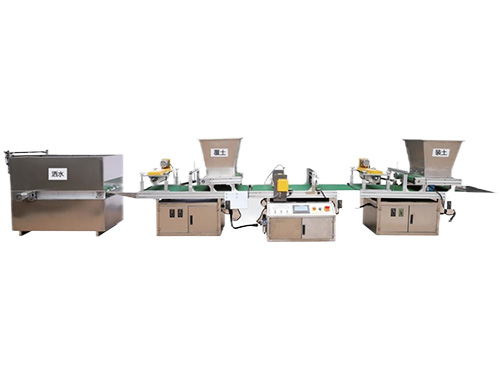
It adopts electrical integration and can be started by pressing the fully automatic button ...
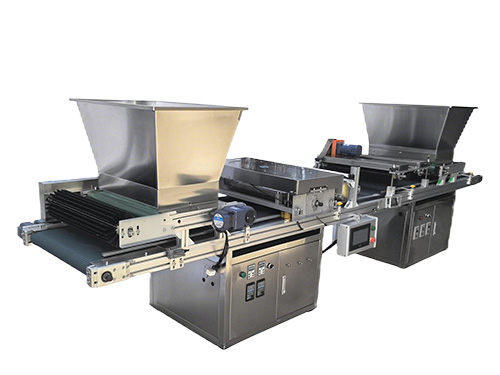
The XP750 seeder has stable performance, excellent product quality, simple and convenient o...
It adopts electrical integration and can be started by pressing the fully automatic button ...