





Greenhouse Drainage Mat Solutions for Commercial Growers
2026-01-22 17:20:56
Efficient water management is one of the most important factors in successful greenhouse production. Excess moisture can cause root diseases, algae growth, unstable walkways, and reduced crop performance. That is why the greenhouse drainage mat has become a core infrastructure solution for modern commercial growing environments.
For large-scale operations, choosing a professional greenhouse drainage mat Manufacturer with stable Production and Factory-level supply capacity ensures not only material performance but also consistent delivery for continuous expansion projects. A reliable drainage mat system supports healthier crops, cleaner workspaces, and higher operational efficiency.
This article explains how greenhouse drainage mat systems work, their structural design, production process, and why factory-based manufacturing is essential for commercial growers seeking long-term reliability.
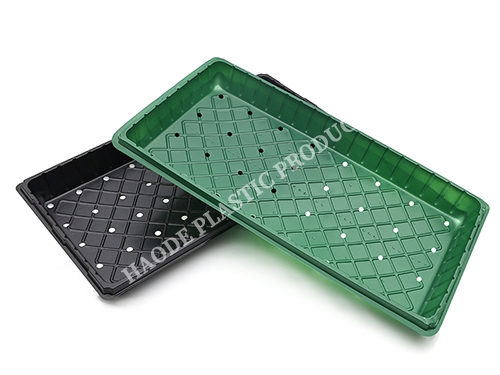
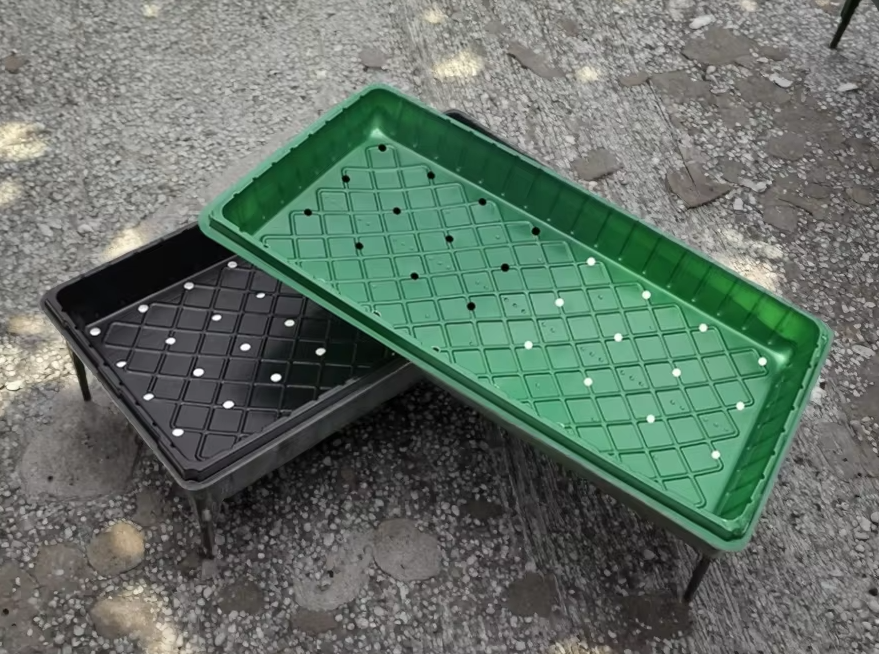
What Is a Greenhouse Drainage Mat?
A greenhouse drainage mat is a structured polymer layer installed beneath greenhouse floors, benches, pots, or growing beds to manage excess water and improve airflow. Its primary function is to separate moisture from root zones and walking surfaces while maintaining structural stability.
Instead of allowing water to pool under plants or equipment, the drainage mat creates channels that guide water away from sensitive areas. This prevents oversaturation, improves hygiene, and protects greenhouse infrastructure.
Typical benefits include:
·Continuous water flow control
·Root zone aeration
·Clean working surfaces
·Reduced algae and mold buildup
·Improved long-term greenhouse stability
Because of these advantages, greenhouse drainage mat systems are now widely used in commercial horticulture, nurseries, hydroponic operations, and plant propagation facilities.
Structural Design and Working Principles
The performance of a greenhouse drainage mat depends on its internal geometry and polymer composition. Factory-engineered structures are designed to carry load while allowing water and air to circulate freely.
Key design features include:
·Raised channel patterns that guide water flow
·High-strength polymer frameworks for pressure resistance
·Ventilation gaps to improve oxygen circulation
·Anti-compression structures to maintain shape over time
When irrigation or condensation occurs, water moves downward into the drainage channels instead of remaining on the surface. Gravity and capillary action transport moisture to collection points, preventing root rot and surface contamination.
From a Production and Factory manufacturing perspective, mold precision and material formulation ensure each greenhouse drainage mat performs consistently across large greenhouse zones.
Advantages of Greenhouse Drainage Mat Systems
Using a greenhouse drainage mat offers both technical and operational benefits for commercial growers.
1. Improved Crop Health
By preventing water stagnation, drainage mats reduce fungal diseases and root stress, creating a healthier growing environment.
2. Cleaner Greenhouse Operations
Standing water encourages algae and bacteria. A greenhouse drainage mat keeps floors dry and hygienic, improving safety and appearance.
3. Load-Bearing Stability
Modern polymer structures support pots, benches, carts, and workers without collapsing or deforming under pressure.
4. Faster Installation
Compared with gravel layers, drainage mats are lightweight and modular, allowing rapid installation across large production areas.
5. Factory-Controlled Consistency
A professional greenhouse drainage mat Factory with integrated Production systems maintains dimensional accuracy and batch consistency for large-volume supply.
These benefits make greenhouse drainage mat solutions ideal for scalable commercial agriculture projects.
Manufacturing and Production Process
Reliable greenhouse drainage mat performance starts at the manufacturing stage. A professional greenhouse drainage mat Manufacturer focuses on precision tooling, polymer science, and inspection control.
Typical production workflow includes:
1.Raw material selection – high-grade polymer resins
2.Extrusion or molding – forming structured channel geometry
3.Cooling and shaping – stabilizing dimensions
4.Surface finishing – improving durability and friction
5.Cutting and sizing – adapting to greenhouse layouts
6.Inspection and testing – verifying load and drainage performance
Large-scale Factory Production systems enable continuous output and consistent quality, helping commercial growers maintain reliable expansion schedules without supply interruptions.
Automation also improves tolerance control, ensuring every greenhouse drainage mat performs the same across thousands of square meters.
Applications in Commercial Greenhouses
Greenhouse drainage mat solutions serve many functional zones inside professional facilities.
Common application areas include:
·Greenhouse walkways
·Plant bench underlayers
·Hydroponic bed support
·Nursery container floors
·Propagation rooms
·Packing and staging areas
In each area, the greenhouse drainage mat improves water management while maintaining surface stability. Commercial growers benefit from reduced maintenance, safer working environments, and more predictable crop performance.
With Manufacturer-level Production support, large facilities can scale installations efficiently without compromising quality.
Quality Control and Performance Testing
Quality assurance is essential for greenhouse drainage mat systems exposed to moisture, load, and repeated use. A reliable Factory focuses on comprehensive inspection before delivery.
Important testing elements include:
·Compression resistance
·Drainage capacity verification
·Dimensional stability checks
·Material aging simulation
·Surface integrity inspection
Factory testing ensures greenhouse drainage mat systems withstand irrigation cycles, mechanical stress, and long-term environmental exposure without losing performance.
Consistent Production standards reduce replacement frequency and protect greenhouse investments.
How Commercial Growers Choose the Right Supplier
Choosing a greenhouse drainage mat supplier goes beyond unit price. Production capability and Factory infrastructure determine project success.
Key evaluation factors include:
·Manufacturer-owned production facilities
·Stable batch output
·Technical application support
·Quality inspection systems
·Large-volume supply capability
A supplier with integrated Manufacturer Production and Factory manufacturing strength ensures predictable lead times, uniform quality, and scalable solutions for expanding greenhouse operations.
For commercial growers, long-term partnerships matter more than short-term cost savings.
Conclusion: Building Efficient Greenhouses with Drainage Mat Systems
The greenhouse drainage mat plays a critical role in modern commercial growing environments. By controlling moisture, improving hygiene, and supporting structural stability, it directly enhances productivity and operational safety.
Backed by professional Manufacturer Production and Factory supply capability, greenhouse drainage mat systems provide consistent performance, scalable output, and long-term reliability for commercial growers.
For greenhouses seeking efficiency, crop protection, and sustainable infrastructure, investing in high-quality greenhouse drainage mat solutions is a strategic decision that delivers value throughout the entire production lifecycle.
References
GB/T 7714:Koerner R M. Designing with geosynthetics-Vol. 1[M]. Xlibris Corporation, 2012.
MLA:Koerner, Robert M. Designing with geosynthetics-Vol. 1. Vol. 1. Xlibris Corporation, 2012.
APA:Koerner, R. M. (2012). Designing with geosynthetics-Vol. 1 (Vol. 1). Xlibris Corporation.

The CNC Seed Braiding Machine is a high-precision, fully automated agricultural equipment s...
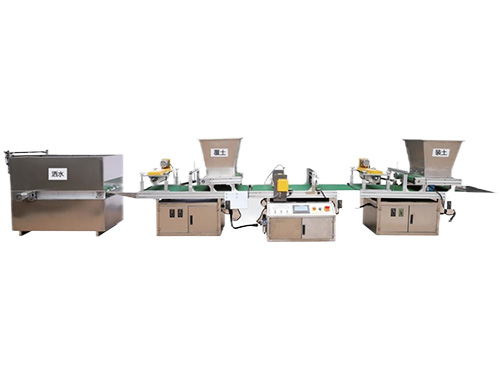
It adopts electrical integration and can be started by pressing the fully automatic button ...
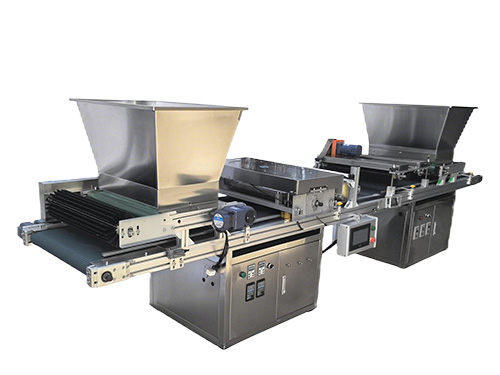
The XP750 seeder has stable performance, excellent product quality, simple and convenient o...
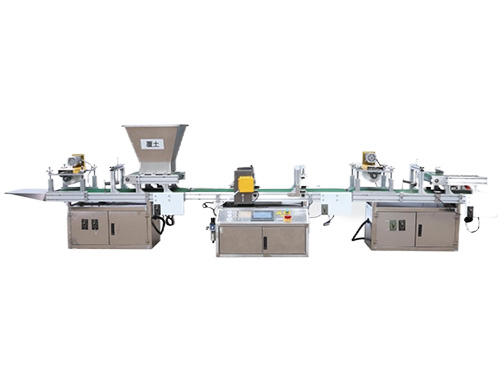
It adopts electrical integration and can be started by pressing the fully automatic button ...