





Step-by-Step Guide: Setting Up Plastic Seed Trays for Seedlings
2026-02-26 21:46:39
Plastic seed trays play a vital role in modern seed starting, whether for home gardeners, greenhouse operations, or commercial planting projects. High-quality plastic seed trays offer durability, uniform growth conditions, and easy management for seedlings.
As a professional plastic seed trays manufacturer with factory-level production and bulk supply capability, understanding how to properly use trays ensures better germination rates and healthier plants. In this guide, you’ll learn exactly how to set up plastic seed trays for seedlings step by step while maximizing efficiency and plant success.
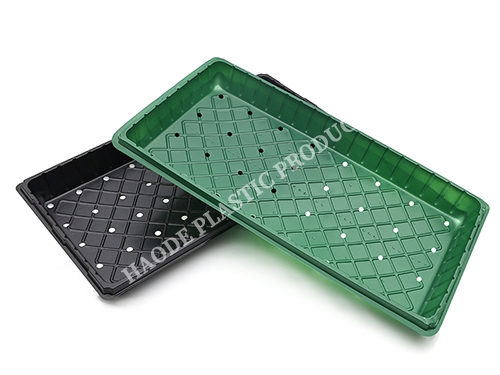
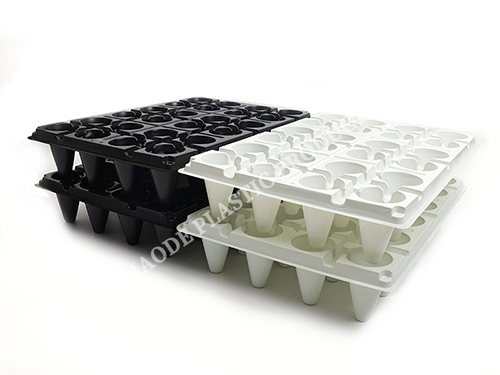
Why Choose Plastic Seed Trays?
Before setup, it’s important to understand why plastic seed trays are preferred in professional and commercial planting.
Key Benefits of Plastic Seed Trays
·Lightweight yet strong construction
·Reusable for multiple seasons
·Uniform cell size for consistent growth
·Easy drainage control
·Suitable for large-scale production
·Cost-effective for bulk factory supply
Modern plastic seed tray production focuses on precision molding, durability, and scalability. This allows growers and distributors to handle thousands of seedlings efficiently with minimal waste.
Step 1: Select the Right Plastic Seed Tray
Not all trays are the same. Choosing the correct type improves germination and root health.
What to Look For
·Cell size based on plant type
·Proper drainage holes
·Sturdy plastic material
·Stackable design for transport
·Compatibility with greenhouse systems
Professional seedling trays factory manufacturing usually provides multiple specifications, making it easy to match trays with herbs, vegetables, flowers, or commercial crops.
Step 2: Clean and Sanitize the Trays
Even new plastic seed trays benefit from cleaning before use.
Cleaning Process
·Rinse with warm water
·Use mild soap if reused
·Remove soil residue
·Allow to air dry
Sanitation prevents disease and fungal issues that often affect young seedlings. In commercial production environments, clean trays help maintain consistency and reduce losses.
Step 3: Prepare the Growing Medium
Using the right soil mix is just as important as the tray itself.
Best Soil for Plastic Seed Trays
·Lightweight seed starting mix
·Moist but not soaked
·Good aeration
·Free from large debris
Avoid heavy garden soil, which restricts drainage. Professional growers using bulk plastic seed trays rely on balanced media for faster root development.
Step 4: Fill the Plastic Seed Trays Properly
Correct filling ensures roots can grow freely.
How to Fill
·Add soil loosely into each cell
·Tap tray gently to settle
·Do not compress tightly
·Level the surface
Over-packed soil restricts oxygen flow, while loose soil improves germination in high-volume factory production environments.
Step 5: Plant Seeds Correctly
Seed placement affects growth success.
Planting Tips
·Follow seed depth instructions
·Usually 1–2 seeds per cell
·Cover lightly with soil
·Label each variety
Using plastic seed trays helps maintain organized planting, especially when managing hundreds or thousands of seedlings in manufacturer-level supply operations.
Step 6: Water Evenly
Watering is critical in early stages.
Best Watering Method
·Use a spray bottle or mist system
·Avoid strong water flow
·Keep soil moist, not flooded
·Bottom watering for uniform absorption
Professional plastic seed tray production users often adopt controlled irrigation systems to prevent root rot and uneven moisture distribution.
Step 7: Provide Light and Temperature Control
Seedlings require stable conditions.
Ideal Environment
·Bright indirect sunlight
·Grow lights for indoor use
·Temperature between 18–25°C
·Good air circulation
Plastic seed trays work well in greenhouses and indoor systems where temperature and light consistency boost productivity for large-scale growers and factory batch planting.
Step 8: Monitor Growth and Thin Seedlings
As seedlings emerge, they need space.
Maintenance Tips
·Remove weak sprouts
·Leave strongest plant
·Check moisture daily
·Rotate trays for even light
Using uniform plastic seed trays from factory production ensures equal spacing, making thinning and transplanting more efficient.
Step 9: Prepare for Transplanting
Once roots fill the cells, seedlings are ready.
Signs of Readiness
·Strong stems
·Healthy leaves
·Roots visible at bottom
·No overcrowding
High-quality plastic seed trays allow easy removal without damaging roots, improving transplant survival rates in commercial and home gardens alike.
Why Factory-Produced Plastic Seed Trays Matter
Professional growers prefer sourcing from a reliable plastic seed trays manufacturer because factory production ensures:
·Stable quality
·Precise mold structure
·High load capacity
·Bulk supply availability
·Consistent sizing
With modern plastic seed tray production systems, suppliers can meet agricultural, greenhouse, and export demands while keeping costs controlled.
Applications of Plastic Seed Trays
Plastic seed trays are widely used for:
·Vegetable nurseries
·Flower propagation
·Greenhouse farming
·Commercial agriculture
·Urban gardening
·Export seedling programs
Their adaptability makes them essential tools for both small growers and large-scale factory planting operations.
Final Thoughts on Plastic Seed Trays
Using plastic seed trays correctly transforms seed starting into an efficient, organized, and scalable process. From preparation to transplanting, each step improves plant health and productivity.
With professional manufacturer-level production, reliable factory bulk supply, and durable design, plastic seed trays remain a top solution for modern seedling cultivation. Whether for home gardening or industrial planting, choosing quality trays and proper setup methods ensures better growth, higher survival rates, and long-term planting success.
If you're building a nursery system, greenhouse project, or commercial planting program, investing in well-produced plastic seed trays from a trusted production factory is a smart and sustainable choice.
References
GB/T 7714:Gallegos-Cedillo V M, Nájera C, Gruda N S, et al. An in-depth analysis of sustainable practices in vegetable seedlings nurseries: A review[J]. Scientia Horticulturae, 2024, 334: 113342.
MLA:Gallegos-Cedillo, Victor M., et al. "An in-depth analysis of sustainable practices in vegetable seedlings nurseries: A review." Scientia Horticulturae 334 (2024): 113342.
APA:Gallegos-Cedillo, V. M., Nájera, C., Gruda, N. S., Signore, A., Gallegos, J., Rodríguez, R., ... & Fernandez, J. A. (2024). An in-depth analysis of sustainable practices in vegetable seedlings nurseries: A review. Scientia Horticulturae, 334, 113342.

The CNC Seed Braiding Machine is a high-precision, fully automated agricultural equipment s...
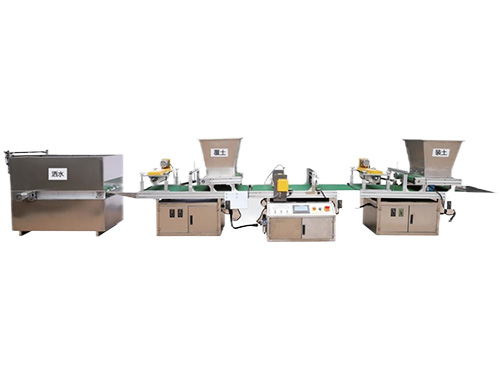
It adopts electrical integration and can be started by pressing the fully automatic button ...
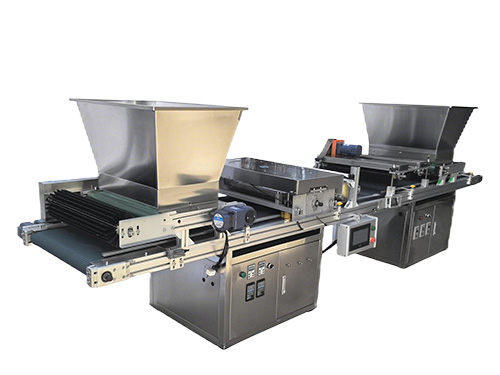
The XP750 seeder has stable performance, excellent product quality, simple and convenient o...
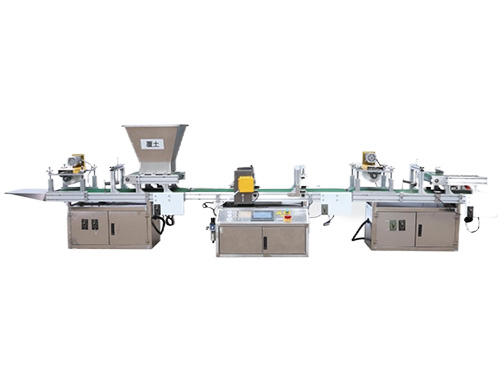
It adopts electrical integration and can be started by pressing the fully automatic button ...