





Root Control Container: Prevent Root Binding & Promote Healthy Plant Growth
2026-03-19 22:42:41
Every gardener—whether nurturing seedlings, growing vegetables, or cultivating trees—knows that healthy roots equal healthy plants. Yet one common issue plagues even the most experienced growers: root binding. When plant roots wrap tightly around the inside of a regular pot, they suffocate, stunt growth, and reduce plant survival rates. The solution? A root control container—engineered to prevent root binding, encourage strong, fibrous root systems, and unlock your plants’ full growth potential. Perfect for home gardeners, professional nurseries, and anyone looking to grow healthier, more resilient plants.
What Is Root Binding, and Why Does It Harm Your Plants?
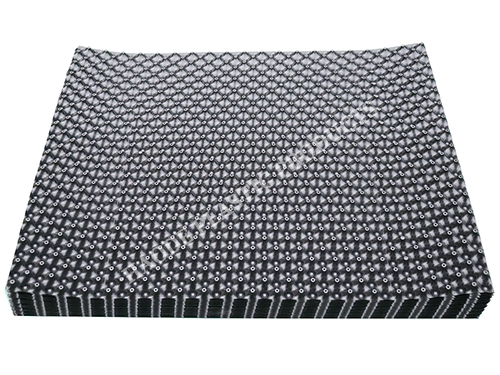
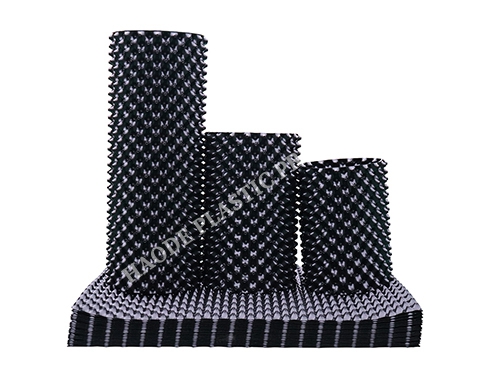
Root binding (also called root circling) happens when plants are grown in traditional pots or containers with smooth inner walls. As roots grow, they hit the container’s edge and have nowhere to go—so they wrap around themselves, forming a tight, tangled mass. Over time, this creates three major problems:
·Suffocated Roots: Tangled roots can’t absorb water, nutrients, or oxygen efficiently, leaving plants weak and prone to stress.
·Stunted Growth: Root binding limits root expansion, which directly restricts above-ground growth—resulting in smaller plants, fewer flowers, and lower yields (for vegetables and herbs).
·Poor Transplant Success: When bound roots are transplanted, they struggle to spread into new soil, increasing the risk of plant death or slow recovery.
Regular pots offer no solution to root binding—they only accelerate the problem. A root control container, however, is designed specifically to stop this cycle, creating the ideal environment for root health.
How a Root Control Container Prevents Root Binding & Promotes Growth
Root control containers differ from traditional pots in their innovative design—every feature works together to guide root growth, prevent circling, and encourage a strong, balanced root system. Here’s how they work:
1. Air Pruning Technology (The Key to Root Control)
The most critical feature of a high-quality root control container is air pruning. Unlike traditional pots with solid bottoms and smooth sides, root control containers have specially designed vents, slits, or a porous structure. When roots reach the container’s edge, they come into contact with air—triggering a natural process called “air pruning.” This process stops the root from growing further, encouraging it to branch out and form new, feeder roots instead of wrapping around the container.
2. Directed Root Growth for Stronger Systems
Root control containers are engineered to guide roots downward and outward, rather than circling. Some models have tapered walls or internal ridges that redirect root growth, preventing tangling. The result? A dense, fibrous root system that can efficiently absorb water and nutrients, supporting healthier, faster plant growth.
3. Improved Drainage & Aeration
Most root control containers feature enhanced drainage holes (paired with air pruning vents) that prevent overwatering and improve soil aeration. Proper drainage keeps roots moist but not waterlogged, while increased aeration ensures roots get the oxygen they need to thrive—further reducing the risk of root rot and stress.
Key Benefits of Using a Root Control Container
Beyond preventing root binding, root control containers offer a host of benefits that make them a game-changer for any gardening project:
·Healthier, More Resilient Plants: Air-pruned roots form a dense, efficient system that supports vigorous above-ground growth—plants are stronger, greener, and more resistant to pests and diseases.
·Higher Transplant Success: When plants are removed from a root control container, their roots are untangled and ready to spread into new soil. Transplant shock is minimized, and survival rates skyrocket—perfect for seedlings, trees, and shrubs.
·Versatility for All Plants: Root control containers work for nearly every plant type: seedlings, vegetables, herbs, flowers, shrubs, and even small trees. They’re available in a range of sizes to fit any growing stage.
·Long-Lasting Durability: Crafted from high-grade, weather-resistant materials (like thick PET plastic or UV-stabilized polypropylene), root control containers are reusable season after season—saving you money and reducing waste.
·Suitable for Indoor & Outdoor Use: Their durable, weather-resistant design works indoors (windowsills, grow rooms) and outdoors (gardens, greenhouses, nurseries). They won’t fade, crack, or degrade in direct sunlight or cool temperatures.
·Low Maintenance: Root control containers are easy to clean, stackable for storage, and require no special care—simply plant, water, and watch your plants thrive.
Who Should Use a Root Control Container?
Root control containers are a must-have for any gardener looking to grow healthier plants—regardless of experience level or project size:
·Home Gardeners: Perfect for growing vegetables, herbs, flowers, and small shrubs. Prevent root binding in patio pots or raised beds, and enjoy bigger harvests and more vibrant blooms.
·Seedling Growers: Give seedlings a strong start with root control containers—air-pruned roots ensure they transplant successfully to larger pots or the garden, reducing seedling loss.
·Professional Nurseries: Boost plant quality and transplant success for trees, shrubs, and ornamental plants. Bulk root control containers are cost-effective and help nurseries deliver healthier, more desirable plants to customers.
·Organic Growers: Choose non-toxic, food-grade root control containers (made from PET plastic) to ensure no harmful chemicals leach into soil or edible plants.
·Tree & Shrub Growers: Prevent root girdling (a fatal issue for trees) and encourage deep, stable root systems that support long-term tree health.
How to Use a Root Control Container for Optimal Results
Using a root control container is simple—follow these tips to maximize root health and plant growth:
·Choose the Right Size: Match the container size to your plant’s stage. Use small containers for seedlings, medium for vegetables/herbs, and large for shrubs/trees. Avoid overpotting (too large a container can lead to overwatering).
·Use Well-Draining Soil: Pair your root control container with a lightweight, well-draining seed starting or potting mix. This complements the container’s drainage features and prevents root rot.
·Plant Correctly: Place seeds or seedlings at the appropriate depth (follow seed packet or plant care instructions). Ensure roots are spread evenly—avoid crowding.
·Water Wisely: Water thoroughly after planting, then allow the soil to dry slightly between waterings. The container’s drainage and aeration will help prevent overwatering, but check soil moisture regularly.
·Transplant Promptly: For seedlings, transplant when they have 2-3 true leaves (or when roots start to emerge from the container’s vents). For larger plants, transplant when they’ve outgrown the container—this ensures roots stay healthy and untangled.
·Clean & Reuse: After transplanting, rinse the container with warm water and mild soap, air dry, and stack for storage. High-quality root control containers can be reused for 5+ growing seasons.
Why Our Root Control Containers Stand Out
Not all root control containers are created equal—our options are engineered to deliver the best results for gardeners of all levels:
·Premium Air Pruning Design: Precision vents and ridges ensure effective root pruning, preventing binding and encouraging fibrous root growth.
·Durable, Non-Toxic Materials: Made from high-grade, food-safe PET plastic—UV-stabilized, weather-resistant, and free of BPA/phthalates (safe for edible plants).
·Versatile Sizes: Available in sizes for seedlings, vegetables, shrubs, and trees—one container line for all your gardening needs.
·Reusable & Eco-Friendly: Reduce plastic waste by reusing season after season—our containers are built to last, saving you money long-term.
·Gardener-Focused Features: Stackable, easy to clean, and designed for optimal drainage—making gardening simpler and more successful.
Grow Healthier Plants with a Root Control Container Today
Root binding doesn’t have to limit your plants’ potential. A root control container is the simple, effective solution to prevent tangled roots, promote strong growth, and boost transplant success—whether you’re growing seedlings, vegetables, or trees. Invest in a root control container, and watch your plants thrive with healthier roots, greener foliage, and bigger harvests. Say goodbye to stunted growth and transplant stress—hello to a more successful garden.
References
GB/T 7714:Effects of Air Pruning Root Control Containers on Root Architecture and Plant Growth of Seedlings. Horticultural Science & Technology
MLA:Root Binding Prevention: Comparative Study of Root Control Containers vs. Traditional Pots. Journal of Horticultural Research
APA:Impact of Root Control Container Design on Transplant Success and Plant Resilience. Sustainability

The CNC Seed Braiding Machine is a high-precision, fully automated agricultural equipment s...
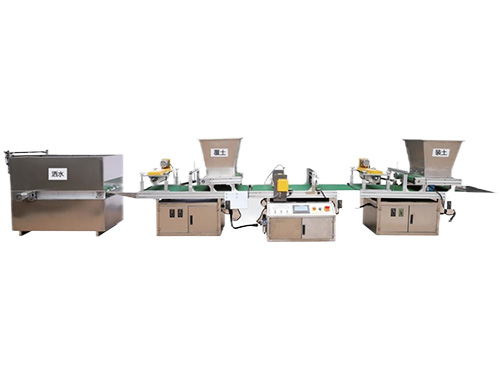
It adopts electrical integration and can be started by pressing the fully automatic button ...
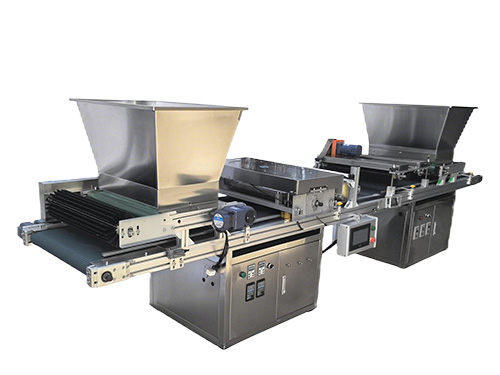
The XP750 seeder has stable performance, excellent product quality, simple and convenient o...
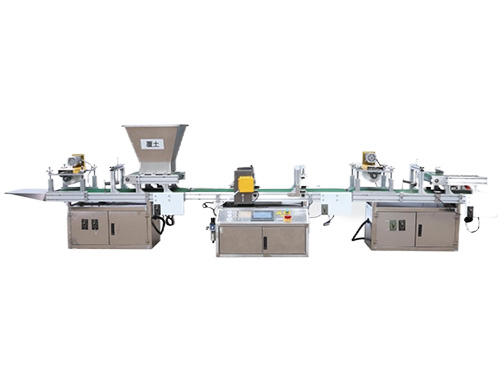
It adopts electrical integration and can be started by pressing the fully automatic button ...