





Floating Seedling Trays (Floating Discs) for Hydroponic and Rice Seedling Production
2026-09-28 15:28:32
In water-based seedling production, the tray itself becomes part of the growing system. Floating seedling trays — also called floating discs — sit directly on the surface of a water bed, letting seedlings draw moisture and nutrients from below while keeping the growing medium stable above. This simple concept has transformed rice seedling production and hydroponic propagation around the world.
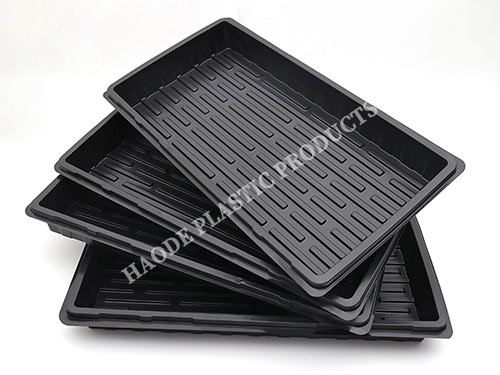
By floating the tray, growers achieve remarkably uniform moisture, eliminate hand-watering labor and support high-density seedling production at scale. Understanding how floating trays work is the key to using them effectively.
This guide explains floating seedling tray design, their role in rice and hydroponic production, and how to source the right trays for your operation.
What Are Floating Seedling Trays
Floating seedling trays are buoyant growing containers designed to rest on the surface of water. They feature cells or openings that hold growing medium while allowing water to reach the seedling roots through the base. Because they float, the trays rise and fall with the water level, maintaining constant root-to-water contact.
They are most commonly made from durable, buoyant plastic and are used extensively in rice nurseries, hydroponic greenhouses and aquatic plant propagation.
The Science of Buoyancy and Water Contact
The effectiveness of a floating tray comes down to buoyancy and water contact. The tray must float level, keeping every cell in consistent contact with the water surface. If a tray floats unevenly or sits too low, seedlings receive uneven moisture — undermining the uniformity that floating systems are known for.
Well-designed floating trays balance weight distribution across cells, float at the correct depth and resist tipping, even as seedlings grow and gain mass. This stability is what enables large-scale, low-labor seedling production.
Floating Trays in Rice Seedling Production
Floating seedling trays are a cornerstone of modern rice seedling production, where they support the mat-type seedlings used in mechanical transplanting. Seedlings grow in a uniform mat that holds together during transplanting, allowing fast, consistent machine planting.
By floating on water, rice seedlings receive continuous, even moisture with minimal irrigation labor — a major advantage in the labor-intensive rice production cycle. This method also supports high planting density and predictable seedling quality.
Hydroponic and Greenhouse Applications
Beyond rice, floating trays are widely used in hydroponic and greenhouse systems for leafy greens, herbs and aquatic plants. The floating design provides constant moisture and nutrient delivery through the water, producing rapid, uniform growth. For growers producing microgreens and salad crops, floating trays reduce the need for overhead irrigation and its associated disease risk.
Drainage, Root Development and Uniformity
In floating systems, drainage works in reverse: rather than removing excess water, the tray manages how much water reaches the roots. Openings in the tray base control water contact, ensuring roots get the moisture and oxygen balance they need without becoming waterlogged.
This controlled water contact promotes strong root development and highly uniform seedling growth — the defining advantage of floating tray systems. Uniform seedlings simplify transplanting and improve downstream field performance.
Comparing Floating Trays to Conventional Trays
| Feature | Floating Tray | Conventional Tray |
|---|---|---|
| Water delivery | Continuous, from water bed | Top or bottom irrigation |
| Labor | Very low | Moderate–high |
| Moisture uniformity | Excellent | Variable |
| Best for | Rice, hydroponics, aquatic plants | General nursery plug production |
| Disease pressure | Lower (no overhead wetting) | Depends on method |
Sourcing Floating Trays from the Factory
For commercial rice and hydroponic operations, sourcing floating trays directly from the manufacturer delivers lower cost and better specification control. Confirm buoyancy, cell configuration, material durability and water-contact design, and request samples to test in your specific water-bed system before bulk ordering.
Haode New Material manufactures floating seedling trays (floating discs) and a full range of seedling trays at its factory in Hebei Province, China, supplying rice nurseries and hydroponic growers worldwide.
Frequently Asked Questions
What are floating seedling trays used for?
They are used for water-based seedling production, most commonly rice seedling production and hydroponic propagation of greens, herbs and aquatic plants.
Why do floating trays improve rice production?
They provide continuous, even moisture with minimal labor and support the uniform mat-type seedlings needed for mechanical transplanting.
Do floating trays need drainage holes?
Floating trays manage water contact through base openings rather than traditional drainage, controlling how much water reaches the roots to prevent waterlogging.
Can floating trays be used for hydroponic greens?
Yes. Floating trays are widely used in hydroponic systems for leafy greens, herbs and microgreens, providing constant moisture and reducing overhead irrigation.
Are floating trays reusable?
Yes. Durable plastic floating trays can be cleaned and reused across multiple production cycles.
How do I choose the right floating tray?
Consider buoyancy, cell configuration, material durability and water-contact design, and test samples in your specific water-bed system before bulk purchase.
Conclusion
Floating seedling trays bring water-based efficiency to seedling production, delivering uniform moisture and low labor for rice and hydroponic operations alike. Choosing the right floating tray — with proper buoyancy and water-contact design — is the foundation of a consistent, scalable system.
Explore floating seedling trays and the complete range of seedling solutions at haodeseedtray.com to optimize your water-based production.

The CNC Seed Braiding Machine is a high-precision, fully automated agricultural equipment s...
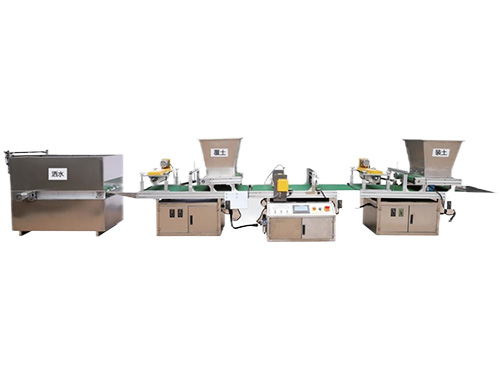
It adopts electrical integration and can be started by pressing the fully automatic button ...
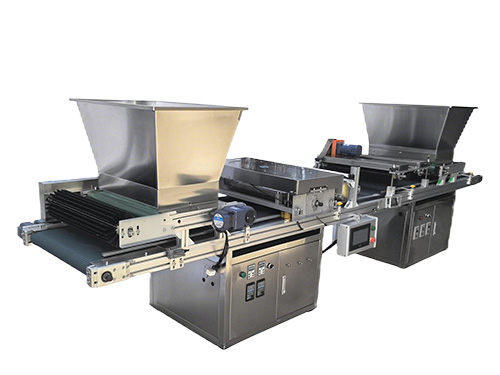
The XP750 seeder has stable performance, excellent product quality, simple and convenient o...
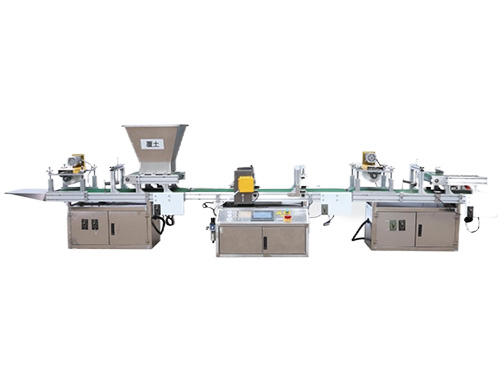
It adopts electrical integration and can be started by pressing the fully automatic button ...