





Choosing the Right Cell Count: 50 vs 72 vs 128 vs 136 Cell Seedling Trays
2026-09-24 15:07:59
Every commercial grower eventually asks the same question: how many cells should my seedling tray have? It sounds like a minor detail, but cell count is the single most consequential choice in plug production. It determines how many seedlings you fit on a bench, how much root volume each plant gets, how often you must water, and ultimately, how your seedlings perform after transplanting.
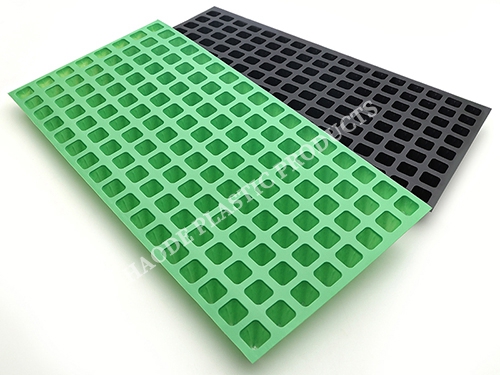
More cells mean more seedlings per tray — but each cell is smaller, holding less medium and supporting a smaller root ball. Fewer cells mean larger, stronger seedlings but fewer of them per square meter. The right answer is a balance between throughput and plant quality, matched to your crop and your transplant timeline.
This guide compares the most common cell counts — 50, 72, 128 and 136 — and shows you how to match each to the right crop.
Why Cell Count Is the Most Important Tray Decision
Cell count directly controls three things: the number of seedlings per tray, the volume of growing medium available to each seedling, and the spacing between plants. These three factors ripple through your entire operation — from how many trays you need, to irrigation scheduling, to the strength of the root plug at transplant time.
Choosing the wrong count is a common and costly mistake. Too-small cells dry out quickly and produce weak, leggy seedlings; too-large cells waste space, medium and money. Getting it right requires understanding the trade-off.
How Cell Count Affects Root Volume and Watering
Cell volume is the fundamental constraint. A 128-cell tray gives each seedling only a fraction of the medium that a 50-cell tray provides. Smaller cells hold less water and dry out faster, demanding more frequent irrigation and tighter environmental control. Larger cells buffer moisture and nutrients better, giving roots room to develop without constant attention.
This is why cell count and watering strategy are inseparable. High-density trays require precise, frequent irrigation — often automated — while low-density trays are more forgiving and better suited to manual or less-intensive operations.
Small Cells: 128 and 136 Count Trays
High-count trays (128–136 cells) maximize space efficiency and are the workhorse of large plug producers. They are ideal for fast-growing, small-seeded crops such as lettuce, herbs, microgreens and many ornamental annuals. These crops reach transplant size quickly and do not need extensive root volume.
The trade-off is management intensity. Small cells dry rapidly, require consistent moisture and fertigation, and have a shorter window before the seedling becomes root-bound. They pair best with automated seeding and irrigation systems.
Medium Cells: 72 Count Trays
The 72-cell tray is the most versatile format for vegetable production. It provides enough root volume for crops like tomato, pepper, cabbage and broccoli to develop strong plugs without wasting bench space. Most commercial vegetable nurseries standardize on 72-cell trays as their default.
Seventy-two cells also represent a good balance for growers who hand-water or use simpler irrigation, because the cells retain moisture longer than high-count trays while still delivering solid throughput.
Large Cells: 50 Count and Below
Low-count trays (50 cells and fewer) are reserved for crops that need substantial root development before transplanting — squash, melons, cucumbers, eggplant and tree seedlings. These plants are sensitive to root disturbance and benefit from a larger, undisturbed root ball.
While large cells reduce the number of plants per tray, they produce stronger, faster-establishing seedlings and reduce transplant shock, which matters most for high-value or slow-to-recover crops.
Matching Cell Count to Crop Type
| Cell Count | Cell Volume | Best Crops | Management Level |
|---|---|---|---|
| 128–136 | Small | Lettuce, herbs, microgreens, annuals | High (automated) |
| 72 | Medium | Tomato, pepper, cabbage, broccoli | Moderate |
| 50 | Large | Squash, melon, cucumber, eggplant | Low–moderate |
| 24–32 | Extra large | Tree seedlings, large ornamentals | Low |
Balancing Throughput and Plant Quality
The final decision should weigh your production targets against plant quality. If you are selling plugs at high volume, high-count trays may be essential for profitability. If you are producing for your own transplanting or for premium markets, larger cells that deliver stronger seedlings may be worth the space.
Many growers run multiple cell counts simultaneously, assigning each crop to the tray size that optimizes its specific requirements. Haode New Material supplies PET and PS seedling trays across the full range of cell counts, letting you standardize your operation without compromise.
Frequently Asked Questions
Which cell count is best for tomatoes?
72-cell trays are the standard choice for tomato production, offering enough root volume for strong plugs while maintaining good bench efficiency.
Do smaller cells need more watering?
Yes. Smaller cells hold less medium and moisture, so they dry out faster and require more frequent, often automated, irrigation.
Can I use 128-cell trays for vegetables?
128-cell trays work for fast-growing crops like lettuce and greens, but slower vegetables such as tomato and pepper do better in larger cells.
What cell count should I use for tree seedlings?
Large cells (24–50 count) are recommended for tree seedlings, which need substantial root volume and benefit from reduced transplant shock.
How does cell count affect transplant timing?
Smaller cells have a shorter window before seedlings become root-bound, so they require more precise transplant timing than larger cells.
Can I run multiple cell counts in one nursery?
Yes. Most professional nurseries use several cell counts, matching each crop to the tray size that optimizes its growth.
Conclusion
Cell count is a strategic decision that shapes your entire seedling operation. By matching tray density to crop requirements and your management capacity, you balance throughput with plant quality and set your seedlings up for strong transplant performance.
Whether you need high-count trays for greens or large cells for tree stock, explore the full range at haodeseedtray.com to find the right fit for your production.

The CNC Seed Braiding Machine is a high-precision, fully automated agricultural equipment s...
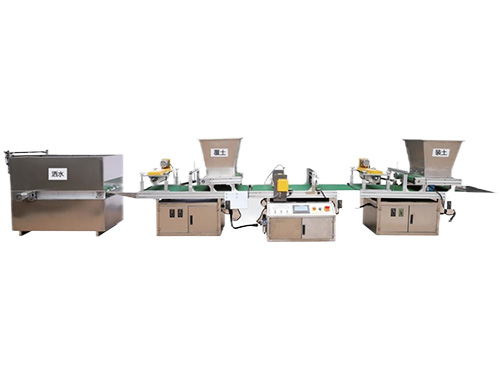
It adopts electrical integration and can be started by pressing the fully automatic button ...
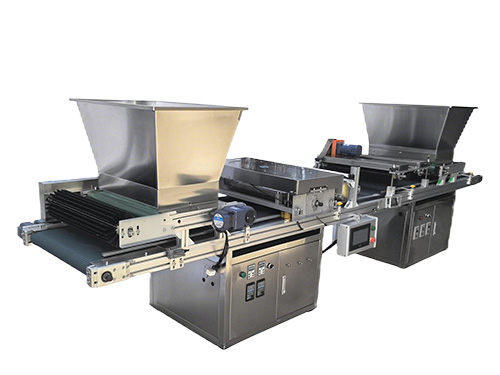
The XP750 seeder has stable performance, excellent product quality, simple and convenient o...
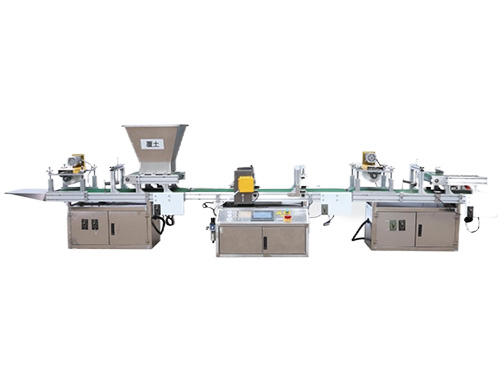
It adopts electrical integration and can be started by pressing the fully automatic button ...